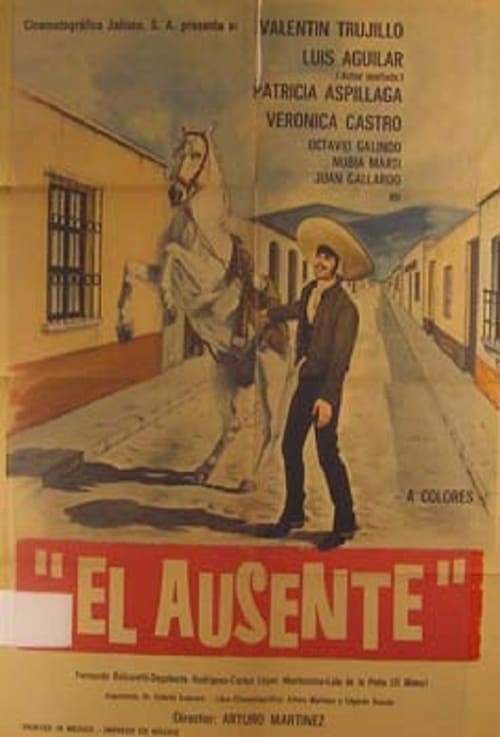
El ausente
1972
No user ratings available yet
Representation score: 1.9 out of 10

Representation Score
Minimal
1965
Director
Edoardo Mulargia, José Antonio de la Loma
Runtime
89 minutes
Average Rating
No ratings yetNew Showbiz Analysis
Why Go On Killing? is a quintessential Spaghetti Western that prioritizes genre conventions over diverse storytelling. The film reinforces mid-century archetypes, focusing on a cycle of individualistic vengeance and masculine-driven conflict. The narrative architecture relies on traditional hierarchies. It lacks representation for underrepresented groups and does not attempt to disrupt established social or gender norms. Ultimately, the film functions as a product of its era, adhering to conservative frontier clichés rather than exploring progressive or diverse perspectives.
Category Breakdown
The film follows a traditional masculine-focused framework. There is no evidence of queer subtext or non-cisgender gender identities within the narrative.
The plot is driven by a male protagonist seeking vengeance. This reinforces conventional masculine roles, with no women occupying positions of physical or intellectual superiority.
The story involves conflict with Mexican landowners, introducing ethnic tension. However, the representation relies on standard genre archetypes rather than actively leading characters of color.
The narrative focuses on individualistic frontier survival and vigilantism. It promotes a traditionalist view of justice rather than critiquing Western institutions or capitalism.
There is no documented evidence of characters with visible or invisible disabilities. Characters function primarily as archetypal agents of violence.
Present on Screen
Limited or Absent
Official Synopsis
A young deserter from the army returns to the place where his father has been killed by a family of Mexican landowners. The task is not easy as he is alone in his efforts to avenge his father's death.
1972
1966
1960
1967
1968
1956

1957

1958
No reviews yet. Be the first to share your thoughts on this movie!
Use the rating form above to leave a star rating and optional review.