
Rough Riders of Cheyenne
1945
No user ratings available yet
Diversity score: 1.4 out of 10
1946
ApprovedDirector
Thomas Carr
Runtime
56 minutes
Average Rating
No ratings yetSynopsis
In this western, a cowpoke gets in an argument; a scuffle ensues leaving the cowboy to believe that he killed his opponent. He is so wracked with guilt that he travels to the ranch of the dead man's sister, gives himself a new name and begins helping her. Rustlers come; he stops them. Trouble ensues after she learns his true identity. A scuffle ensues. She wings him with a gun; he disarms her. Later she hears the real murderer bragging about his crime during a fight with the hero.
Overall Score
Minimal
Category Breakdown
LGBTQ+ Representation
The film operates within a strictly heteronormative framework. There is no presence of non-cisnormative identities or same-sex intimacy.
Gender Representation
The female lead is central to the hero's redemption but lacks primary agency. The narrative follows a pattern where the male lead drives the action.
Racial & Ethnic Diversity
The film reflects the homogeneous casting standards of the 1940s. It presents a largely monolithic view of the frontier without non-Anglo-Saxon characters in positions of agency.
Religious & Cultural Diversity
The story centers on traditional themes of frontier justice and individual morality. It reinforces the settler-colonial framework common to the period.
Disability Representation
There are no documented depictions of visible or invisible disabilities. Characters are defined solely by the physical capabilities required for the Western genre.
Strengths
Areas for Improvement
AI Analysis
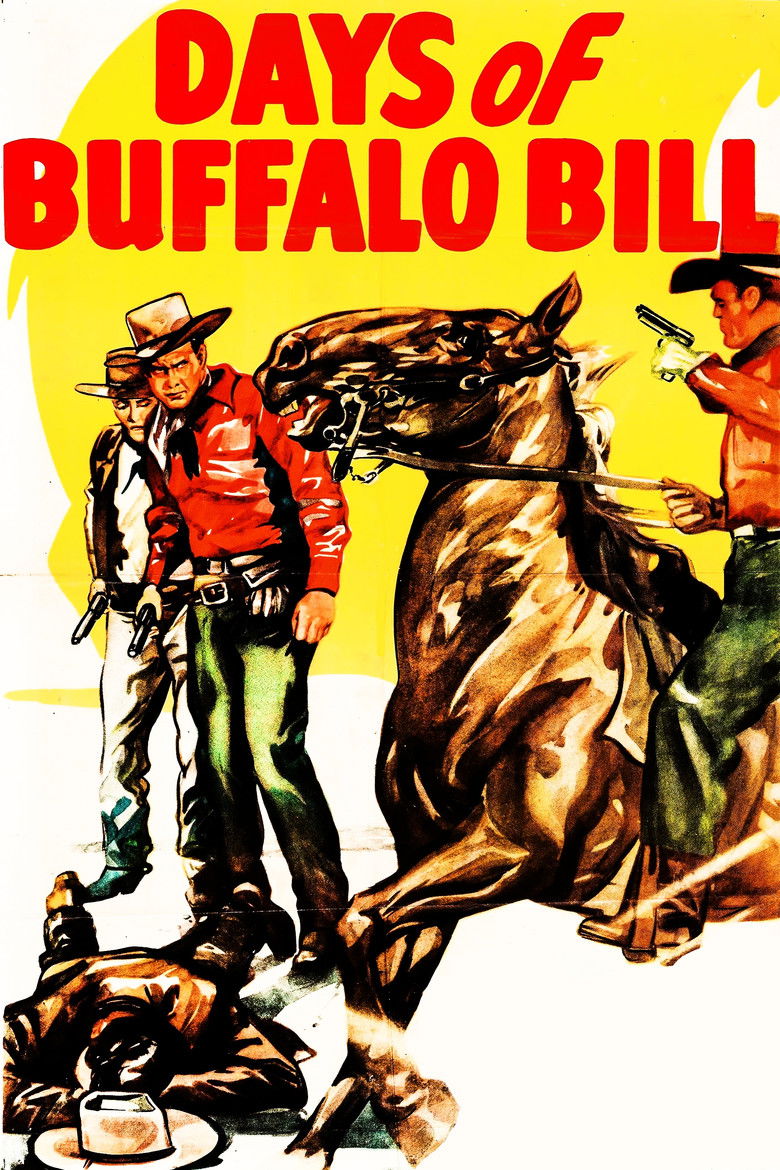
Days of Buffalo Bill is a quintessential mid-century Western that prioritizes established genre tropes over social complexity. The narrative focuses on a linear moral arc for a singular male protagonist, reinforcing the traditional archetypes of the 1940s. The film lacks intersectional depth, offering no representation for LGBTQ+ identities or individuals with disabilities. Its portrayal of race and culture remains monolithic, adhering to the era's standard settler-colonial perspectives. While the female lead is a catalyst for the hero's journey, the film maintains rigid gender hierarchies. Ultimately, the work functions as a reinforcement of historical social norms rather than a challenge to them.
1945
1940

1933
1956
1943
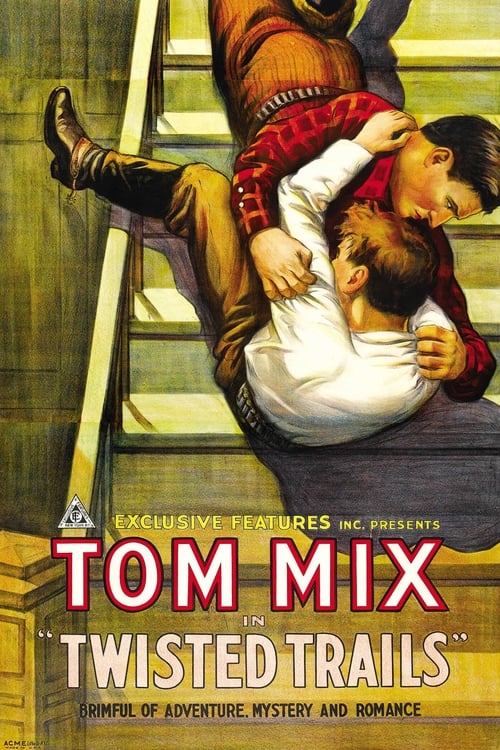
1916
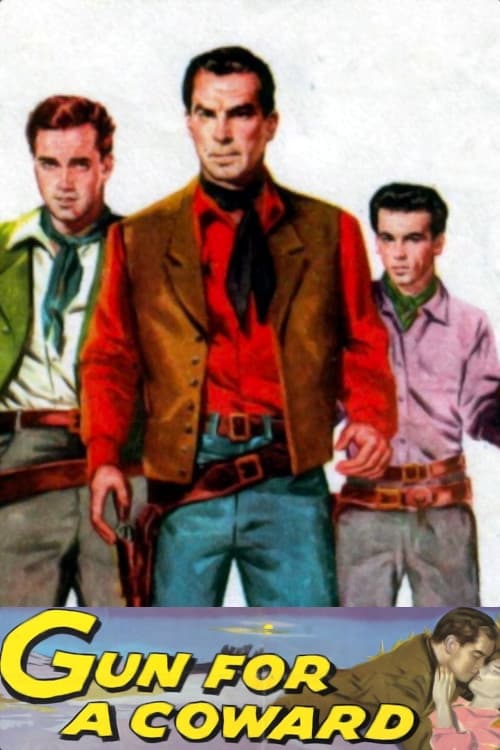
1956

1956
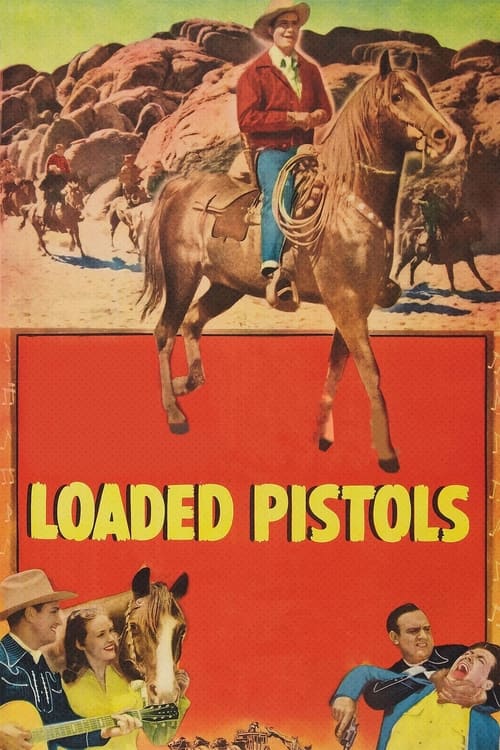
1948
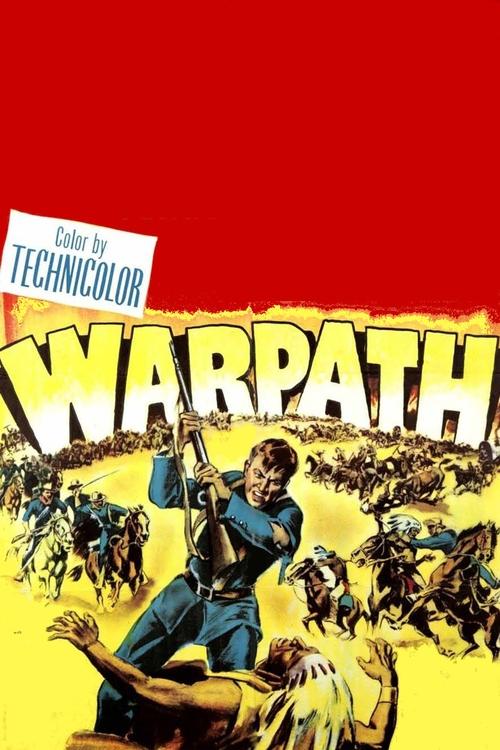
1951
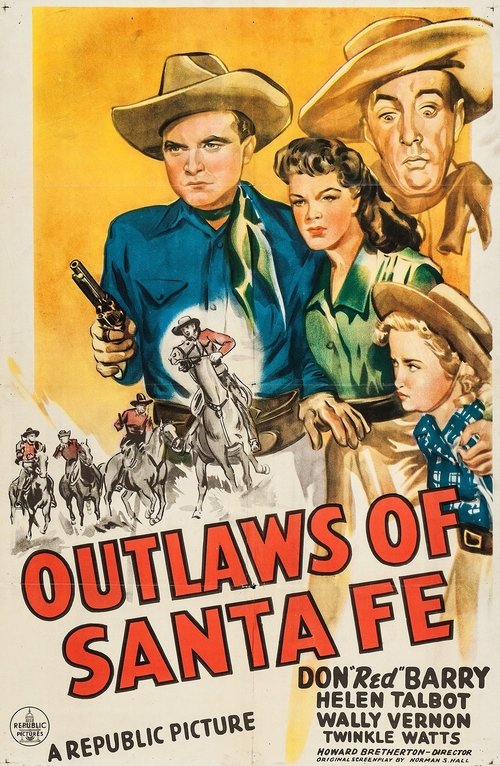
1944
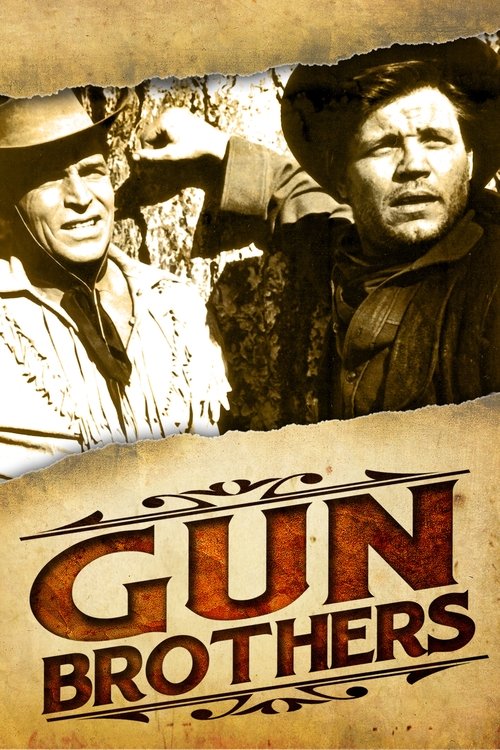
1956
No reviews yet. Be the first to share your thoughts on this movie!
Use the rating form above to leave a star rating and optional review.