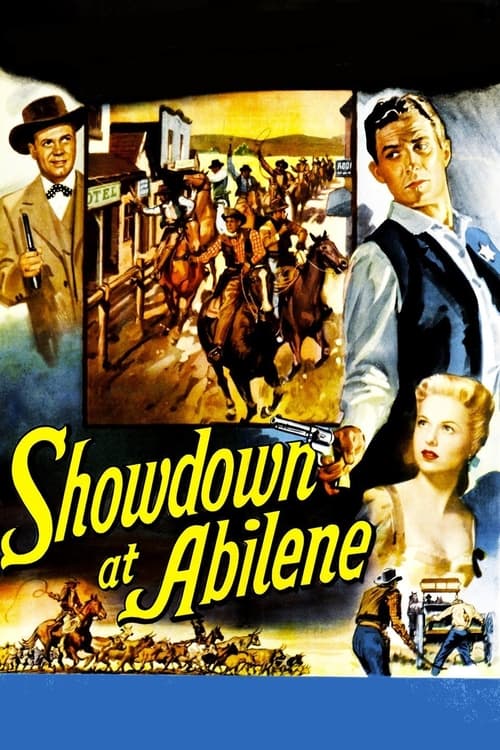
Showdown at Abilene
1956
No user ratings available yet
Representation score: 0.3 out of 10
Representation Score
Minimal
1967
NRDirector
William Hale
Runtime
86 minutes
Average Rating
No ratings yetNew Showbiz Analysis
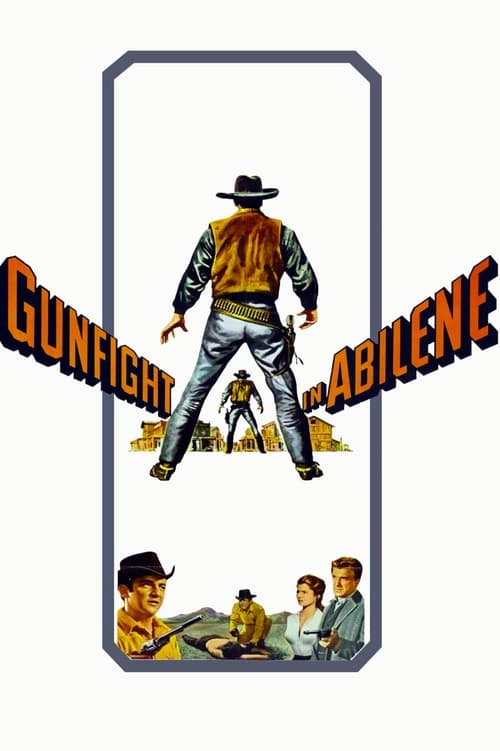
Gunfight in Abilene is a traditional Western that emphasizes genre clichés over social critique. The narrative focuses on a singular trajectory of masculine redemption and frontier justice. The film reinforces mid-century social hierarchies, particularly regarding gender and race. It relies on homogeneous depictions of the American frontier common to 1967 productions. While the film addresses socioeconomic tensions between ranchers and farmers, it treats these as individual conflicts rather than systemic critiques of class or power.
Category Breakdown
The film adheres to a strictly heterosexual and cisgender structure. It centers on a romantic relationship between a man and his former partner, with no representation of LGBTQ+ identities.
Gender roles follow traditional Western hierarchies. A female character serves as a moral guide, but the main storyline and plot progression are dominated by male characters.
The cast is primarily white and Anglo-Saxon, reflecting the era's standards. There are no characters of color with significant roles or presence in the narrative.
The story explores frontier morality through individual responsibility. It relies on classic clichés like the reluctant hero rather than critiquing established social or religious structures.
There are no prominent depictions of visible or invisible disabilities. The protagonist's psychological guilt serves as a character motivator rather than a nuanced study of mental health.
Present on Screen
Limited or Absent
Official Synopsis
Fighting in the Civil War a man accidently kills his friend. Returning to Abilene after the war he finds his former sweetheart about to marry the brother of the man he killed. To pay his debt he not only refuses to win her back but takes the job of Sheriff, a job he doesn't want, when the brother asks him. Still haunted by the killing he refuses to carry a gun. But there is trouble between the ranchers and the farmers and when he finds the brother murdered he straps on a gun and heads after the killer.
1956
1958
1969
1967
1947
1956
1967
1959
No reviews yet. Be the first to share your thoughts on this movie!
Use the rating form above to leave a star rating and optional review.