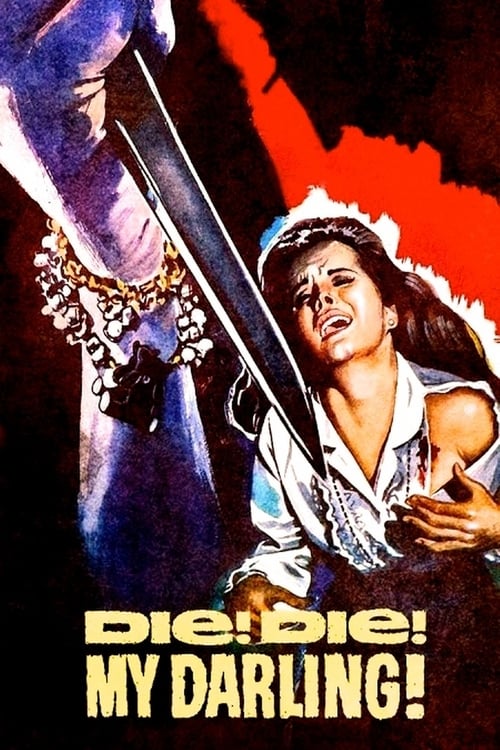
Fanatic
1965
No user ratings available yet
Representation score: 5.2 out of 10
Representation Score
Limited
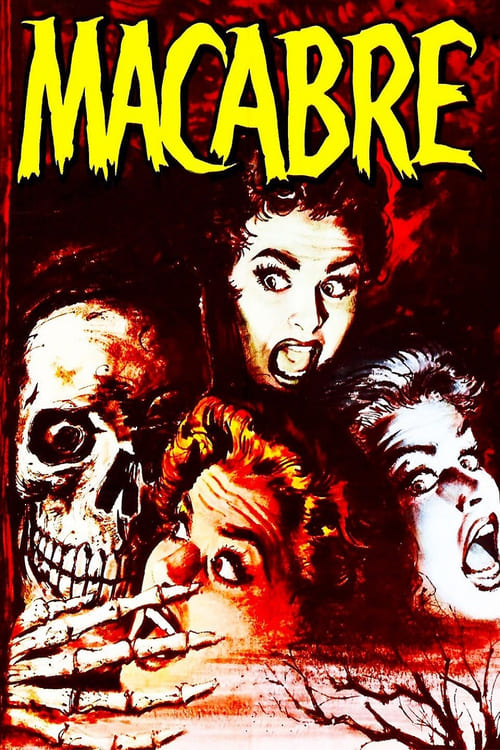
1958
ApprovedDirector
William Castle
Runtime
72 minutes
Average Rating
No ratings yetNew Showbiz Analysis
Macabre is a quintessential product of 1950s studio filmmaking, emphasizing psychological suspense over social complexity. The narrative relies heavily on established hierarchies, focusing on a male protagonist's trauma while relegating women and underrepresented identities to secondary or functional roles. The film reinforces the era's social homogeneity. It lacks racial diversity and offers no disruption to the straight-centered status quo, making it a standard example of mid-century genre cinema.
Category Breakdown
The film does not include any LGBTQ+ characters. Relationships and interactions are centered around traditional family and romantic structures.
Gender roles in the film follow mid-century conventions. Female characters mainly serve as catalysts for the male lead's emotional journey or as figures needing rescue.
The cast and setting reflect the demographic uniformity of the era. There is no multi-ethnic cast or engagement with diverse racial backgrounds.
The narrative follows traditional Western storytelling norms. It operates within a conventional moral framework without addressing broader societal issues.
A blind sister is featured, but her impairment serves primarily as a plot device. The portrayal lacks the depth to show her taking control of her life.
Present on Screen
Limited or Absent
Official Synopsis
After his wife and her blind sister have died under his care, a doctor's young daughter is kidnapped and reported as buried alive, leaving him with mere hours to find and rescue her.
1965
1971
1964
1963
1956

1961
1961
1946
No reviews yet. Be the first to share your thoughts on this movie!
Use the rating form above to leave a star rating and optional review.