Fanatic
1965
No user ratings available yet
Representation score: 5.2 out of 10
Representation Score
Limited
1956
ApprovedDirector
W. Lee Wilder
Runtime
68 minutes
Average Rating
No ratings yetNew Showbiz Analysis
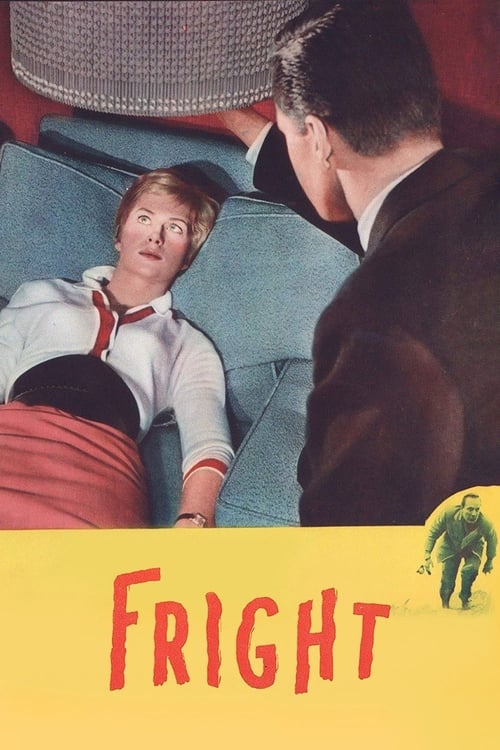
Fright is a mid-century horror-mystery that heavily relies on psychological clichés. The narrative links a female protagonist and a male antagonist through past-life regression, fitting the genre conventions of the 1950s. The film lacks complexity in addressing multiple identities or disrupting social hierarchies. It operates as a traditional period piece where characters are driven by psychological issues and historical context rather than progressive themes. Ultimately, the production reflects the era's standard for homogeneous casting and conventional narrative structures, focusing on individual trauma within a mystery setting.
Category Breakdown
The film doesn't include any LGBTQ+ identities or queer undertones. The main storyline revolves around a traditional male-female reincarnation dynamic.
Nancy Malone leads the investigation, but the reincarnation theme often places women in roles that support masculine narratives. The film doesn't challenge traditional gender roles.
While the story mentions an ancient prince, the cast lacks diverse ethnic backgrounds. The casting follows the homogenous standards of 1950s psychological thrillers.
The story delves into metaphysical concepts like reincarnation without focusing on specific religious beliefs. It stays within the traditional mystery genre framework.
Hypnotism serves as a key plot device and source of suspense. The film focuses on psychological clichés rather than offering nuanced depictions of neurodivergence.
Present on Screen
Limited or Absent
Official Synopsis
A woman believes herself to be the reincarnated spirit of an ancient prince's lover. Meanwhile, a murderer turns out to be the reincarnated spirit of the prince himself.
1965
1963
2009

1961
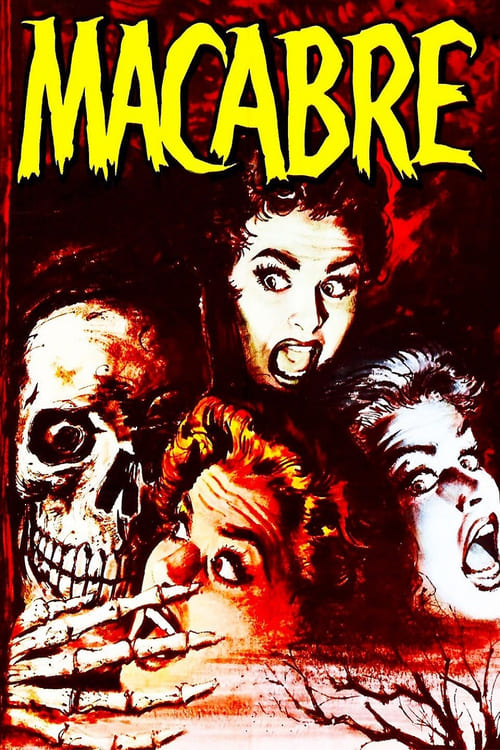
1958
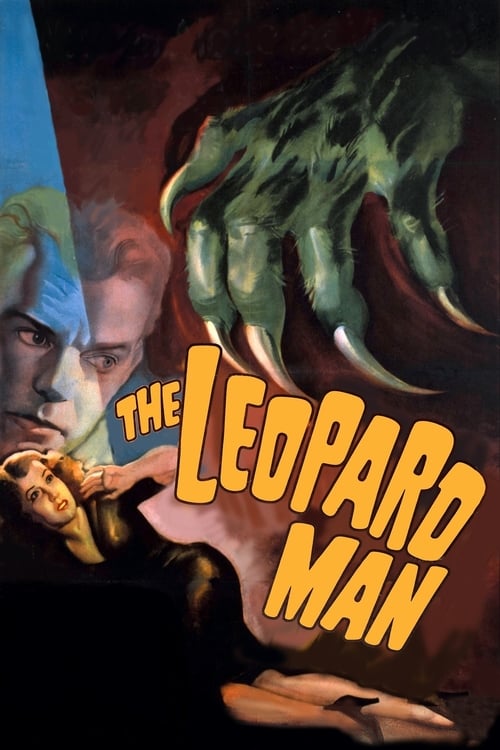
1943
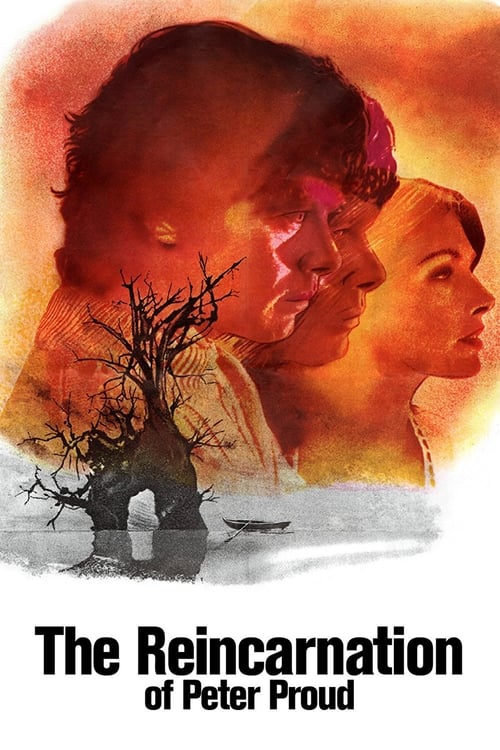
1975
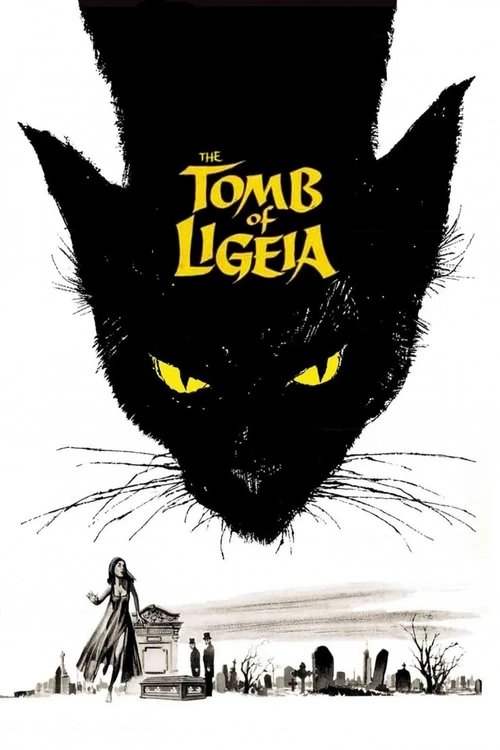
1964
No reviews yet. Be the first to share your thoughts on this movie!
Use the rating form above to leave a star rating and optional review.