The Girl Who Knew Too Much
1963
No user ratings available yet
Representation score: 2.8 out of 10
Representation Score
Fair
1965
Director
Silvio Narizzano
Runtime
97 minutes
Average Rating
No ratings yetNew Showbiz Analysis
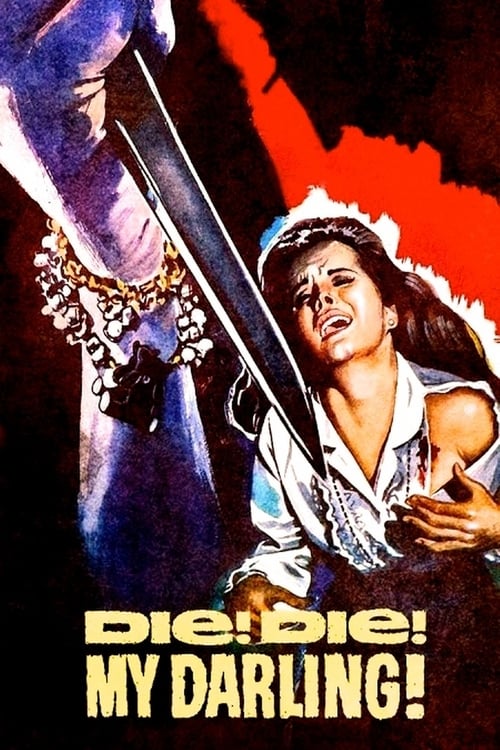
Fanatic operates as a standard mid-century psychological thriller, largely adhering to the social and demographic norms of 1965. Its primary contribution to narrative complexity lies in its subversion of maternal archetypes, replacing the nurturing figure with a destabilizing antagonist. However, the film remains limited by its era. It lacks racial diversity and queer representation, focusing instead on a homogeneous, straight-centered domestic conflict. The use of mental illness as a horror device is a common cliché that prevents deeper engagement with disability representation.
Category Breakdown
The film focuses on a heterosexual romantic tragedy and does not include any queer subtext or non-cisgender identities.
The story centers around a volatile matriarch who drives the central conflict. Despite her vulnerability, she plays a significant role in shaping the narrative.
This British production reflects a homogeneous Western environment. It lacks significant roles for non-Anglo-Saxon characters or racial blending.
The narrative challenges the sanctity of mid-century domestic ideals by portraying the mother as a source of terror.
Mental instability drives the horror through the mother's demented behavior. The film explores psychological breakdown rather than physical caricature.
Present on Screen
Limited or Absent
Official Synopsis
A young woman is terrorized by her former fiance's demented mother who blames her for her son's death. Also known as Die! Die! My Darling!
1963
1973

1971

1961
1975
1988

1972

1965
No reviews yet. Be the first to share your thoughts on this movie!
Use the rating form above to leave a star rating and optional review.