You'll Die at Midnight
1986
No user ratings available yet
Representation score: 3.7 out of 10
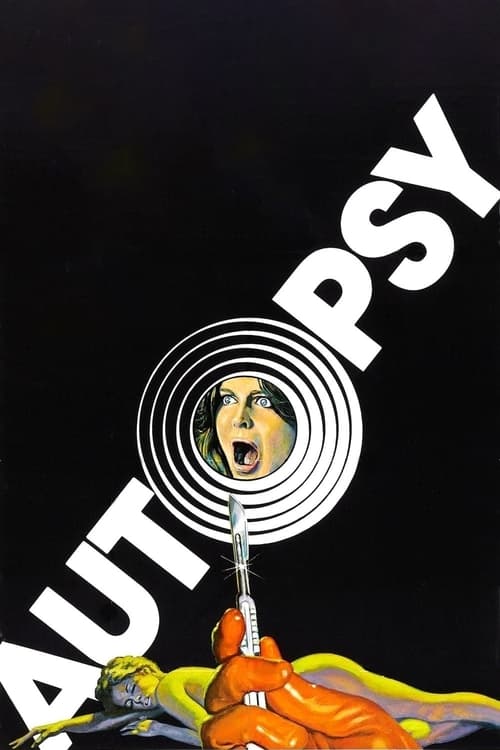
Representation Score
Limited
1975
RDirector
Armando Crispino
Runtime
100 minutes
Average Rating
No ratings yetNew Showbiz Analysis
Autopsy is a classic giallo-style thriller that highlights its female lead. By focusing on a pathologist using scientific methods, the film challenges the typical damsel-in-distress cliché prevalent in 1970s horror. However, the film remains confined by its era and genre conventions. The cast is predominantly homogeneous, reflecting a Eurocentric setting, and the narrative lacks complexity in representing diverse identities. Ultimately, while Simona’s intellectual leadership offers some progressive value, the film upholds traditional social structures without a deeper critique.
Category Breakdown
The film does not include any LGBTQ+ characters or themes. Relationships and interactions are centered around traditional social structures without exploring non-straight identities or queer undertones.
Simona stands out as a progressive figure by taking the lead in the investigation. However, female characters are often placed in physically vulnerable situations.
The film portrays a uniform Italian social environment. There is no indication of racial diversity or casting that goes beyond Eurocentric standards.
The story involves the medical community and the Catholic Church as integral parts. It shows a blend of secular science and religious traditions without challenging these institutions.
Characters with disabilities are not given much control over their actions. Their physical traumas are used mainly as plot devices to advance the mystery.
Present on Screen
Limited or Absent
Official Synopsis
A series of random suicides in Rome, Italy are attributed to a heatwave, but a young pathologist named Simona—who is working on a thesis about murders disguised as suicides—suspects otherwise. When a young girl associated with Simona's playboy father ends up dead in another supposed suicide, Simona teams up with the girl's priest brother to prove she was murdered and track down the unknown serial killer.
1986
1963
1973
1973

1972

1971
1965
1972
No reviews yet. Be the first to share your thoughts on this movie!
Use the rating form above to leave a star rating and optional review.