Fear
1990
No user ratings available yet
Representation score: 3.1 out of 10
Representation Score
Fair
1964
Director
Joseph Stefano
Runtime
80 minutes
Average Rating
No ratings yetNew Showbiz Analysis
The film presents a nuanced psychological exploration that challenges traditional domestic structures. By focusing on a matriarchal struggle for control, it deviates from the conventional patriarchal narratives of the time. However, the production remains confined by the social norms of 1964. It lacks meaningful representation of LGBTQ+ identities or non-cisgender characters, and maintains a homogeneous cast focused on Western socioeconomic classes. Overall, the work offers moderate complexity through its deconstruction of the 'stable home' concept, even though it fails to represent diverse identities or disabilities who play a significant role in driving the story.
Category Breakdown
The film does not include any explicit same-sex relationships or non-cisgender identities. While there is tension between an heiress and her deceased mother-in-law, there is no clear depiction of queer individuals taking control of their lives.
The story challenges mid-century gender roles by focusing on a female-dominated power struggle. A matriarchal figure exerts control from beyond the grave, shifting the narrative focus from traditional masculine stability to psychological conflicts.
The production follows the homogeneous casting practices typical of 1960s American television. There is no indication of a non-white majority cast. The setting centers on established Western socioeconomic classes.
The film questions the family as a stabilizing institution, presenting it instead as a source of psychological entrapment. It examines the disruption of the traditional family unit through a controlling deceased relative.
Themes of psychological distress and fear of being buried alive serve as genre-driven plot devices. Characters with disabilities do not have significant control over their lives, as the paranormal elements primarily support the thriller framework.
Present on Screen
Limited or Absent
Official Synopsis
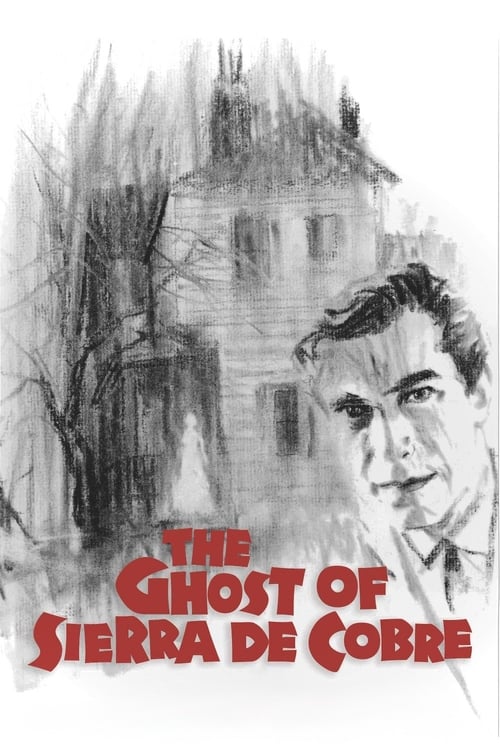
Terrified of being buried alive, a woman installs a phone in her crypt. A few days after her death, the phone suddenly rings and paranormal investigator Nelson Orion is brought in to probe the case.
1990

1961
1957

1989
1972
1977

2007
1992
No reviews yet. Be the first to share your thoughts on this movie!
Use the rating form above to leave a star rating and optional review.