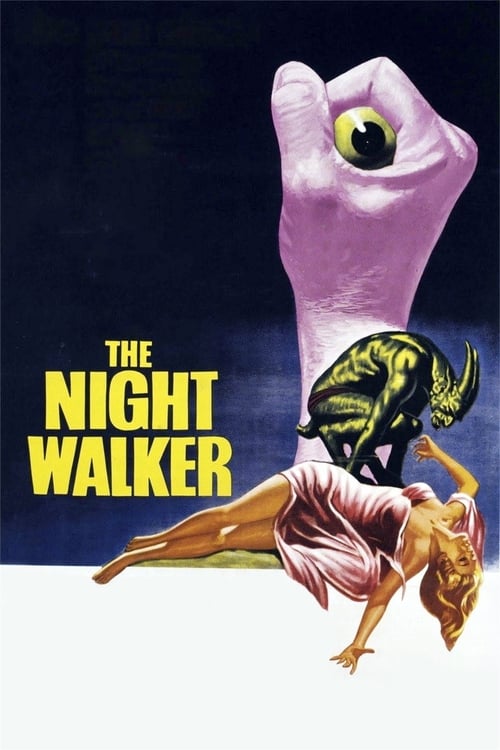
The Night Walker
1964
No user ratings available yet
Diversity score: 1.8 out of 10
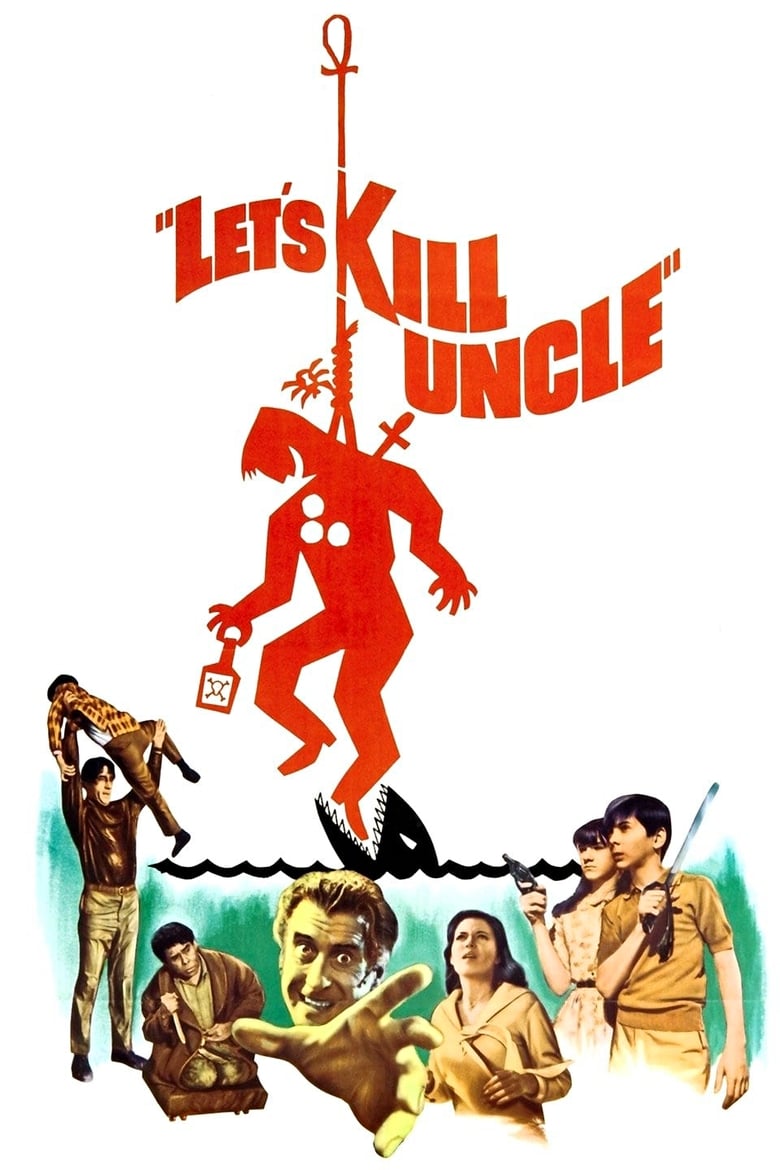
1966
Director
William Castle
Runtime
92 minutes
Average Rating
No ratings yetSynopsis
A 12-year-old orphan who has just inherited a fortune is trapped on an island with his uncle, a former British intelligence commander who intends to kill him. A young girl is the boy's only ally against the sarcastic uncle, who uses hypnotism, a pool of sharks, fire, and poisonous mushrooms as weapons.
Overall Score
Minimal
Category Breakdown
LGBTQ+ Representation
The film lacks any discernible presence of LGBTQ+ characters or non-cisnormative identities. It operates within a conventional mid-century framework of heteronormativity.
Gender Representation
While a young girl serves as an ally to the male lead, the film follows traditional gender hierarchies. The characters adhere to standard youth mystery archetypes of the era.
Racial & Ethnic Diversity
The cast appears largely homogeneous with no evidence of color-blind casting. The storytelling aligns with the era's tendency toward Western, Anglo-centric perspectives.
Religious & Cultural Diversity
The story focuses on a localized, upper-class domestic conflict regarding inheritance. It does not engage with anti-Western critiques or promote secularism/atheism.
Disability Representation
There are no visible or invisible disabilities portrayed within the character arcs. Characters are defined by mystery roles rather than neurodivergence or physical conditions.
Strengths
Areas for Improvement
AI Analysis
William Castle’s thriller is a product of its time, prioritizing genre spectacle and commercial gimmicks over social exploration. The narrative relies on traditional suspense tropes like hypnotism and environmental hazards to drive the plot. Because the film functions as a straightforward suspense-comedy, it reinforces the mid-1960s cinematic status quo. It lacks the intentionality needed to subvert systemic power dynamics or explore intersectional identities. Ultimately, the film remains a localized domestic conflict that avoids challenging traditional Western institutional values or social hierarchies.
1964

1965
1983
1986
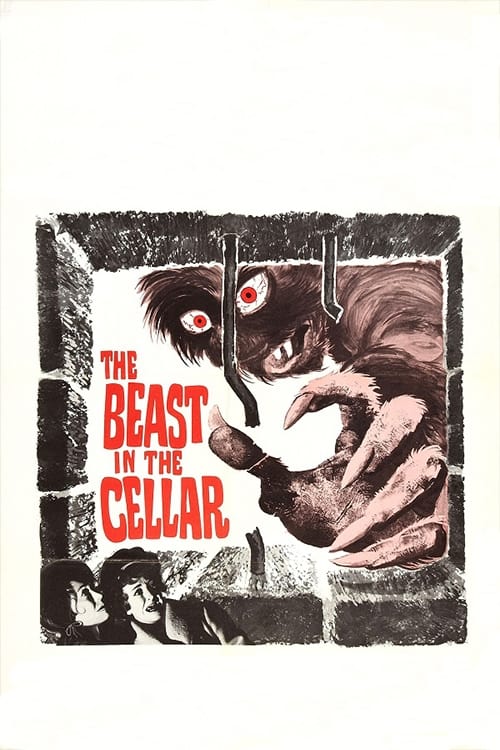
1971

1960

1948

1978
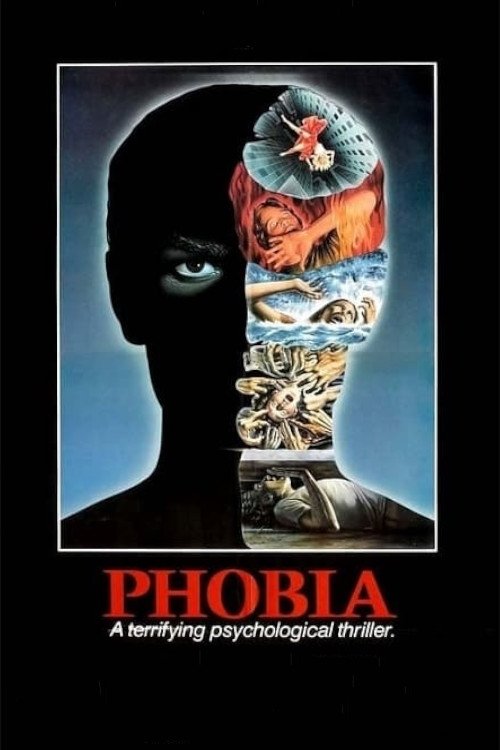
1980
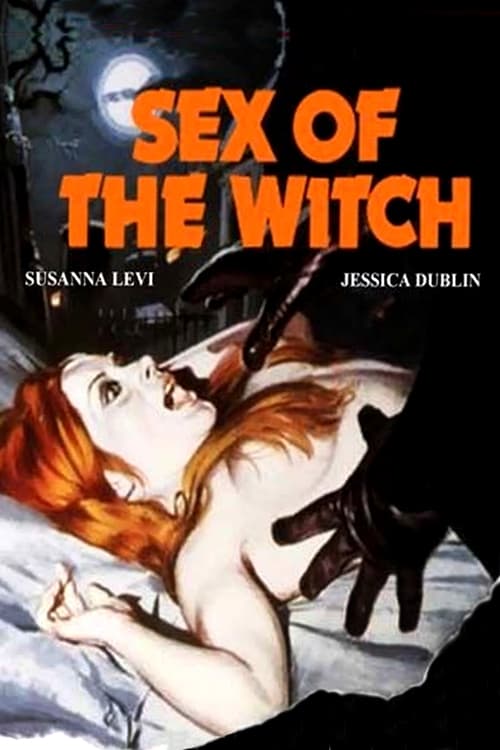
1973
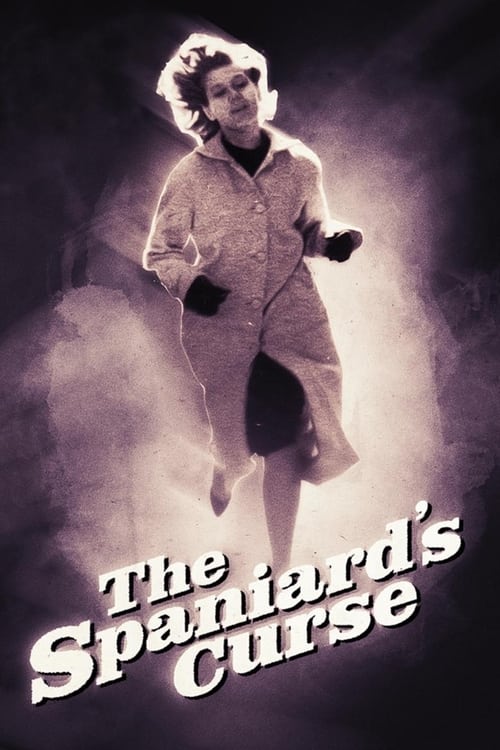
1958
1972
No reviews yet. Be the first to share your thoughts on this movie!
Use the rating form above to leave a star rating and optional review.