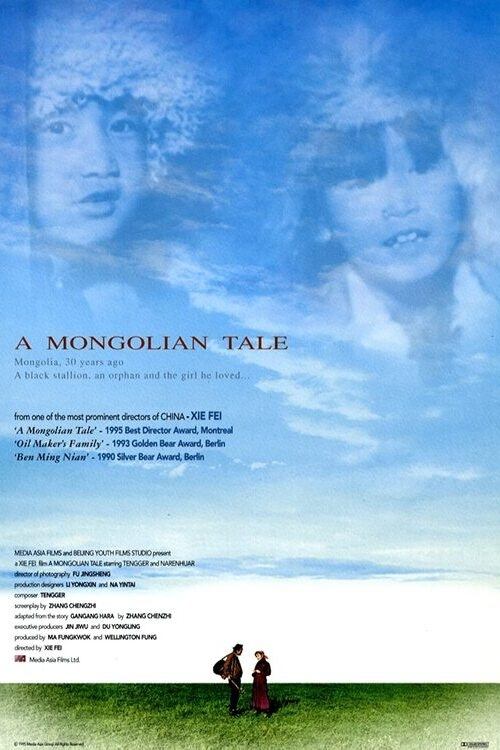
The Cave of the Yellow Dog
2005
No user ratings available yet
Representation score: 3.2 out of 10
Representation Score
Fair
1995
Director
Xie Fei
Runtime
103 minutes
Average Rating
No ratings yetNew Showbiz Analysis
Xie Fei’s drama succeeds as a piece of ethnographic realism, providing a vital departure from monolithic national narratives. By centering Mongolian ethnic identity, the film offers a nuanced look at regional life that challenges more common, centralized perspectives. However, the film operates within a very traditional framework. It does not engage with contemporary identity politics, particularly regarding LGBTQ+ representation and gender roles. Instead, it adheres to conventional social hierarchies and marital expectations. The strength of the work lies in its cultural critique. The tension between the nomadic steppe and the institutionalized city highlights the friction between indigenous wisdom and modern, capitalist structures.
Category Breakdown
The film focuses on a traditional relationship between Bayinbulag and Somiya, which assumes everyone is straight or cisgender. There are no stories that question this assumption or include diverse gender identities.
Gender roles in the film follow traditional expectations within a nomadic survivalist setting. The story stays within conventional gender roles centered around duty and ambition.
The film offers significant representation of Mongolian ethnic identity. It shifts focus away from Han-centric views by highlighting the unique cultural aspects of nomadic life on the steppes.
The narrative effectively portrays non-Western, subsistence-based lifestyles. It contrasts traditional steppe life with the encroachment of modern city life.
There are no prominent depictions of visible or invisible disabilities. The film emphasizes the physical demands of nomadic living.
Present on Screen
Limited or Absent
Official Synopsis
Bayinbulag and Somiya are brought up, from a young age, as brother and sister by their adoptive grandmother. The three live happily in a yurt on the Mongolian steppes. Just before Bayinbulag is to leave for the city, to be trained as a vet, the grandmother suggests that Bayinbulag and Somiya should eventually marry. Bayinbulag, now training to be a musician, stays away for long periods of time without communicating with Somiya. He finally comes back expecting to marry her.
2005
2004
2015
2001

1999
2015
2007
2005
No reviews yet. Be the first to share your thoughts on this movie!
Use the rating form above to leave a star rating and optional review.