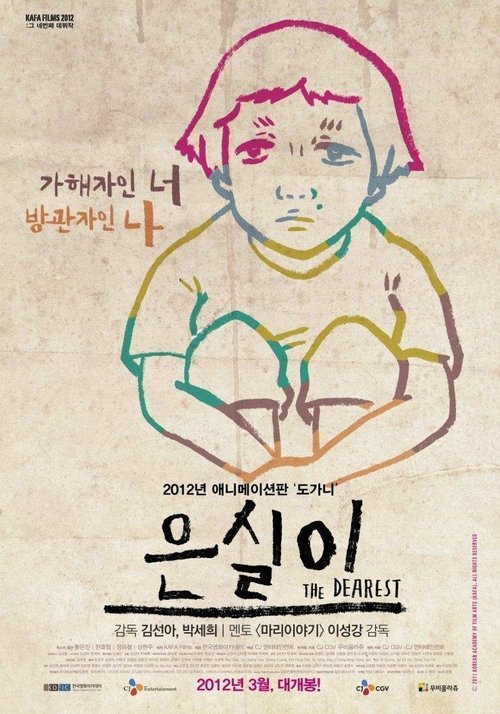
The Dearest
2011
No user ratings available yet
Representation score: 8.5 out of 10
Representation Score
Good
2003
Director
Sung Baek-yeop
Runtime
75 minutes
Average Rating
No ratings yetNew Showbiz Analysis
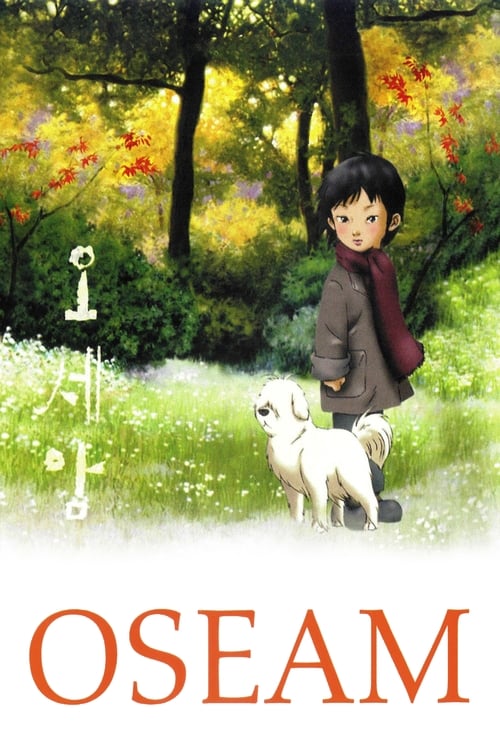
Oseam is a culturally specific drama that finds its strength in its refusal to adopt Western-centric narrative norms. By centering the story on Korean protagonists and Buddhist spirituality, it offers a profound look at identity and refuge during wartime. The film excels in its empathetic portrayal of disability and its commitment to ethnic authenticity. Ga-mi’s blindness is treated with narrative weight, contributing to the film's atmospheric depth rather than acting as a superficial cliché. However, the film remains limited by its narrow focus. It lacks engagement with LGBTQ+ identities or modern gender subversion, operating instead within a traditional framework of familial and spiritual connection.
Category Breakdown
The film does not include any LGBTQ+ characters or narratives. The story focuses solely on sibling bonds and monastic life, with no queer-coded subtext or critiques of straight relationships.
The narrative centers on the emotional survival of children, avoiding patriarchal hierarchies. However, it lacks diverse gendered perspectives or a subversion of traditional gender roles.
The film provides an authentic look at Korean life during historical upheaval. It resists a Western-centric gaze by centering Korean protagonists within their own cultural context.
Buddhist spirituality serves as a central sanctuary against the chaos of war. The film prioritizes local communal refuge over Western religious or capitalist structures.
Ga-mi’s loss of eyesight is integrated into the film's emotional core. Her sensory experience adds psychological depth rather than serving as a mere plot device.
Present on Screen
Limited or Absent
Official Synopsis
After a fire claims the life of her mother and her eyesight, young Ga-mi and her brother, Gil-son — who is unaware of their mother's death — eventually find a home with Buddhist monks in their mountainside temple.
2011

2006
2003

2011

2017
1990
2002
2013
No reviews yet. Be the first to share your thoughts on this movie!
Use the rating form above to leave a star rating and optional review.