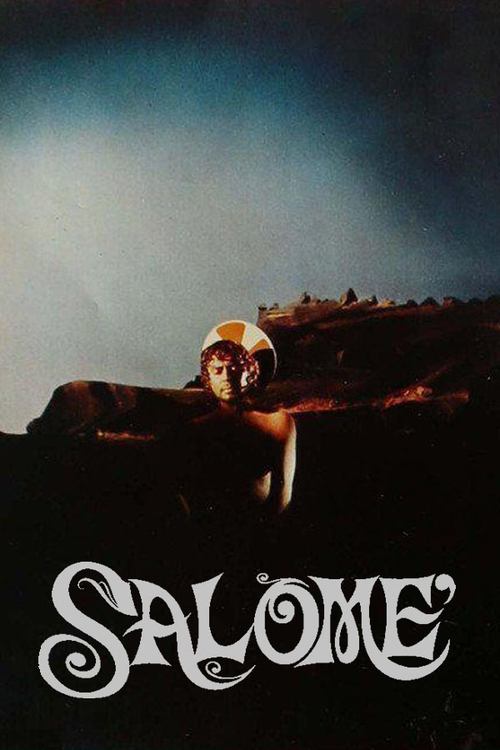
Salomé
1972
No user ratings available yet
Diversity score: 7.7 out of 10
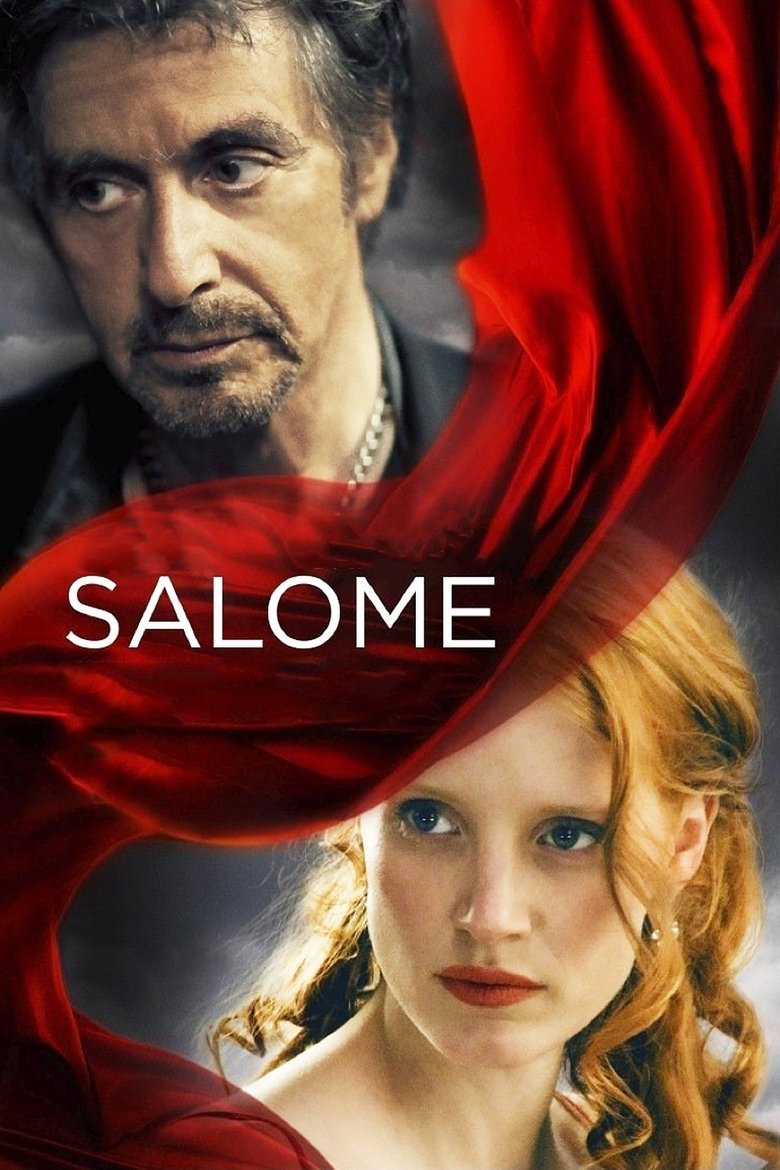
2013
RDirector
Al Pacino
Runtime
81 minutes
Average Rating
No ratings yetSynopsis
After the lewd and frenetic Dance of the Seven Veils, and with the solemn pledge from the very lips of Herod himself that she could have whatever her heart desires up to half his kingdom, wanton and proud young Salomé comes before her king with an unreasonable demand. Beguiled by John the Baptist, and then scorned for the sake of his god, lascivious Salomé—encouraged by her mother, the vindictive, Herodias—commands that John be executed and his head delivered on a silver platter.
Overall Score
Fair
Category Breakdown
LGBTQ+ Representation
The film explores intense themes of desire and obsession. However, there is no explicit evidence of queer identities or non-cisnormative subtext within the narrative.
Gender Representation
Female characters like Salomé and Herodias drive the plot through their agency. They disrupt traditional hierarchies by commanding the actions of the male figures.
Racial & Ethnic Diversity
Set in a biblical period, the film likely follows traditional historical portrayals. There is no evidence of a diverse or race-bent cast in the description.
Religious & Cultural Diversity
The story critiques rigid institutional power by pitting individual impulse against religious dogma. It presents a complex view of morality through its central characters.
Disability Representation
The narrative contains no mention of characters with visible or invisible disabilities.
Strengths
Areas for Improvement
AI Analysis
Salomé (2013) functions as a classical period drama that prioritizes stylized narrative over modern social realism. Its primary strength lies in its subversion of gendered power dynamics, placing female agency at the center of a high-stakes political and religious conflict. However, the film lacks explicit intersectional representation. While it explores moral complexity and obsession, it does not provide clear markers for LGBTQ+ identities or diverse racial casting, remaining rooted in traditional historical archetypes. Ultimately, the production is a study of individual desire versus institutional authority rather than a vehicle for contemporary identity-based representation.
1972

1976

1973

2005

1956

1967
1969
2003
1984

1963

2010
1960
No reviews yet. Be the first to share your thoughts on this movie!
Use the rating form above to leave a star rating and optional review.