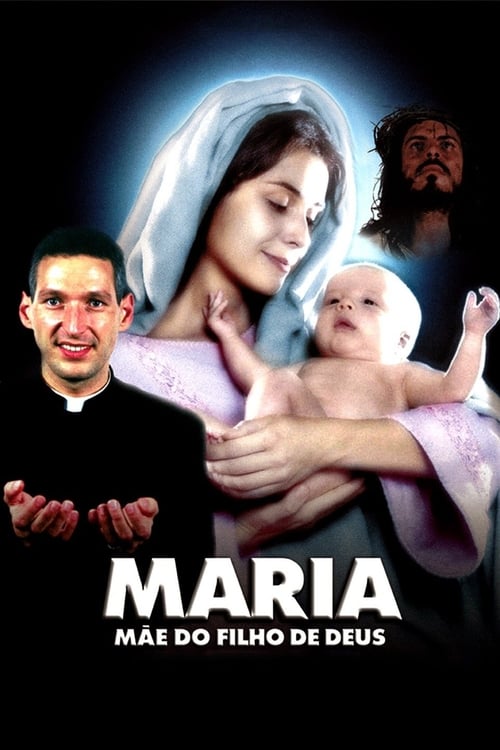
Mary, Mother of the Son of God
2003
No user ratings available yet
Representation score: 7.7 out of 10
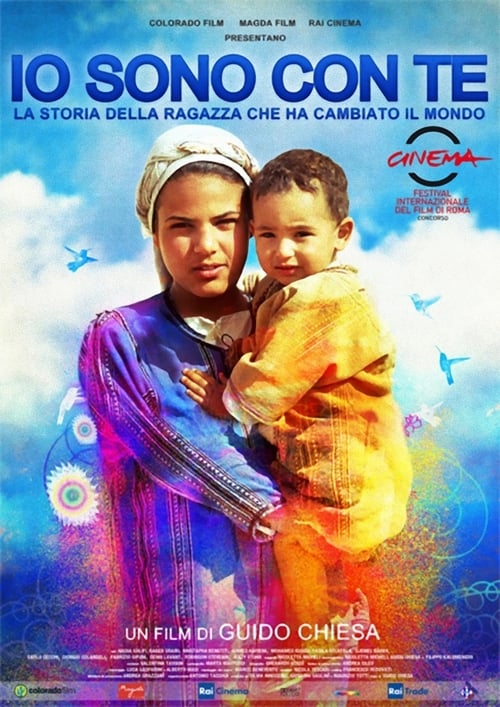
Representation Score
Good
2010
Director
Guido Chiesa
Runtime
103 minutes
Average Rating
No ratings yetNew Showbiz Analysis
Let It Be serves as a sophisticated study of the friction between an individual and the state. While it lacks explicit demographic representation regarding LGBTQ+ or disability identities, it finds strength in its progressive cultural themes. The film excels at documenting the subject's transition from a pop icon to a critic of systemic issues. This focus on anti-establishment sentiment provides a layer of intellectual depth that transcends simple biographical storytelling. Ultimately, the work values the deconstruction of traditional power dynamics. It frames the subject's historical significance through his role as a disruptor of the status quo.
Category Breakdown
The film follows a traditional biographical format, focusing on documented heterosexual partnerships rather than exploring non-traditional gender identities.
The documentary examines domestic and interpersonal dynamics through the subject's marriages. It implicitly critiques mid-20th-century social structures through his political activism.
The narrative captures the diverse ethnic backgrounds of collaborators within a historical context. However, it remains largely centered on a Western musical tradition.
The film deconstructs traditional authority by documenting anti-war activism and critiques of political structures. It highlights the subject's evolution into a socio-political activist.
There is no significant focus on neurodivergence, physical disability, or mental health. The film prioritizes musical and political legacy over cognitive diversity.
Present on Screen
Limited or Absent
Official Synopsis
Mary is a young girl, daughter of shepherds, promised in marriage to Joseph, a widower with two children, living in the nearby village of Nazareth, in the Galilee of two thousand years ago. Grown up in love and respect for the little ones, Mary, after leaving her home, soon sees the distortions of the patriarchal world surrounding her, starting with her husband's family. Here he reads the oldest brother of Joseph, Mordecai. The sunny and determined attitude of the girl, protective of children, arouses the indignation of the head of the family and those who are convinced of the need to give them punishment, discipline and submission.
2003
2014
2012
2016
2013

1943
2015

2005
No reviews yet. Be the first to share your thoughts on this movie!
Use the rating form above to leave a star rating and optional review.