
The Third Wife
2019
No user ratings available yet
Diversity score: 7.0 out of 10
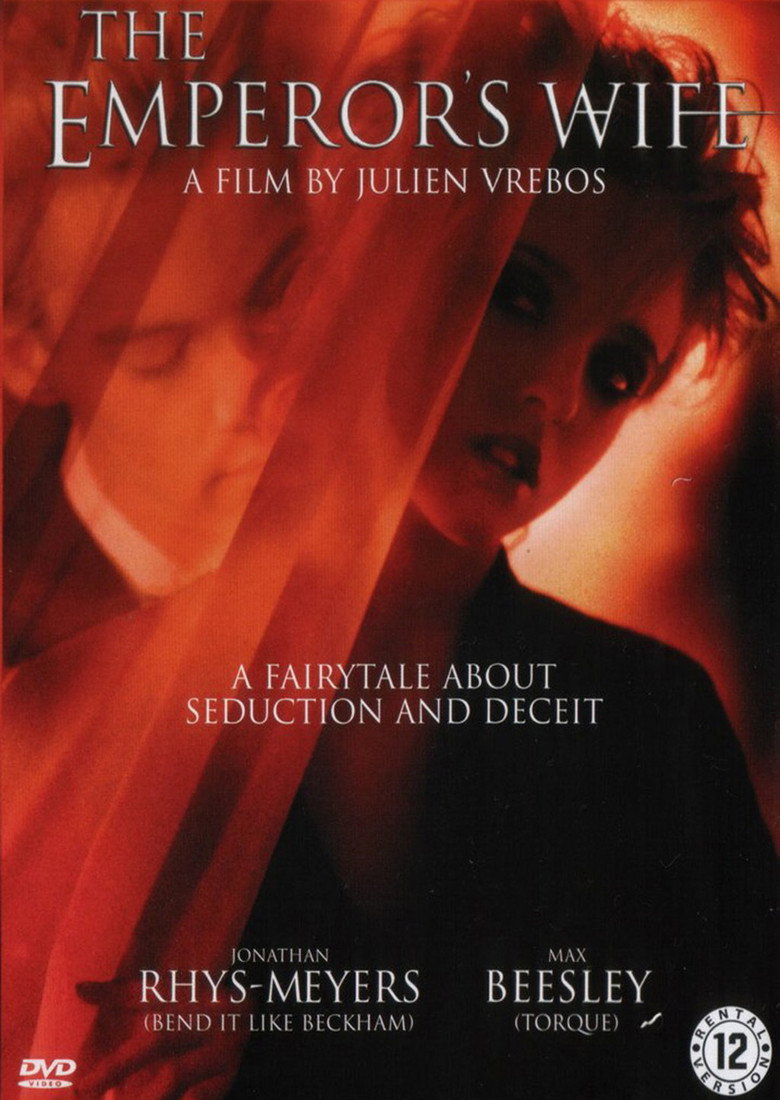
2003
Director
Julien Vrebos
Runtime
100 minutes
Average Rating
No ratings yetSynopsis
In an undisclosed location and time, in the land of 1001 nights, the law dictates that the Emperor must take a new wife if his current Empress does not bear a son within seven years of marriage. At the celebration Ball of their sixth wedding anniversary, the Emperor (MAX BEESLEY - Torque) and his faithful manservant, Chamberlain (JONATHAN RHYS-MEYERS - Vanity Fair, Bend It Like Beckham, I'll Sleep When I'm Dead) begin the covert operation to find and prepare a virgin candidate to become the new Empress.A suitable young woman, Sabah (LETICIA DOLERA) is secretly transported into an isolated wing in the Imperial Palace. In this prison of fairytale rooms, she is tutored by the Masters and spied upon by the Emperor and Chamberlain. Should the current Empress (ROSANA PASTOR) conceive, everyone in the secret wing will be executed.
Overall Score
Fair
Category Breakdown
LGBTQ+ Representation
The story centers on heteronormative reproductive laws and patriarchal structures. While the Chamberlain is described as a faithful companion, there is no explicit queer identity present. Any subtextual intimacy remains unconfirmed.
Gender Representation
Women are positioned as functional tools for state stability rather than autonomous actors. The Empress's value is tied strictly to her ability to produce a male heir. Sabah serves as a central plot pivot despite her confinement.
Racial & Ethnic Diversity
The '1001 Nights' setting provides a non-Western aesthetic framework. Casting choices like Leticia Dolera and Rosana Pastor suggest a diverse ensemble. The film centers on non-European imperial customs and legalities.
Religious & Cultural Diversity
The film critiques absolute monarchy and the pressures of dynastic succession. The Imperial Palace is depicted as a site of surveillance and systemic oppression. The narrative explores the volatility of traditional power structures.
Disability Representation
There is no mention of visible or invisible disabilities. No characters are identified as having neurodivergence or physical impairments.
Strengths
Areas for Improvement
AI Analysis
The film operates within a rigid, traditional hierarchy where female agency is severely restricted by reproductive requirements. The narrative focuses heavily on the systemic pressures of an imperial court and the biological necessity of a male heir. While the setting offers a non-Western cultural framework and a diverse cast, the core conflict remains rooted in patriarchal control. The tension between the characters and the oppressive laws of the land provides the primary narrative drive. Ultimately, the work functions as a critique of absolute authority, even as it relies on traditional gender roles to move the plot forward.
2019

2006
2017
1985

2008
1996
1974
2012
1948
1994
2021

2015
No reviews yet. Be the first to share your thoughts on this movie!
Use the rating form above to leave a star rating and optional review.