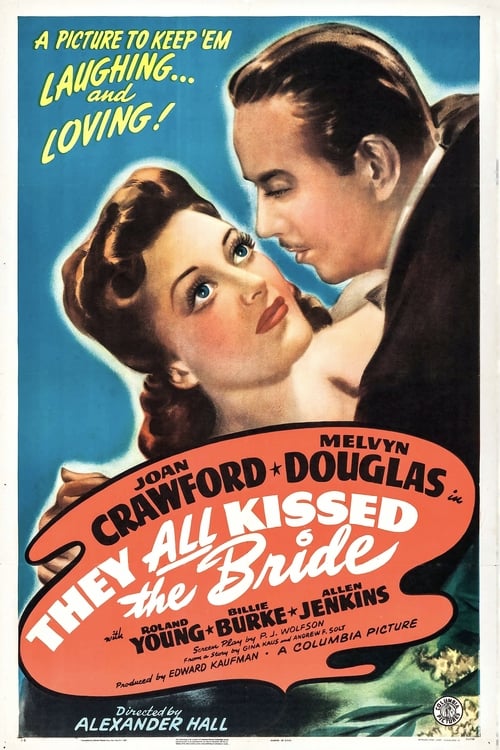
They All Kissed the Bride
1942
No user ratings available yet
Diversity score: 1.6 out of 10
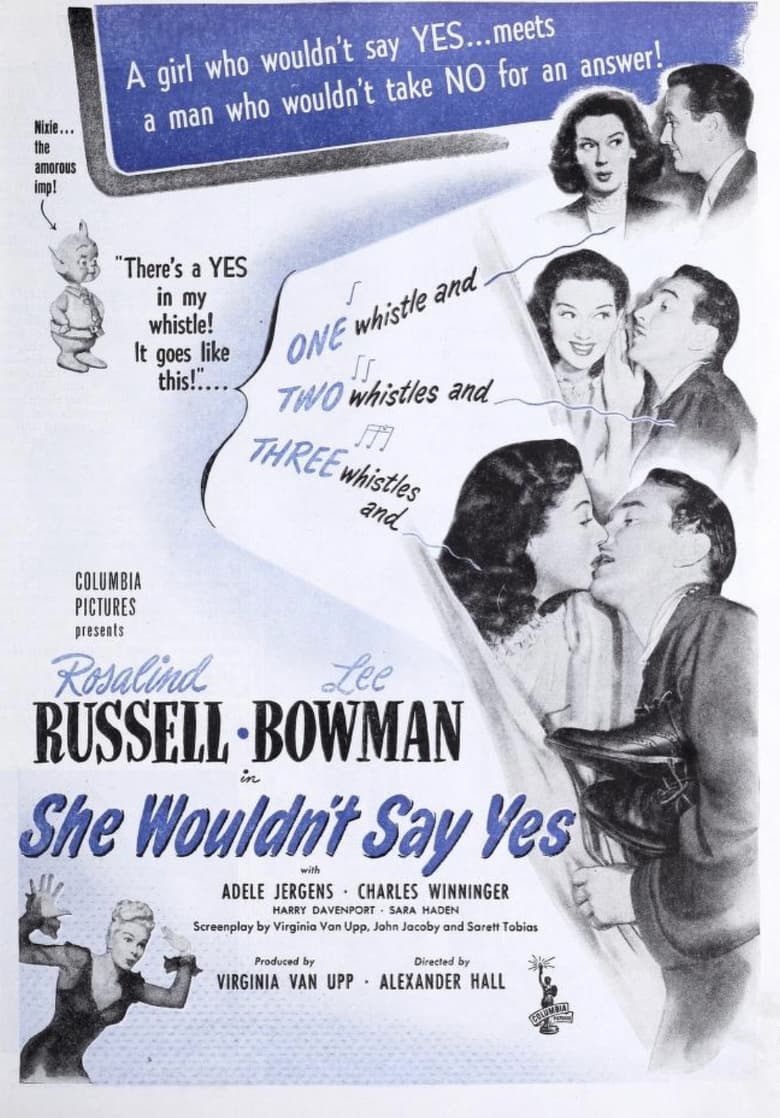
1945
Director
Alexander Hall
Runtime
87 minutes
Average Rating
No ratings yetSynopsis
Susan Lane is a gifted psychiatrist, grounded in self-control. Before returning by train to her practice in Chicago, she spends time back East with war veterans, building their self-esteem, but frowning on the impulsive, as represented by a favorite comic strip called "The Nixie." She bumps into Michael Kent, an officer and the comic strip's author. He likes her instantly and she dislikes him. He's headed to the Pacific, sees her on the train, gets off in Chicago, and with her father's help, pursues her and hatches a plan to marry her. Meanwhile, she has her own plan to get rid of him with the help of a blond patient. Will the Nixie get into her psyche?
Overall Score
Limited
Category Breakdown
LGBTQ+ Representation
The film follows a conventional heteronormative romantic trajectory. There is no evidence of non-cisnormative gender identities or same-sex intimacy within the story.
Gender Representation
Susan Lane disrupts romantic expectations by centering the narrative on her agency. As a psychiatrist, she uses her intellect to navigate and control the romantic encounter rather than remaining passive.
Racial & Ethnic Diversity
The cast is largely homogeneous, reflecting the systemic exclusion of non-white perspectives in 1945 MGM comedies. The narrative lacks a multicultural framework.
Religious & Cultural Diversity
The film reinforces mid-century Western social structures and middle-class urban life. It portrays professional success and social stability within a traditional moral framework.
Disability Representation
Although the protagonist is a psychiatrist, the film does not use mental health as a central theme of identity. Characters with disabilities are not a visible narrative component.
Strengths
Areas for Improvement
AI Analysis
She Wouldn't Say Yes is a period-specific romantic comedy that succeeds in subverting gender hierarchies. The protagonist's professional identity and autonomy offer a nuanced departure from the submissive feminine archetypes common in early 20th-century cinema. However, the film remains constrained by the era's lack of intersectionality. It lacks significant racial, cultural, and LGBTQ+ representation, functioning as a traditional, homogeneous studio production. While the female lead's intellectual superiority shifts the power balance in courtship, the broader social landscape remains narrow and conventional.
1942
1954
1952
1943
1949
1942

1941
1943

1943
1949
1952
1950
No reviews yet. Be the first to share your thoughts on this movie!
Use the rating form above to leave a star rating and optional review.