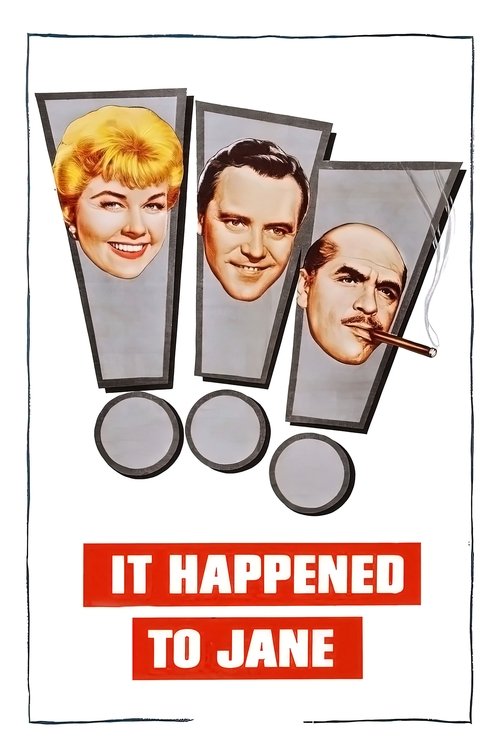
It Happened to Jane
1959
No user ratings available yet
Diversity score: 2.3 out of 10

1949
NRDirector
Norman Foster
Runtime
87 minutes
Average Rating
No ratings yetSynopsis
Marsha Meredith, an attorney-at-law, is nominated for a federal judgeship, but her nomination is opposed by a 'Good-Government' group that thinks her divorce makes her unfit for the job. This evolves into situations, happening in Florida, New England, Washington D.C., and the Adirondacks, such as the misunderstood husband trying to win back his wife, and the misunderstood wife trying to make her husband jealous, and one case of mistaken identity after another, after another.
Overall Score
Limited
Category Breakdown
LGBTQ+ Representation
The film operates within the conventional social parameters of the late 1940s. There is no evidence of LGBTQ+ characters or narratives that critique heteronormativity.
Gender Representation
Marsha Meredith occupies a position of professional authority as an attorney nominated for a federal judgeship. The plot highlights the tension between her professional merit and traditional domestic expectations.
Racial & Ethnic Diversity
The narrative appears focused on a homogeneous demographic typical of the 1940s studio system. There is no evidence of a non-white majority cast.
Religious & Cultural Diversity
The story functions within the framework of Western institutions and the American legal system. It focuses on social respectability rather than secularist or anti-Western critiques.
Disability Representation
There is no documented evidence of characters with visible or invisible disabilities. Disability is not utilized as a narrative device in this work.
Strengths
Areas for Improvement
AI Analysis
Tell It to the Judge is a product of its temporal context, adhering to the traditional social structures of 1949. Its primary progressive value is the depiction of female professional agency through a protagonist navigating the legal sphere. However, the film lacks intersectional representation. It reflects the standard casting practices and social norms of the mid-century Hollywood studio system, resulting in a limited scope of diversity. While it critiques social morality as a barrier to institutional advancement, the overall narrative remains rooted in conventional mid-century frameworks.
1959
1954
1954

1933
1951

1941
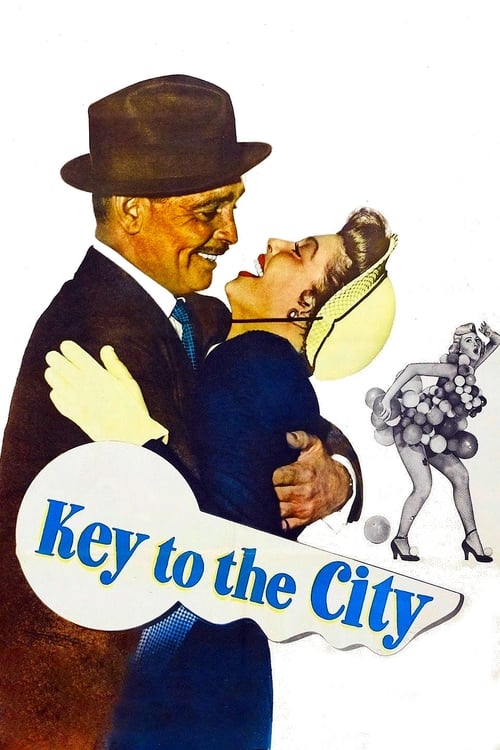
1950
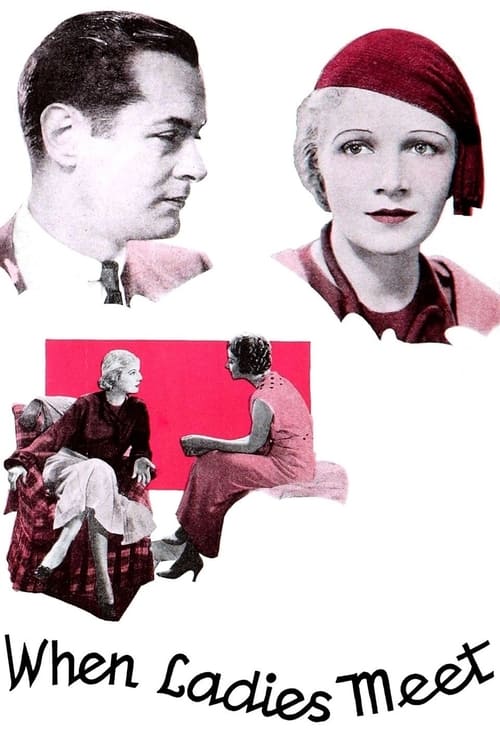
1933
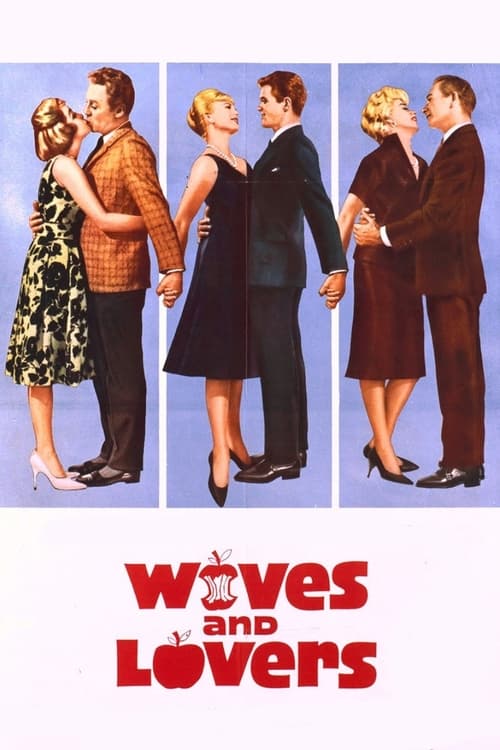
1963

1949
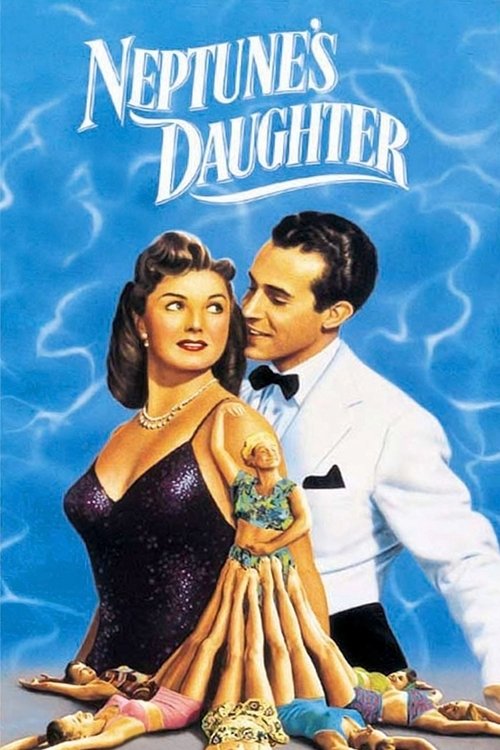
1949
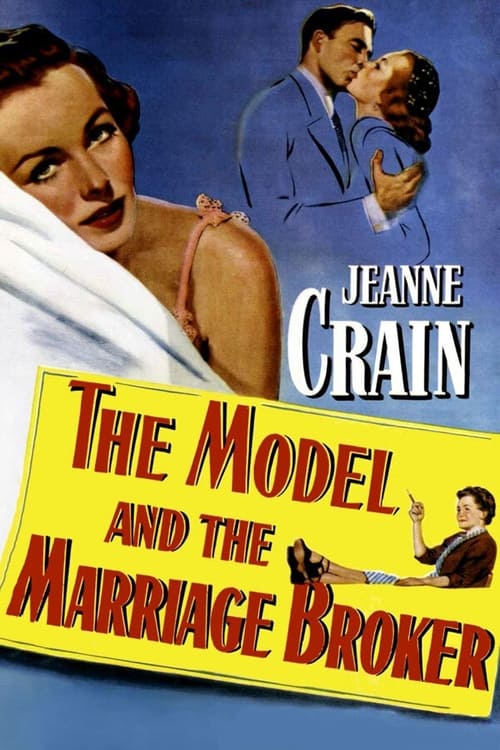
1951
No reviews yet. Be the first to share your thoughts on this movie!
Use the rating form above to leave a star rating and optional review.