The Divorce of Lady X
1938
No user ratings available yet
Diversity score: 2.6 out of 10
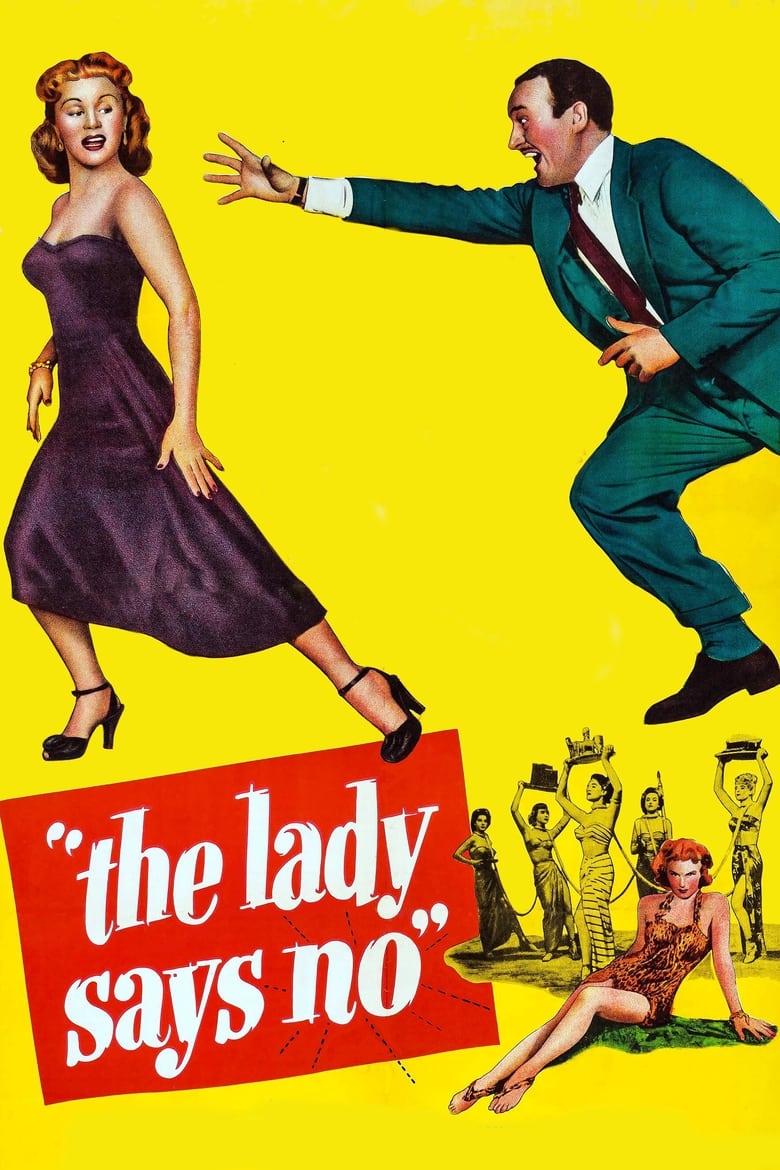
1952
Not RatedDirector
Frank Ross
Runtime
80 minutes
Average Rating
No ratings yetSynopsis
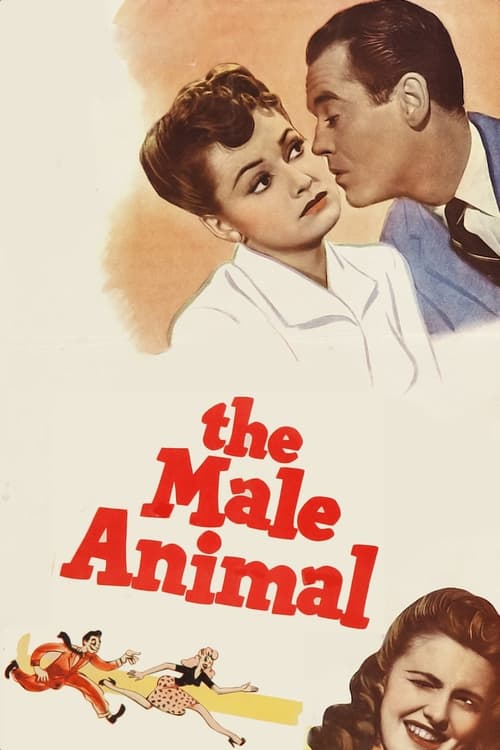
The feminist author of a national best-seller titled The Lady Says No meets a sexist magazine photographer and decides she'd rather say yes.
Overall Score
Limited
Category Breakdown
LGBTQ+ Representation
The film focuses on a heterosexual romantic tension between a female author and a male photographer. There is no evidence of non-cisnormative identities or critiques of heteronormativity.
Gender Representation
The protagonist possesses intellectual agency as a successful author. However, the plot moves toward her romantic surrender to a sexist male counterpart, reinforcing traditional social hierarchies.
Racial & Ethnic Diversity
The production likely adheres to the homogeneous casting standards of 1952. There is no evidence of non-white protagonists or integrated social settings within the narrative.
Religious & Cultural Diversity
The story operates within the standard moral and social frameworks of the early 1950s. It emphasizes romantic courtship and traditional social mores over institutional critique.
Disability Representation
The available data does not contain information regarding the depiction of physical or neurodivergent characters.
Strengths
Areas for Improvement
AI Analysis
The film functions as a product of the mid-century studio system, prioritizing conventional romantic tropes over social subversion. While it introduces a female protagonist with professional success, the narrative arc ultimately resolves through her submission to traditional gender roles. Diversity is limited by the era's casting and storytelling norms. The focus remains strictly on a heterosexual courtship, offering little to no representation for LGBTQ+ identities or diverse racial backgrounds. Ultimately, the film reinforces the social hierarchies of its time. The transition from female independence to romantic reconciliation suggests a reinforcement of 1950s patriarchal structures rather than a challenge to them.
1938
1950
1964
1937
1935
1943
1955
1931
1965
1935
1944
1942
No reviews yet. Be the first to share your thoughts on this movie!
Use the rating form above to leave a star rating and optional review.