
Follow the Fleet
1936
No user ratings available yet
Representation score: 0.4 out of 10
Representation Score
Minimal
1949
ApprovedDirector
Edward Buzzell
Runtime
95 minutes
Average Rating
No ratings yetNew Showbiz Analysis
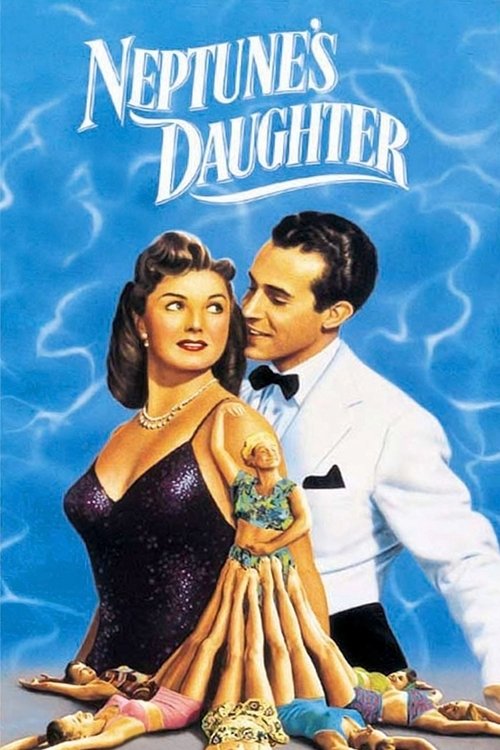
Neptune's Daughter is a quintessential mid-century MGM musical designed for escapist entertainment. It relies on classical romantic clichés and mistaken identity to drive its plot, prioritizing melodic resolution over social commentary. The film's primary subversion lies in its treatment of masculinity, replacing the era's standard warrior archetype with a lead defined by musical talent. This stylistic choice offers a soft departure from traditional male roles without challenging the broader social status quo. Ultimately, the production adheres to the hierarchical norms of the late 1940s. It lacks multi-layered complexity, focusing instead on reinforcing established cultural frameworks and Western social orders.
Category Breakdown
The film does not depict any LGBTQ+ identities or narratives that challenge traditional romantic structures. It operates within a framework that assumes everyone is straight or cisgender.
The film challenges the typical hyper-masculine archetype by centering a male lead whose strength comes from his musical abilities. However, female leads are often positioned within the spectacle tradition, tied to aesthetic and romantic roles.
The cast reflects the demographic homogeneity of 1940s studio productions. While there are mentions of South American connections, the visual representation remains predominantly Anglo-centric.
The narrative reinforces traditional Western social hierarchies and class stability. It lacks themes that deconstruct Western institutions, opting instead for a romanticized view of monarchy.
There are no visible or invisible disabilities portrayed as central to the narrative or character's ability to drive the story.
Present on Screen
Limited or Absent
Official Synopsis
Scatterbrained Betty Barrett mistakes masseur Jack Spratt for Jose O'Rourke, the captain of the South American polo team. Spratt goes along with the charade, but the situation becomes more complicated when they fall in love. Meanwhile, Betty's sensible older sister Eve fears Betty's heart will be broken when Jose returns to South America. She arranges to meet with the real O'Rourke and love soon blossoms between them as well.
1936

1937
1938
1951
1953

1935

1947

1944
No reviews yet. Be the first to share your thoughts on this movie!
Use the rating form above to leave a star rating and optional review.