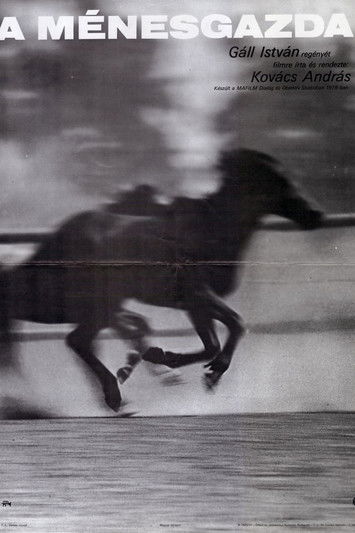
The Stud Farm
1978
No user ratings available yet
Representation score: 4.6 out of 10

Representation Score
Fair
1971
Director
Gheorghe Vitanidis
Runtime
104 minutes
Average Rating
No ratings yetNew Showbiz Analysis
The film functions as a period drama that uses class struggle to challenge social stability. It succeeds in using a specific historical transition to critique systemic cruelty and traditionalist power structures. However, the work remains limited by the era's homogeneity. It lacks modern multi-layered markers, particularly regarding LGBTQ+ identities and racial diversity, focusing instead on socio-political class friction. Ultimately, the film's strength lies in its systemic critique rather than its breadth of identity representation.
Category Breakdown
The film does not include any explicit LGBTQ+ characters or explore non-straight relationships. The story revolves around a traditional conflict between a student and a horse owner.
A female protagonist drives the narrative, navigating class tensions as an active observer. The plot critiques masculine dominance through her reaction to the male lead's cruelty.
The film reflects the ethnic homogeneity of 1971 Romania. It prioritizes class distinctions over racial or ethnic diversity, lacking the multi-layered breadth of modern cinema.
The narrative critiques capitalist models by framing the story around the 1948 nationalization. It uses the destruction of horses to challenge traditionalist power and resource hoarding.
There is no evidence of characters with visible or invisible disabilities within the narrative.
Present on Screen
Limited or Absent
Official Synopsis
Around the nationalization in 1948, a worker's daughter, as a student, is attracted by the social life offered by a breed horse owner. The relationship will sour by the cruelty with which he kills the horses, rather then give them away.
1978

1930
1992
1946
1960

1945
1941

2005
No reviews yet. Be the first to share your thoughts on this movie!
Use the rating form above to leave a star rating and optional review.