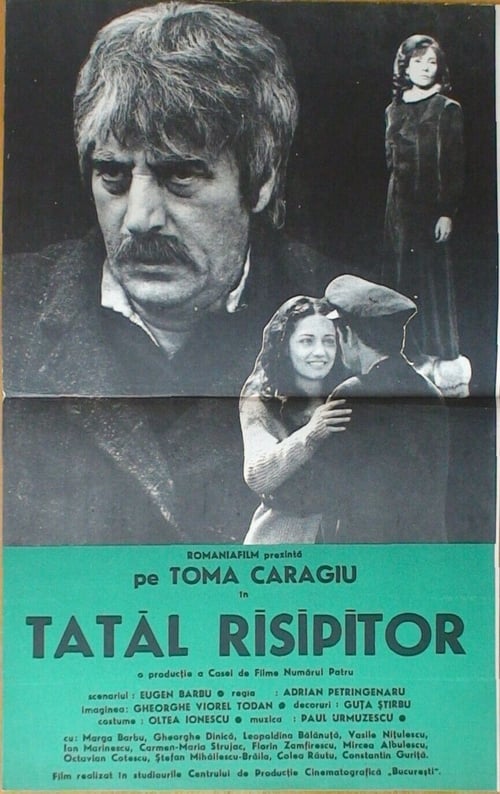
The Prodigal Father
1974
No user ratings available yet
Representation score: 4.5 out of 10
Representation Score
Limited
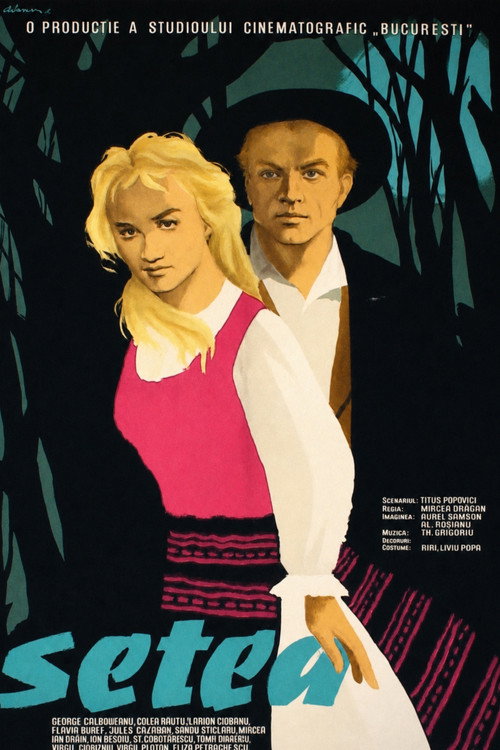
1960
Director
Mihai Iacob, Mircea Drăgan
Runtime
124 minutes
Average Rating
No ratings yetNew Showbiz Analysis
The Thirst is a period drama centered on the socioeconomic shifts of the Romanian People's Republic. It deconstructs class-based power dynamics through agrarian reform and the dismantling of the boyar class. While the film effectively critiques traditional landed hierarchies, it lacks modern multi-layered diversity. The narrative focuses on domestic class struggle, resulting in an ethnically homogeneous cast and a lack of representation for LGBTQ+ identities or disabilities. Ultimately, the film serves as a specialized critique of historical hierarchies, prioritizing the collective social order over individualist or diverse identity-based storytelling.
Category Breakdown
The film does not depict any non-binary gender identities or same-sex relationships. It focuses on class struggles typical of 1960s Eastern European cinema.
The film likely uses traditional gender roles to highlight changes in class power. Although the dismantling of boyar land ownership disrupts patriarchal hierarchies, there is no clear evidence of women taking a leading role in the story.
The production features an ethnically uniform cast, reflecting its Romanian geopolitical context. The narrative emphasizes internal class distinctions without exploring multi-layered racial or ethnic diversity.
The film strongly critiques traditional landed aristocracy and private capital. It portrays the shift to agrarian reform as a necessary social evolution towards collective interests.
There is no documented evidence of characters with physical or neurodivergent disabilities within the film's narrative.
Present on Screen
Limited or Absent
Official Synopsis
The communists are taking over the boyar land and do the agrarian reform.
1974

1930
1976

1964
1976

1951

1982
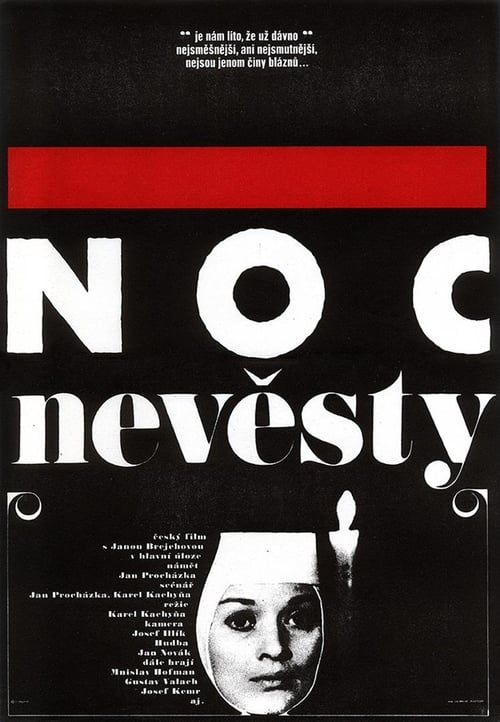
1967
No reviews yet. Be the first to share your thoughts on this movie!
Use the rating form above to leave a star rating and optional review.