Ape and Super-Ape
1972
No user ratings available yet
Representation score: 7.3 out of 10
Representation Score
Minimal
1961
Director
Bert Haanstra
Runtime
10 minutes
Average Rating
No ratings yetNew Showbiz Analysis
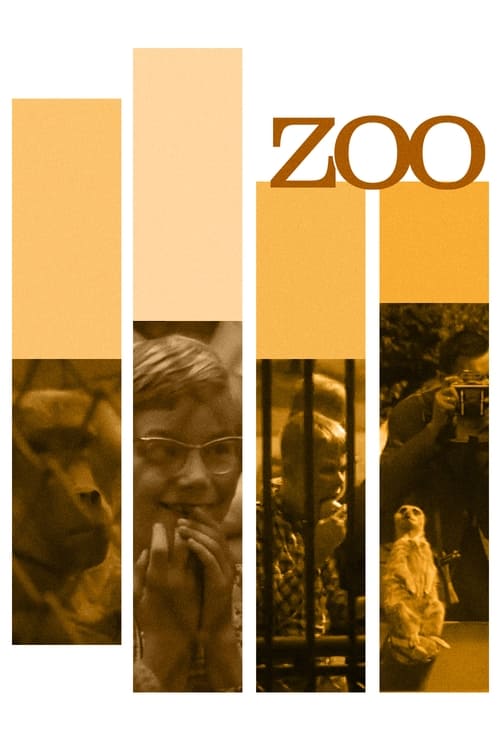
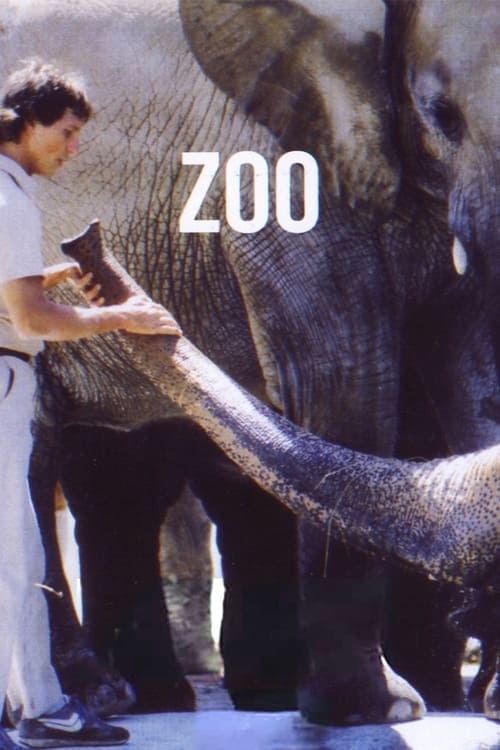
Bert Haanstra’s *Zoo* is a formalist exploration of cinematic rhythm rather than a study of human social dynamics. Through the use of a hidden camera and the omission of dialogue, the film highlights the rhythmic similarities between humans and animals via montage. Since the film avoids human narrative and characterization, it operates outside traditional frameworks of identity politics. While it does not actively promote traditional hierarchies, it lacks the character-driven ability to act necessary for characters who reflect more than one aspect of diversity. The film’s significance lies in its use of movement to highlight commonalities between species, rather than in the depiction of human social structures.
Category Breakdown
Since the film focuses solely on animal subjects without any human characters or dialogue, there is no depiction of sexual orientation.
With no human cast members and no narrative character arcs, the film does not depict gendered social roles or subvert gender hierarchies.
The film concentrates entirely on the natural movements of animals, functioning as a rhythmic study of movement rather than a vehicle for racial or ethnic themes.
By avoiding human commentary, the film steers clear of promoting singular moralities. However, the zoo setting remains a traditional Western institution.
As there are no human subjects depicted in this work, there is no representation of physical or neurodivergent disabilities.
Present on Screen
Limited or Absent
Official Synopsis
A perfect, fast and hilarious montage. Using images from Artis (Amsterdam Zoo), Bert Haanstra shows that a couple of similarities can be discovered between human and animal. Particularly the manner in which human and ape are confronted with each other, is significant. The images speak for themselves, human voices or commentary is absent. The ironic music of Pim Jacobs does add an extra dimension to the whole. With regards to human and animal Haanstra limits himself for the time being to this short film, recorded with a hidden camera. Later on, in several big films, he would return to this subject.
1972
2016
1984
2011

2010
1990
1896
1993
No reviews yet. Be the first to share your thoughts on this movie!
Use the rating form above to leave a star rating and optional review.