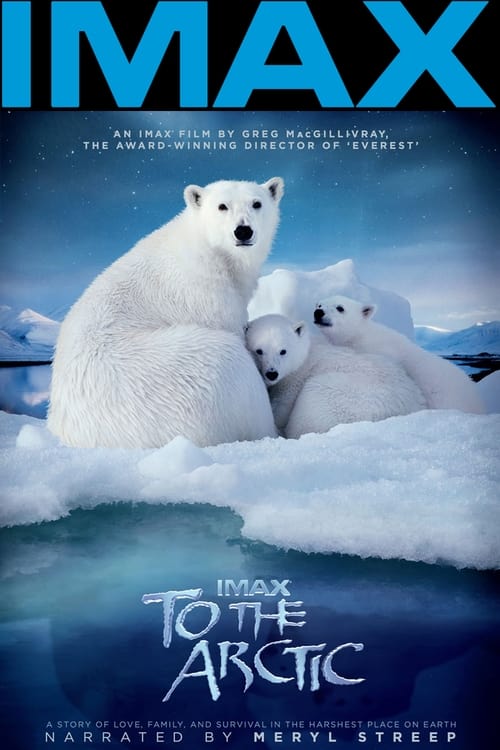
To the Arctic 3D
2012
No user ratings available yet
Representation score: 0.6 out of 10
Representation Score
Minimal
2011
Director
John Downer
Runtime
100 minutes
Average Rating
No ratings yetNew Showbiz Analysis
This nature documentary focuses solely on the biological mating cycles and survival strategies of polar bears. It operates outside the realm of human identity politics, concentrating instead on non-human subjects and ecological processes. Since there are no human characters, the film does not engage with social hierarchies, diverse identities, or cultural institutions. The narrative structure is purely biological, emphasizing survival in a changing environment without addressing social or political issues.
Category Breakdown
The film contains no depictions of human gender identities or sexual orientations. It focuses exclusively on the biological mating cycles of polar bears following standard evolutionary patterns.
The documentary depicts biological gender roles, such as cub rearing and male territorial competition. It observes naturalistic biological imperatives rather than engaging with gender as a social construct.
There is no human cast or characters present in this film. The setting is a remote, uninhabited Arctic landscape with no opportunity for racial or ethnic representation.
The narrative centers on the environmental impact of shrinking habitats. It follows standard ecological documentary clichés rather than deconstructing human institutions like religion or patriotism.
The film does not feature human characters. Consequently, it does not address neurodivergence, physical disabilities, or mental health conditions within a social context.
Present on Screen
Limited or Absent
Official Synopsis
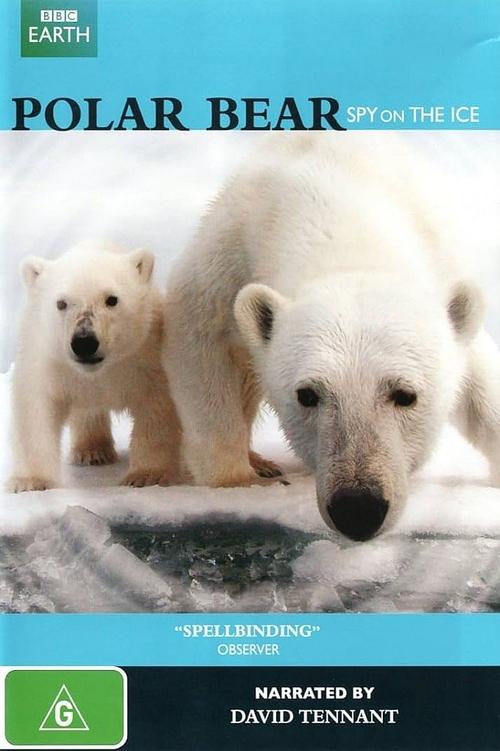
Shot mainly using spy cameras, this film gets closer than ever before to the world's greatest land predator. As the film captures its intimate portrait of polar bears' lives, it reveals how their intelligence and curiosity help them cope in a world of shrinking ice.
2012

2016

2004
2021

2004
2014

2012
2007
No reviews yet. Be the first to share your thoughts on this movie!
Use the rating form above to leave a star rating and optional review.