
Ape and Super-Ape
1972
No user ratings available yet
Representation score: 7.3 out of 10
Representation Score
Good
1984
Director
Bert Haanstra
Runtime
55 minutes
Average Rating
No ratings yetNew Showbiz Analysis
Bert Haanstra’s documentary serves as a sophisticated study of social architecture through an ethological lens. By observing the chimpanzees at Burgers Dierenpark, the film uses non-human subjects to deconstruct human-centric notions of morality and order. The work excels at using biological metaphors to explore complex group dynamics. It challenges conventional social structures by presenting chaotic, non-conformist behaviors as natural and essential components of a functioning community. While the film lacks human identity politics, its focus on organic social strategies provides a profound commentary on the universal nature of power and intimacy.
Category Breakdown
The film captures natural behaviors and social bonds among chimpanzees, including various forms of intimacy and non-traditional relationships. However, the absence of human character development keeps the score moderate.
The documentary offers a nuanced look at gender roles, including motherly behavior and power struggles. It challenges traditional hierarchies by highlighting the distribution of strength and intellect within the community.
The film uses the chimpanzee community as a metaphor for racial and ethnic diversity. The complex social strategies of the primates serve as a cinematic parallel to human social integration.
By focusing on scientific ethology rather than religious frameworks, the film promotes moral relativism. It challenges Western social superiority by showing that complex hierarchies are a universal biological reality.
There is no explicit evidence regarding the depiction of physical or neurodivergent disabilities within the chimpanzee community.
Present on Screen
Limited or Absent
Official Synopsis
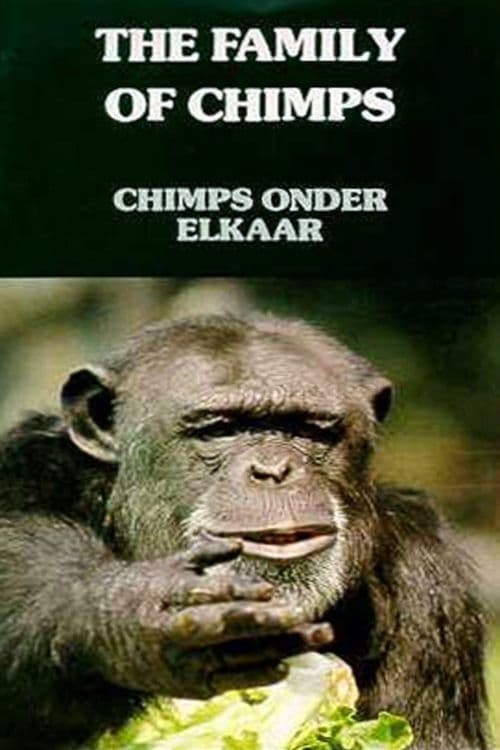
A subtle account of the chimpanzees' behaviour in Burgers Dierenpark in Arnhem, on the occasion of the publication of the book Chimpansee Politiek by ethologist Dr. Frans de Waal. A unique experiment shows us how complex the social strategies in the community of this fascinating anthropoid ape are. Haanstra managed to capture almost all aspects of chimpanzee behaviour: display of skill, teasing and pestering, grooming, resting, playing, motherly behaviour, submission, sex and violence. Eventually, the film was also screened to the apes.
1972

2016

2010

2011

1961

1996

2017
2012
No reviews yet. Be the first to share your thoughts on this movie!
Use the rating form above to leave a star rating and optional review.