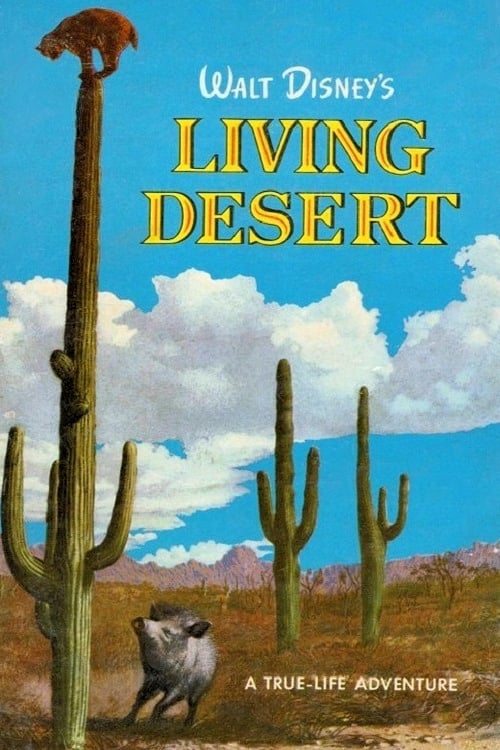
The Living Desert
1953
No user ratings available yet
Diversity score: 1.0 out of 10
1896
Not RatedDirector
Alexandre Promio
Runtime
1 minutes
Average Rating
No ratings yetSynopsis
A male lion, right next to bars that are about 6 or 8 inches apart, keenly watches a uniformed zoo attendant toss small morsels of food into the cage. The lion alternates between finding the food on the cage floor and reaching through the bars to swipe at the man, who stays alarmingly close to the beast. In the background are the large rocks and brick wall at the back of the lion's habitat.
Overall Score
Minimal
Category Breakdown
LGBTQ+ Representation
The film contains no human subjects capable of expressing gender identity or sexual orientation. The focus remains strictly on the biological interaction between the lion and the attendant.
Gender Representation
There is no depiction of gendered social hierarchies or interpersonal dynamics. The brevity of the footage precludes any analysis of gendered agency or the subversion of traditional roles.
Racial & Ethnic Diversity
The visual field is dominated by the animal subject and architectural elements. The setting reflects the homogeneous institutional environment of late 19th-century London.
Religious & Cultural Diversity
The film serves as a historical artifact of Western institutionalism and colonial-era practices. It documents the era's fascination with observing 'the wild' within a structured, Western scientific framework.
Disability Representation
The film does not feature characters with visible or invisible disabilities. It does not engage with themes of neurodivergence or physical impairment.
Strengths
Areas for Improvement
AI Analysis
As a primitive documentary short from the Lumière era, this film functions as an observational study of a captive predator. Its primary purpose is to capture the kinetic interaction between a lion and a zoo attendant rather than to explore human social dynamics. Because the work lacks a traditional narrative architecture, it lacks the capacity for complex character-driven representation. The focus is entirely on the biological and physical relationship between the animal and its caretaker within a zoological setting. The low diversity score is a reflection of the film's genre and historical era. It is a brief ethnographic observation that does not possess the narrative complexity required to engage with intersectional themes or social hierarchies.
1953

2004
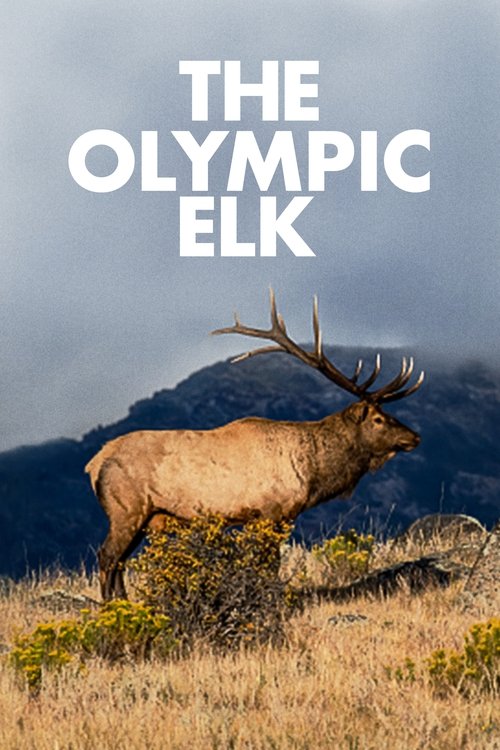
1952
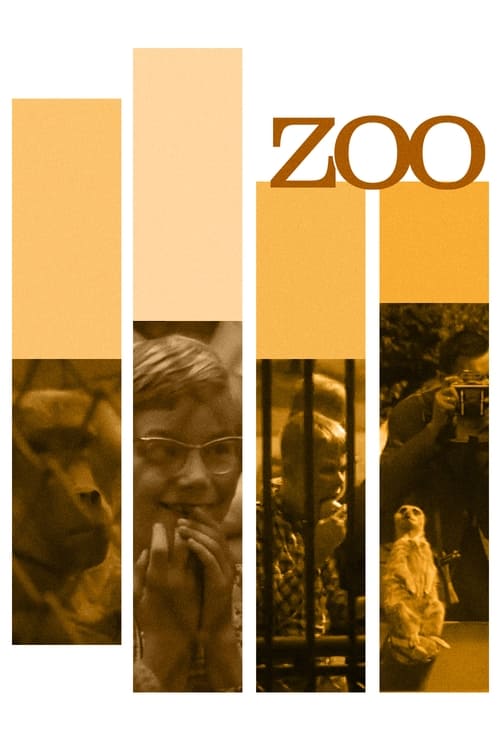
1961
1955
1982
2016

2019
1896
2004

2012
1941
No reviews yet. Be the first to share your thoughts on this movie!
Use the rating form above to leave a star rating and optional review.