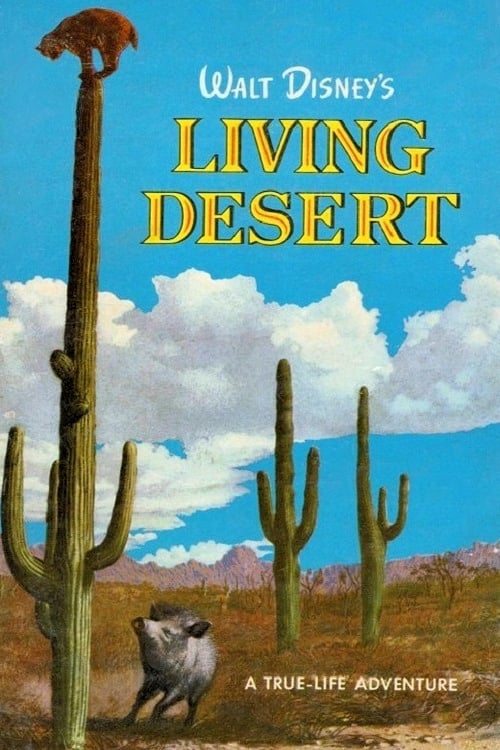
The Living Desert
1953
No user ratings available yet
Diversity score: 1.0 out of 10
1952
Director
James Algar
Runtime
27 minutes
Average Rating
No ratings yetSynopsis
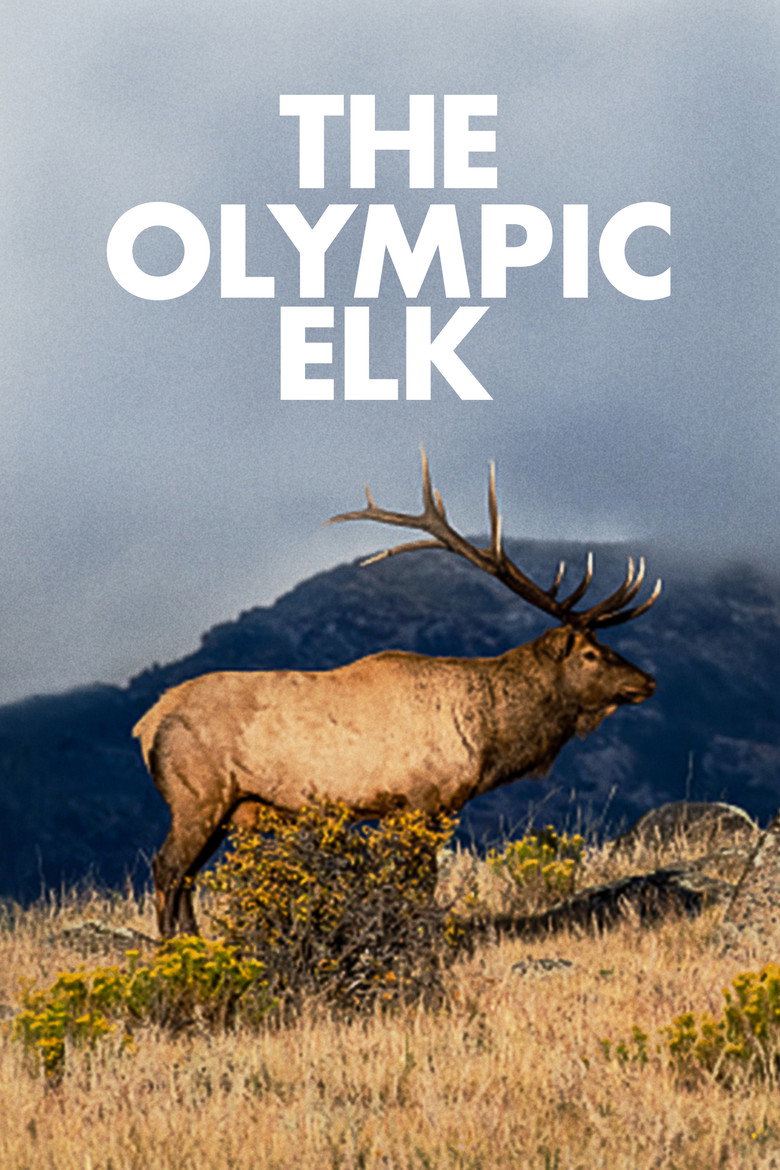
Part of the "True-Life Adventure Series"; The subject of this two-reel are the elk of Washington state's Olympic Peninsula. We see these deer learning to walk, climbing downhill in a herd, and braving local bears. Those, plus some colorful arctic flowers, are the nice bits. We also see the elk engaging in duels (something amusingly observed and "imitated" by marmots), athletic fights with deadlocks said to often end in death by starvation to both participants. If that brutish behavior isn't enough to turn you off, then wait until you see how the polygamous bull males gather up wives and do battle with another (with wives as a wager) before unmelodically announcing the end of their bachelorhood.
Overall Score
Minimal
Category Breakdown
LGBTQ+ Representation
The film focuses exclusively on non-human wildlife. There are no human characters or depictions of non-cisnormative identities present.
Gender Representation
As a nature documentary observing animal behavior, the film does not utilize human gender roles. The focus remains entirely on biological species survival.
Racial & Ethnic Diversity
The subject matter is strictly zoological. Because there is no human cast, racial or ethnic representation is inapplicable to this work.
Religious & Cultural Diversity
The film follows a traditional, observational 1950s documentary style. It functions as a neutral observation of nature without exploring systemic power dynamics.
Disability Representation
There are no human characters depicted in the film. Consequently, there is no representation of physical or neurodivergent disabilities.
Strengths
Areas for Improvement
AI Analysis
The Olympic Elk is a mid-century wildlife documentary centered on the migratory patterns of elk in Washington's Olympic Peninsula. Because the narrative architecture is designed to observe biological imperatives, it lacks the framework to address human social structures or identity politics. The film's low diversity score is a result of its genre rather than an active promotion of exclusionary values. It is a study of ecological observation that inherently precludes the exploration of intersectional human identities. Ultimately, the work serves as a naturalistic observation of the animal kingdom, making human-centric diversity metrics irrelevant to its content.
1953

1953
1956
1958
1954

1951
1961
2016
1982
1955
1939

2004
No reviews yet. Be the first to share your thoughts on this movie!
Use the rating form above to leave a star rating and optional review.