The Secret Life of Cats
2014
No user ratings available yet
Representation score: 4.0 out of 10
Representation Score
Minimal
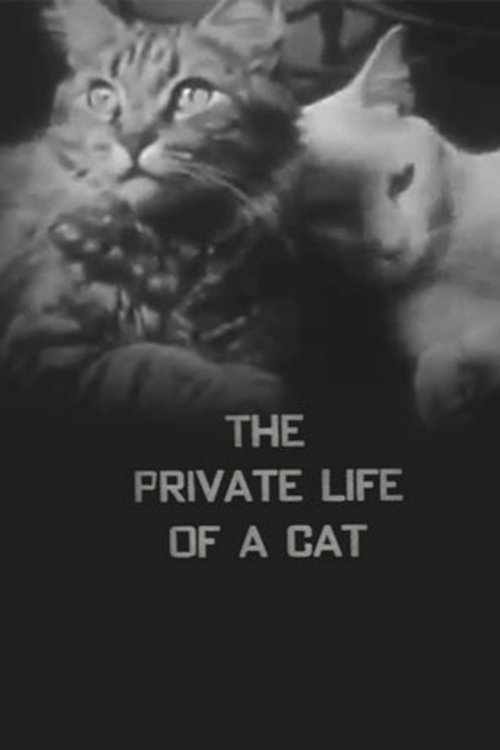
1946
Director
Alexander Hammid
Runtime
22 minutes
Average Rating
No ratings yetNew Showbiz Analysis
This experimental documentary serves as a poetic study of a cat's life, avoiding human sociological themes. By focusing on a non-human subject, the film steers clear of human-centric narratives and identity politics. The creative approach prioritizes aesthetic and rhythmic exploration over conventional storytelling. Ultimately, the work stands as a specialized, non-human study, offering a departure from typical cultural narratives through its focus on pure cinema.
Category Breakdown
Since the film focuses solely on the life of a domestic animal, there are no human characters to depict LGBTQ+ identities or gender identities.
The subject matter is strictly about a cat, so the film does not explore human gender roles or dynamics.
The film centers on a cat's domestic life, so there are no human characters to explore racial or ethnic identities.
The film emphasizes rhythmic editing and sensory experience, avoiding traditional Western storytelling clichés. It presents a secular, non-human perspective by focusing on the cat's movements rather than human social institutions.
Since the film focuses on a cat's natural movements, there are no human characters to depict neurodivergence, physical disabilities, or mental health conditions.
Present on Screen
Limited or Absent
Official Synopsis
An intimate study of the life of a domestic cat, taking place over a period of months as she gives birth to a litter of kittens and cares for them as they grow.
2014

1978
2015
1996

2012

2016

2017

2017
No reviews yet. Be the first to share your thoughts on this movie!
Use the rating form above to leave a star rating and optional review.