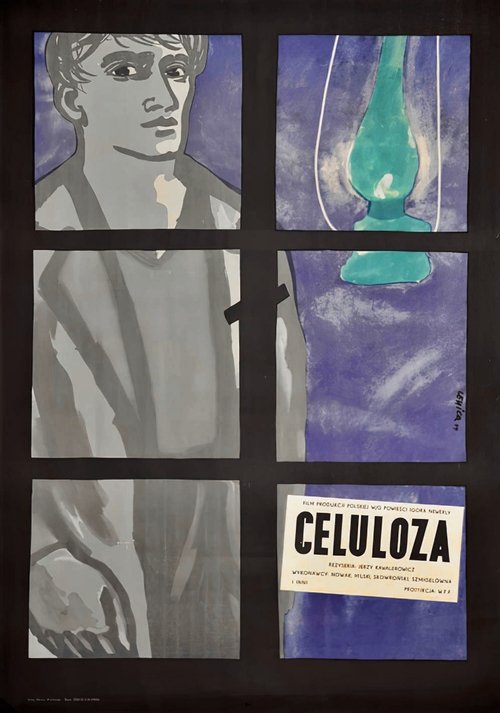
Cellulose
1954
No user ratings available yet
Representation score: 3.7 out of 10

Representation Score
Fair
1954
Director
Jerzy Kawalerowicz
Runtime
112 minutes
Average Rating
No ratings yetNew Showbiz Analysis
The film uses the Phrygian Star to explore ideological themes rather than representing diverse demographics. It emphasizes systemic political values and collective identity over individualist or religious frameworks. While the film effectively challenges Western capitalist and traditionalist cultural norms, it doesn't incorporate modern markers of complexity. The narrative structure engages with the socio-political tensions of post-war Poland through a cerebral lens. Overall, the film's focus is on the conflict between personal desires and ideological commitments, leaving little room for diverse social or identity-based representation.
Category Breakdown
The film doesn't include any explicit stories about LGBTQ+ individuals or relationships. The main romantic storyline follows traditional romantic structures centered around Szczęsny and Madzia.
Women like Madzia are involved in the revolutionary movement instead of being limited to domestic roles. However, the film doesn't deeply challenge traditional gender hierarchies.
The story focuses on class and political identity within the Eastern Bloc. The cast seems ethnically uniform, reflecting the era's emphasis on domestic communist revolutionary activities.
The film criticizes capitalist and traditional hierarchies by focusing on revolutionary activities. The Phrygian Star symbolizes a move towards a collective, secular, and politically driven morality.
The film does not mention any characters with physical or neurodivergent disabilities.
Present on Screen
Limited or Absent
Official Synopsis
Communist Szczęsny juggles between his revolutionary activities and love to a fellow party member Madzia in this sequel to "Cellulose".
1954

1930

1975

1985

1960

1995

1972

1961
No reviews yet. Be the first to share your thoughts on this movie!
Use the rating form above to leave a star rating and optional review.