
Miss Nobody
1996
No user ratings available yet
Representation score: 3.3 out of 10
Representation Score
Fair
1990
Director
Mariusz Treliński
Runtime
98 minutes
Average Rating
No ratings yetNew Showbiz Analysis
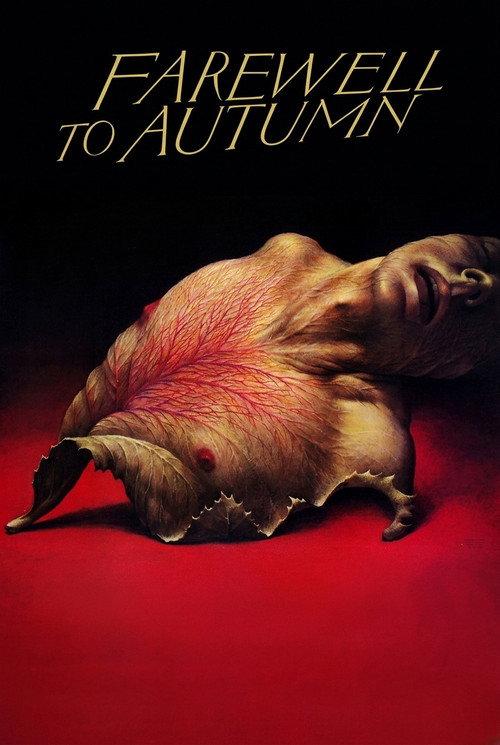
Farewell to Autumn is a period drama that primarily explores individual desires within the context of changing historical structures. It excels in its thematic complexity, particularly in critiquing traditional class hierarchies. However, the film lacks diverse representation in terms of race, ethnicity, and LGBTQ+ identities, reflecting the homogeneous nature of its specific historical setting.
Category Breakdown
The story focuses on a love triangle involving a man and two women, with no indication of LGBTQ+ identities or non-straight relationships.
Women play key roles in driving the emotional plot through contrasting characters. They are defined by their relationships to the male lead but still take central roles in the story.
The film is set in a specific Polish historical context and features a cast that reflects a homogeneous demographic with little diversity.
The story critiques class hierarchies and social structures through a lens of subjective hedonism, avoiding state-mandated or religious morality during a period of revolution.
There is no visible representation of physical or neurodivergent disabilities in the film.
Present on Screen
Limited or Absent
Official Synopsis
Atanazy Bazakbal navigates a destructive love triangle between his innocent fiancée Zofia and the decadent Hela Bertz while seeking meaning through hedonism. As their personal lives unravel, a communist revolution sweeps through Poland, crushing the aristocracy's old world.
1996
1985
1954
1964

2000
1984
1998
1999
No reviews yet. Be the first to share your thoughts on this movie!
Use the rating form above to leave a star rating and optional review.