Shivers
1981
No user ratings available yet
Representation score: 6.0 out of 10
Representation Score
Fair
1995
Director
Susan Kodicek
Runtime
113 minutes
Average Rating
No ratings yetNew Showbiz Analysis
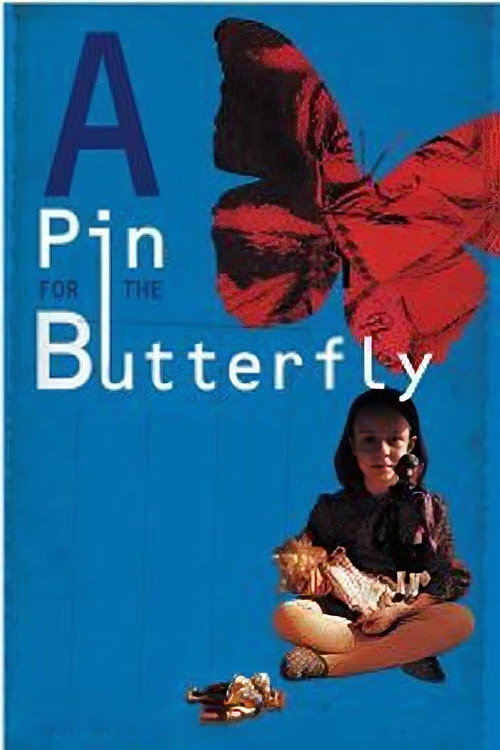
A Pin for the Butterfly is a character-driven critique of systemic authority. It succeeds by focusing on the emotional journey of a child against a dominant, oppressive state. The film's strength lies in its thematic deconstruction of institutional power. By using a young girl's perspective, it shifts the focus away from traditional patriarchal leadership. However, the film lacks verifiable data regarding LGBTQ+ and disability representation. The narrative's demographic breadth remains largely unconfirmed through the available information.
Category Breakdown
The film does not provide explicit examples of queer narratives or non-cisgender identities. Although the conflict with a monolithic state could include such themes, no specific characters are identified.
The story focuses on a young girl's perspective, challenging traditional patriarchal structures. This viewpoint uses a female gaze to explore political and social realities.
The setting within a communist regime suggests a specific geopolitical context. However, without specific casting details, the film maintains a neutral stance on ethnic representation.
The narrative strongly critiques centralized power and Western institutional norms. It highlights the individual's conflict with an oppressive state apparatus.
There is no information about the depiction of physical or neurodivergent characters in this work.
Present on Screen
Limited or Absent
Official Synopsis
Communism seen through the eyes of a young girl who watches her beloved uncle struggle with the oppressive government .
1981

1985
1991
1985
1984
2017
1990
2018
No reviews yet. Be the first to share your thoughts on this movie!
Use the rating form above to leave a star rating and optional review.