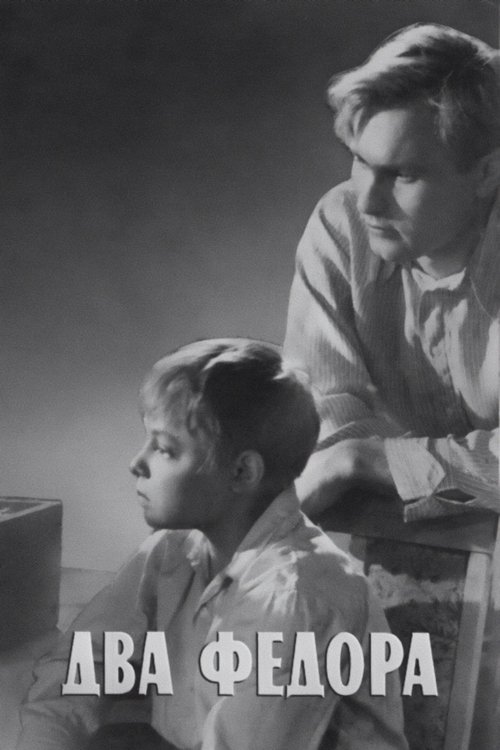
The Two Fedors
1958
No user ratings available yet
Diversity score: 4.9 out of 10

1927
Director
Fridrikh Ermler
Runtime
40 minutes
Average Rating
No ratings yetSynopsis
Komsomol girl Katya Karnakova, a darling of the small provincial town Old Lopsha, is seriously smitten with a fellow Komsomol and does not even try to hide this from others. After some time as a result of their affair, she becomes pregnant.
Overall Score
Limited
Category Breakdown
LGBTQ+ Representation
The film lacks explicit depictions of non-heteronormative identities. The narrative focuses on a traditional romantic entanglement between Katya and Andrei.
Gender Representation
Katya Karnakova serves as a central protagonist with social agency. Her role as a Komsomol member positions her as a driver of the film's emotional stakes.
Racial & Ethnic Diversity
The production reflects the ethnic homogeneity of a 1927 Soviet provincial town. There is no evidence of a multi-ethnic cast or diverse racial representation.
Religious & Cultural Diversity
The story prioritizes Soviet collective values over traditional religious or bourgeois structures. It explores situational ethics through the lens of the Komsomol youth organization.
Disability Representation
There is no mention of characters with visible or invisible disabilities within the narrative.
Strengths
Areas for Improvement
AI Analysis
The film is a period-specific social drama that challenges traditional Western moral frameworks. It replaces religious or patriarchal structures with the socio-political identity of the Komsomol. While the film offers a unique cultural perspective by centering on revolutionary collectivism, it lacks modern intersectional diversity. The cast and narrative appear limited by the era's demographic norms. Ultimately, the work functions as a study of individual impulse versus collective responsibility, though it remains narrow in its representation of race and sexual orientation.
1958

1954

1977

1973

1989

1976

1982
1955

2012

1971

1972

2014
No reviews yet. Be the first to share your thoughts on this movie!
Use the rating form above to leave a star rating and optional review.