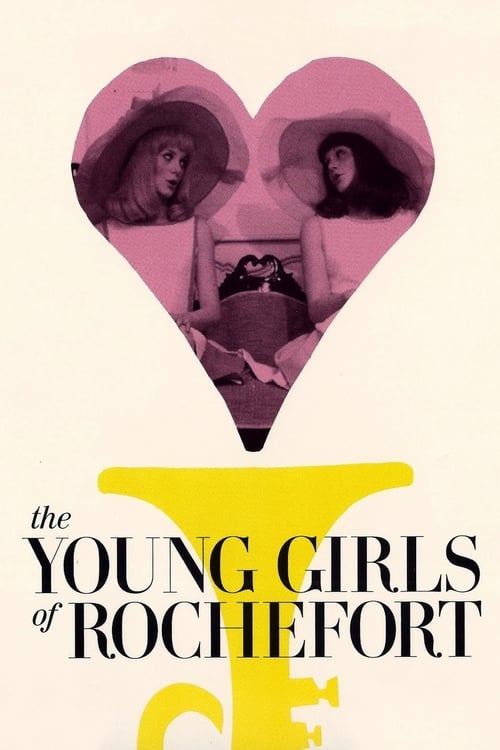
The Young Girls of Rochefort
1967
No user ratings available yet
Representation score: 4.6 out of 10
Representation Score
Limited
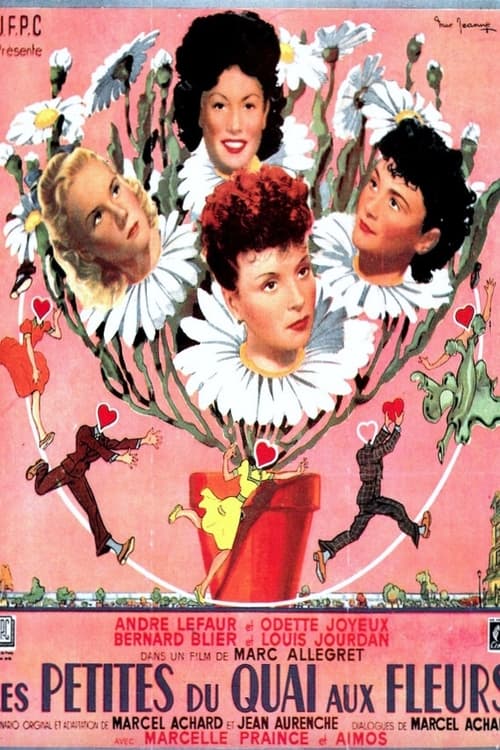
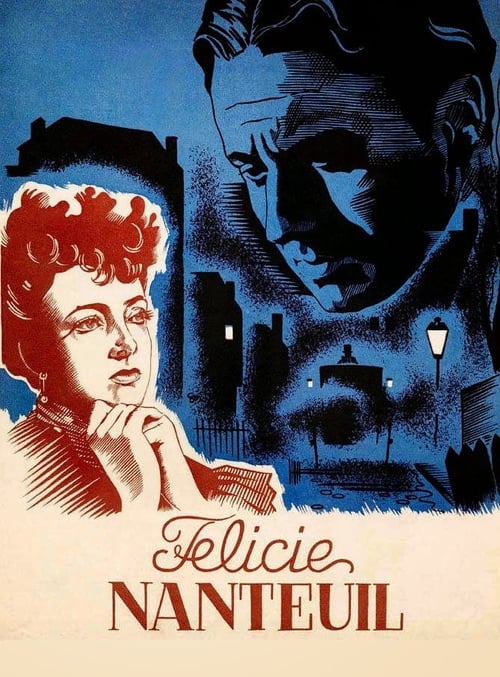
1944
Director
Marc Allégret
Runtime
92 minutes
Average Rating
No ratings yetNew Showbiz Analysis
The film is a period-specific romantic drama that adheres to the social and gender hierarchies of mid-20th-century French cinema. It prioritizes traditional familial roles and romantic resolutions over any subversion of established norms. While the female characters have economic power through their roles in the family bookstore, their primary narrative function revolves around emotional volatility and romantic triangles. The male characters serve as stabilizing forces or interveners in these domestic conflicts. Ultimately, the work reflects the homogeneous and conventional cinematic standards of 1944, offering very little in the way of diverse representation or cultural critique.
Category Breakdown
The film focuses on conventional romantic relationships and family structures. There is no depiction of non-straight relationships or same-sex intimacy.
Four daughters run a family bookstore, giving them economic power. However, the story is driven by romantic conflicts and traditional gender roles.
The film portrays a homogeneous social group. There is no indication of racial or ethnic diversity among the characters or in the bookstore setting.
The story emphasizes traditional Western values and the sanctity of the nuclear family. It reinforces social stability through conventional moral outcomes.
The narrative mentions suicidal thoughts but frames them as part of the romantic storyline. There is no specific portrayal of mental health issues or disabilities.
Present on Screen
Limited or Absent
Official Synopsis
A brave bookseller raises his four daughters alone, all of whom he employs in his shop. They are especially interested in their sentimental stories. Rosine, the youngest, falls in love with Francis, fiancé of Edith, the eldest. But Francis pushes her away and Rosine announces that she is going to commit suicide. Bertrand, a young doctor, decides to stop her by watching over her. After a few adventures, everything finally works out. Edith keeps her fiancé, the father, from whom the adventure has been hidden, returns to the usual course of his life and Bertrand and Rosine find themselves alone.
1967
1938
1938
1956
1942
1957
1944
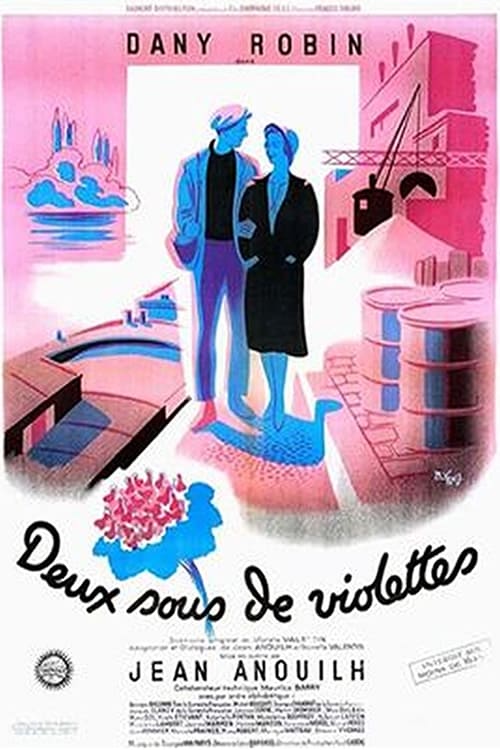
1951
No reviews yet. Be the first to share your thoughts on this movie!
Use the rating form above to leave a star rating and optional review.