Humiliated and Insulted
1990
No user ratings available yet
Representation score: 4.2 out of 10
Representation Score
Fair
1980
Director
Mikhail Shveitser
Runtime
240 minutes
Average Rating
No ratings yetNew Showbiz Analysis
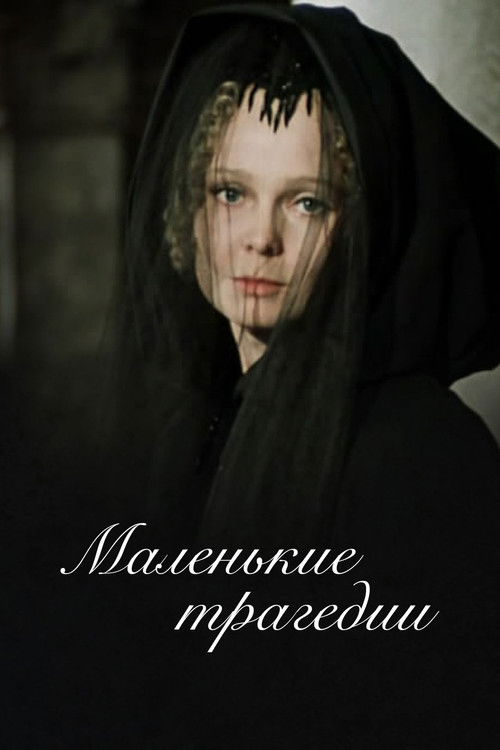
Mikhail Shveitser’s adaptation of Pushkin’s sketches is a traditionalist work that prioritizes classical literary fidelity. It functions as a series of dramatic vignettes exploring the darker impulses of the human condition through a historical lens. The production operates within a conventional framework, focusing on universal themes of tragedy and fatalism. Consequently, it lacks modern characters who reflect more than one aspect of diversity, adhering strictly to the archetypes and social demographics of 19th-century Russian literature. While the film offers depth in its exploration of psychological compulsion and existential struggle, it remains rooted in high-culture traditions that do not actively challenge contemporary standards of identity or diversity.
Category Breakdown
The film does not explicitly depict non-straight or non-cisgender identities or relationships. Sketches like Mozart and Salieri focus on intense psychological tension rather than sexual orientation.
Women often play roles defined by tragic or romantic clichés, frequently serving as catalysts for male conflicts. The narrative emphasizes masculine intellectual and existential struggles, reinforcing traditional gender hierarchies.
Casting is predominantly homogeneous, reflecting the ethnic and social demographics of 19th-century Russian literature. There are no efforts to diversify the Eurocentric or Slavic visual landscape.
The film aligns with non-Western philosophical frameworks by emphasizing subjective morality and fatalism. It explores human suffering and systemic fate rather than adhering to singular religious or state-sanctioned moralities.
Characters experience profound mental anguish and existential crises, but these are treated as genre clichés rather than nuanced depictions of neurodivergence. No characters with physical or sensory disabilities drive the narrative.
Present on Screen
Limited or Absent
Official Synopsis
Based on Pushkin's "Little Tragedies" ("The Miserly Knight", "Mozart and Salieri", "The Stone Guest", "A Feast in the Time of Plague").
1990
1987

1983
1999
1964
1979
1960
1972
No reviews yet. Be the first to share your thoughts on this movie!
Use the rating form above to leave a star rating and optional review.