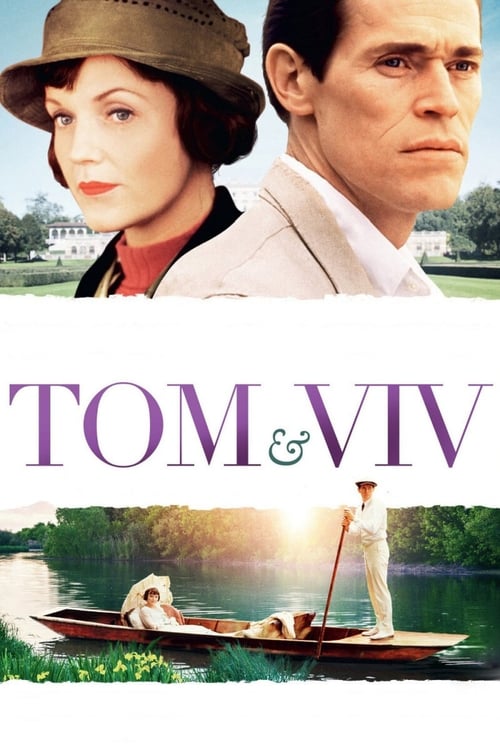
Tom & Viv
1994
No user ratings available yet
Diversity score: 2.6 out of 10

2002
Director
Jerzy Antczak
Average Rating
No ratings yetSynopsis
The biography of world famous Polish composer Fryderyk Chopin.
Overall Score
Limited
Category Breakdown
LGBTQ+ Representation
The film follows traditional heteronormative romantic structures centered on Chopin and George Sand. It lacks any depiction of same-sex intimacy or non-cisnormative identities.
Gender Representation
George Sand is portrayed as an independent, intellectual force rather than a passive muse. Her agency provides a strong counterpoint to the male-dominated artistic world of the 19th century.
Racial & Ethnic Diversity
The casting reflects the demographic homogeneity of 19th-century European aristocracy. The film prioritizes Polish national identity and historical accuracy over intersectional racial diversity.
Religious & Cultural Diversity
The narrative celebrates Polish patriotism and classical European romanticism. It focuses on individual artistic genius and national heritage rather than critiquing systemic power or institutions.
Disability Representation
Chopin’s struggle with tuberculosis is treated as a realistic, somber biographical element. His physical decline is woven into his artistic output without resorting to inspirational tropes.
Strengths
Areas for Improvement
AI Analysis
Jerzy Antczak’s biopic is a traditional historical drama that prioritizes biographical realism and national heritage. It succeeds in providing a nuanced, agentic portrayal of George Sand, moving beyond the standard female muse trope. However, the film remains confined to the social and demographic boundaries of its 19th-century setting. It lacks intersectional complexity and does not engage with contemporary social critiques, focusing instead on classical romanticism and individual genius. Ultimately, the film is a faithful period piece that honors Polish identity but offers little in the way of modern identity-driven narrative diversity.
1994
2002

1992

1999
2002

1996
1976

1996
2009
1960
1971

2006
No reviews yet. Be the first to share your thoughts on this movie!
Use the rating form above to leave a star rating and optional review.