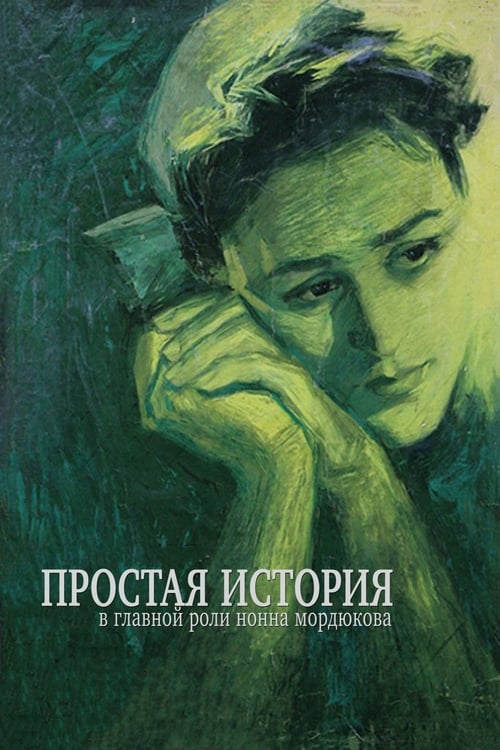
A Simple Story
1960
No user ratings available yet
Representation score: 5.5 out of 10

Representation Score
Good
1965
Director
Pavel Lyubimov
Runtime
106 minutes
Average Rating
No ratings yetNew Showbiz Analysis
Pavel Lyubimov’s *Women* is a significant example of Soviet social realism that shifts the focus away from male-driven heroism. By focusing on three female factory workers, the film prioritizes the ability to act and inner lives of women in a specific historical and socioeconomic context. The film stands out for its gender-centric narrative and its critique of capitalist structures, emphasizing communal bonds. However, it reflects the limitations of its time, showing little visibility for LGBTQ+ identities and a lack of diverse ethnic casting. Ultimately, the work is a powerful exploration of emotional resilience and labor, offering a meaningful platform for female voices within a particular historical framework.
Category Breakdown
The film adheres to the social norms of 1965, focusing on traditional romantic relationships. It does not include any LGBTQ+ characters or narratives that question the assumption that everyone is straight or cisgender.
The film centers on female workers, challenging traditional gender roles. These women play a significant role in driving the story, dealing with both personal and industrial challenges.
The cast primarily consists of actors from similar backgrounds, reflecting the specific socioeconomic environment of a Soviet factory. While there is no intentional mixing of races, it still offers a glimpse into class-based representation.
The story emphasizes the collective experience of the working class rather than individual pursuits. It highlights the struggle for survival and connection within a socialist, communal context.
The film examines the physical demands of post-war labor but does not explicitly feature characters with disabilities. The focus remains on the broader socioeconomic challenges faced by the workforce.
Present on Screen
Limited or Absent
Official Synopsis
A melodrama set in the post-war years about three lonely women working at a furniture factory. A story of their hard life, love, simple joys and sorrows. The song “Waltz of Parting” is performed by actress Nina Sazonova. The song “Love is a Ring” is performed by singer Nina Brodskaya (voice over).
1960
1948
1969
1980
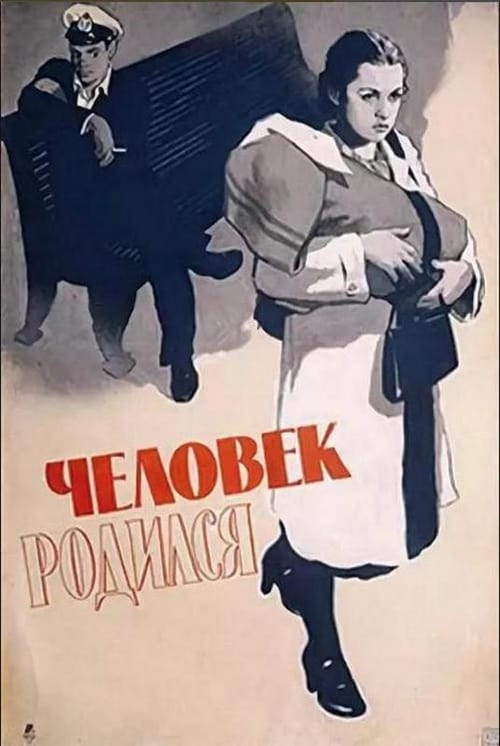
1956
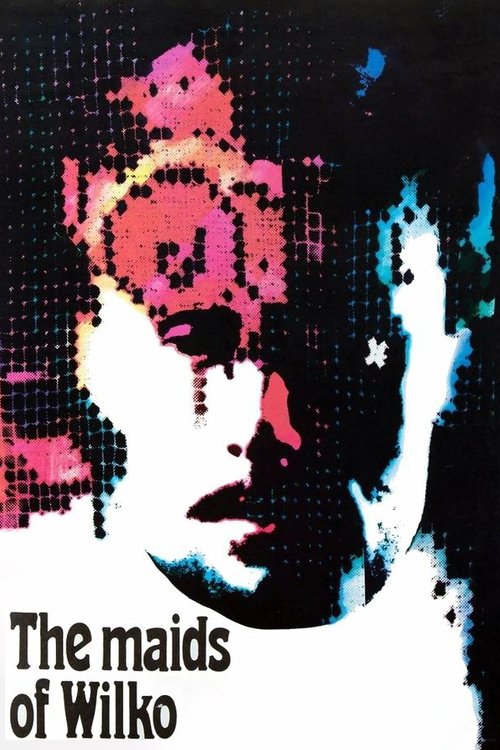
1979
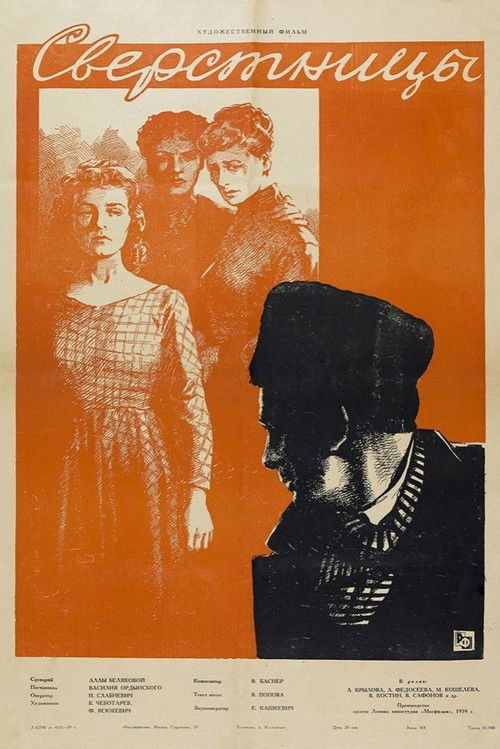
1959
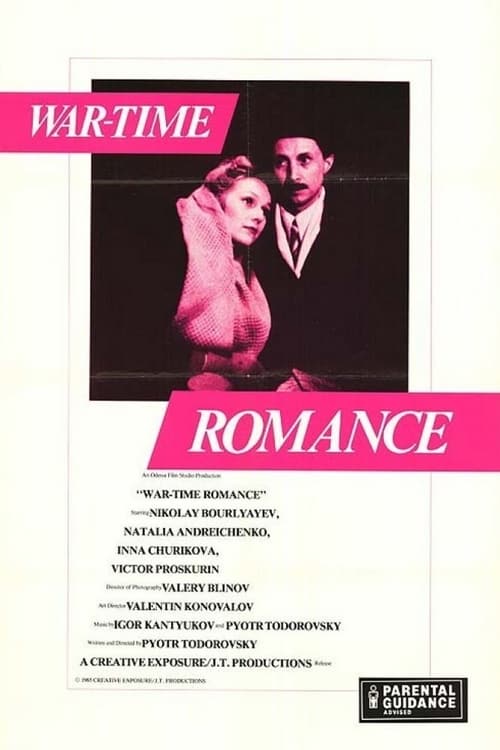
1983
No reviews yet. Be the first to share your thoughts on this movie!
Use the rating form above to leave a star rating and optional review.