
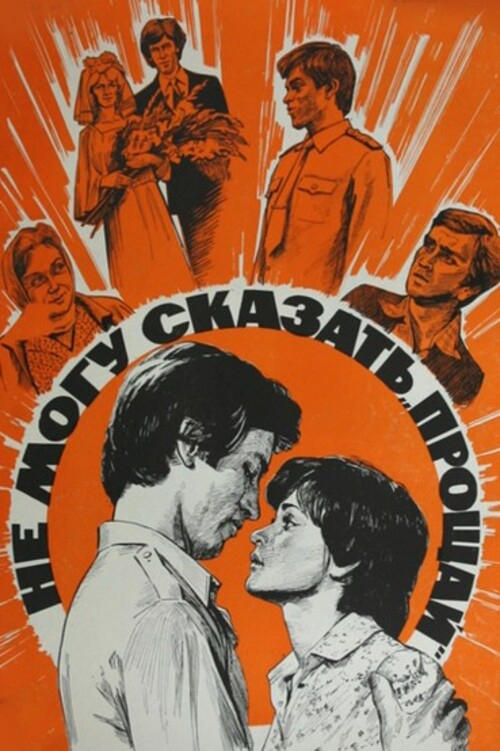
Autumn
1974
No user ratings available yet
Representation score: 5.6 out of 10
Representation Score
Fair
1982
Director
Boris Durov, Mark Levin
Runtime
91 minutes
Average Rating
No ratings yetNew Showbiz Analysis
The film stands out from typical period melodramas by emphasizing individual ability to act and psychological complexity over romantic idealism. Lida Tenyakova serves as a strong counterpoint to passive female archetypes, asserting herself through disruptive, assertive actions. While the film lacks racial and LGBTQ+ the way different parts of someone's identity overlap, it successfully explores moral ambiguity. The depiction of workplace negligence and its physical consequences adds a layer of grit to the romantic drama. Ultimately, the film functions as a study of human volatility. It shifts away from state-aligned idealism to focus on the breakdown of social expectations and the consequences of personal impulses.
Category Breakdown
The story focuses on traditional heterosexual relationships and marriage. There are no characters with non-cisgender identities or critiques of heterosexuality.
Lida Tenyakova drives her own emotional journey after betrayal. However, Marta's portrayal as a 'blonde beauty' relies on traditional beauty standards.
The film reflects the homogeneous demographics of its Soviet-era production. It lacks diverse racial backgrounds and multi-layered casting.
The narrative explores moral relativism and systemic neglect through village life, focusing on individual struggles.
Sergei’s paralysis is a central plot element that drives interpersonal dynamics. The condition carries significant narrative weight.
Present on Screen
Limited or Absent
Official Synopsis
A dramatic story about love, infidelity and betrayal...
1974
1961
1980
1964

1993

1958
1979
1990
No reviews yet. Be the first to share your thoughts on this movie!
Use the rating form above to leave a star rating and optional review.