Provocation
1996
No user ratings available yet
Diversity score: 4.0 out of 10
1986
Director
Roman Balayan
Runtime
74 minutes
Average Rating
No ratings yetSynopsis
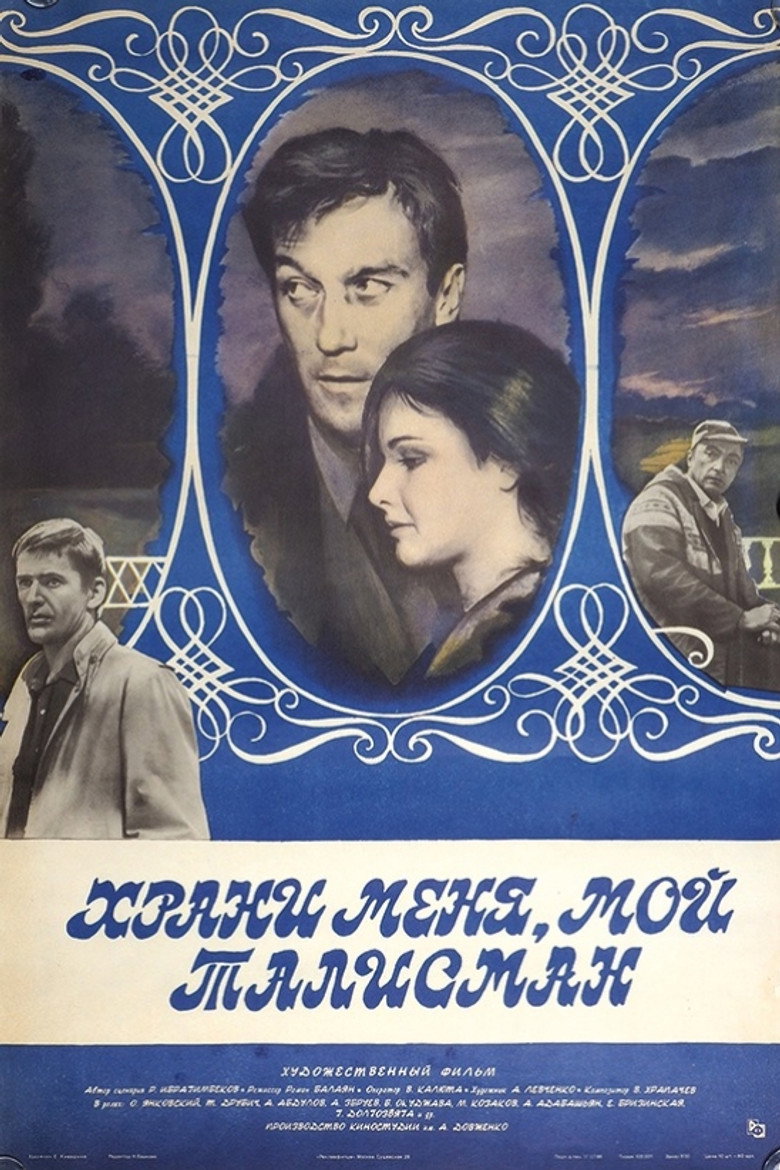
The setting for this off-beat drama of love and jealousy is the Pushkin Poetry Festival in Boldino. Liosha and his wife Tania are walking through the plush forest around Boldino when a mysterious figure pops up from behind a tree and asks the couple a question on an esoteric point of Pushkin scholarship. From that strange beginning, the man, whose name is Klimov, starts to ease himself into the couple's private space, and trouble ensues. Complementing this story is the festival itself, enactments of Pushkin's works, and emotional debates among the festival-goers over the meaning of his poetry.
Overall Score
Fair
Category Breakdown
LGBTQ+ Representation
The narrative centers on a heterosexual romantic dyad and the intrusion of a third party. There is no evidence of queer identities or non-cisnormative narratives.
Gender Representation
The film explores a married couple and the disruption of their private space. It moves toward complex, psychologically driven portrayals of partnership rather than idealized roles.
Racial & Ethnic Diversity
Set during a Russian poetry festival, the film appears ethnically homogeneous. There is no evidence of intersectional casting or racial blending in the narrative.
Religious & Cultural Diversity
The story prioritizes intellectual subjectivity and philosophical inquiry. It focuses on emotional debates and esoteric scholarship rather than dogmatic or institutional truths.
Disability Representation
The film provides no mention of characters possessing visible or invisible disabilities.
Strengths
Areas for Improvement
AI Analysis
Guard Me, My Talisman is a psychological study of intimacy and intellectualism. It prioritizes the interiority of its characters and the fragility of human connections over broad social representation. The film lacks significant demographic diversity, focusing instead on a traditional romantic framework and an ethnically homogeneous setting. It does not feature queer narratives or visible disability representation. However, the work earns credit for its commitment to moral relativism. By centering on subjective emotional truths and the deconstruction of domestic stability, it offers a sophisticated, non-didactic exploration of human relationships.
1996
1979

1997
1990

1972
1982

1982
1965
1976

2000

1993
1985
No reviews yet. Be the first to share your thoughts on this movie!
Use the rating form above to leave a star rating and optional review.