Autumn
1974
No user ratings available yet
Representation score: 5.6 out of 10
Representation Score
Limited
1979
Director
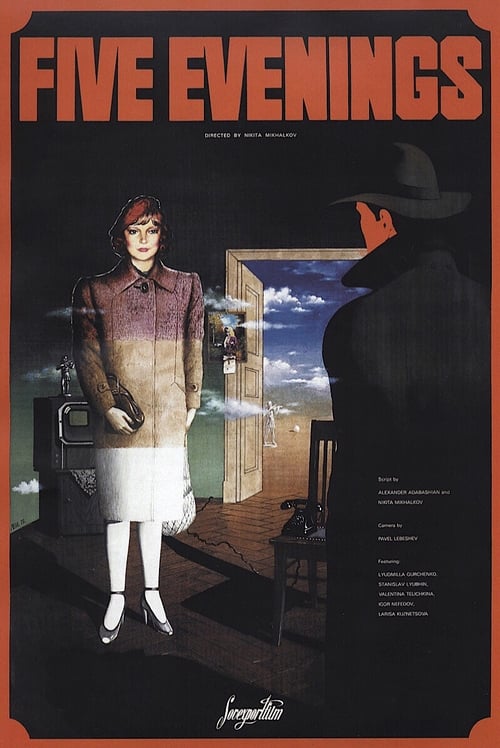
Nikita Mikhalkov
Runtime
103 minutes
Average Rating
No ratings yetNew Showbiz Analysis
Nikita Mikhalkov’s drama is a sophisticated character study that prioritizes psychological depth over broad social representation. It succeeds in humanizing individuals by avoiding idealized archetypes and focusing on emotionally authentic, mature arcs. However, the film is limited by its specific social context. The focus on the Soviet intelligentsia results in a homogeneous cast that lacks racial, ethnic, or LGBTQ+ diversity, reflecting the era's narrow demographic scope. Ultimately, the work trades broad characters who reflect more than one aspect of diversity for narrative nuance. It challenges romantic clichés through complex human connections rather than through systemic subversion of social hierarchies.
Category Breakdown
The film focuses on a traditional romantic reunion between a man and a woman, without including non-traditional gender identities or critiques of heterosexual norms.
The film presents Tamara Vasilyevna with a strong personal history rather than as a mere object of desire. It avoids the damsel-in-distress cliché by emphasizing the psychological weight carried by both main characters.
Set in 1950s Moscow, the film reflects the homogeneous demographic of the Soviet intelligentsia. There is no significant racial or ethnic diversity among the primary cast.
The film prioritizes individual experience and subjective morality over state-imposed codes. It functions as a character study that subtly challenges purely communal-focused storytelling.
The film does not focus on visible or invisible disabilities in its narrative or character descriptions.
Present on Screen
Limited or Absent
Official Synopsis
The end of the 1950s. Aleksandr Petrovich Ilyin travels to the city where he lived before the war. Visiting the telephone operator Zoya, he sees a familiar house through the window and decides to go there for only fifteen minutes. So Aleksandr gets into a communal apartment, where the love of his youth Tamara Vasilyevna lives. They met twenty years ago and fell in love, but the war separated them. Now Ilyin and Tamara Vasilyevna met again, and love broke out with renewed vigor...
1974
1987
1980

1971

1980
1958
1969

1970
No reviews yet. Be the first to share your thoughts on this movie!
Use the rating form above to leave a star rating and optional review.