A Woman in White
1965
No user ratings available yet
Representation score: 4.5 out of 10
Representation Score
Fair
1956
Director
Mimi Pollak
Runtime
79 minutes
Average Rating
No ratings yetNew Showbiz Analysis
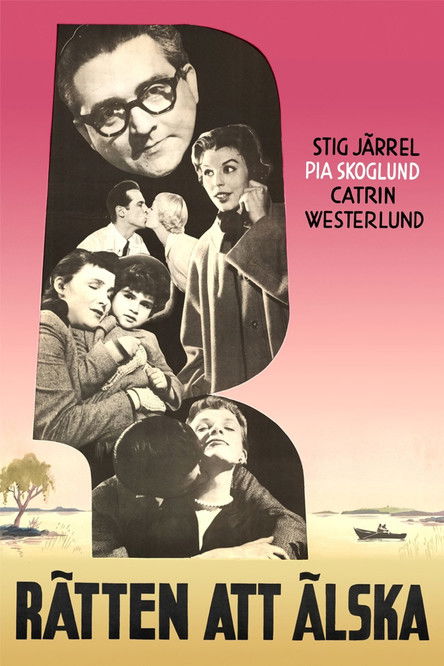
The Right to Love is a mid-century drama that highlights the tension between intellectual liberalism and everyday life. It stands out by challenging patriarchal structures through the lens of reproductive rights and bodily autonomy. While the film advances gender representation by highlighting a woman's autonomy, it remains confined by the demographic uniformity typical of 1950s Swedish cinema. The absence of LGBTQ+ and racial diversity limits its overall diversity score. Overall, the film offers a progressive critique of traditional social norms, using the contrast between academic theory and personal consequences to propel its narrative.
Category Breakdown
The film touches on non-traditional sexual ethics and modern sexual education but doesn't provide clear examples of LGBTQ+ identities or character arcs.
The narrative focuses on a daughter's reproductive autonomy, challenging mid-century ideas of submissive femininity. Her choice to have an abortion defies the authority of a male professor.
Given its 1956 Swedish setting, the film seems demographically uniform. There is no indication of diverse casting or non-majority representation.
The story questions traditional institutional morality by emphasizing individual freedom over state or religious rules. It promotes a secular stance on sexual ethics.
There is no information about the portrayal of physically or neurodivergent characters in this film.
Present on Screen
Limited or Absent
Official Synopsis
A professor's convictions about modern sexual education and free love are challenged when his daughter decides she wants an abortion.
1965

1977
1968

1961
1957

1953
1917
1989
No reviews yet. Be the first to share your thoughts on this movie!
Use the rating form above to leave a star rating and optional review.