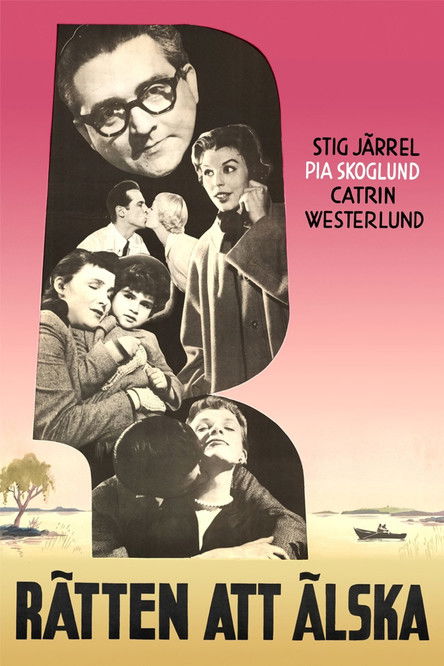
The Right to Love
1956
No user ratings available yet
Representation score: 4.6 out of 10
Representation Score
Fair
1965
Director
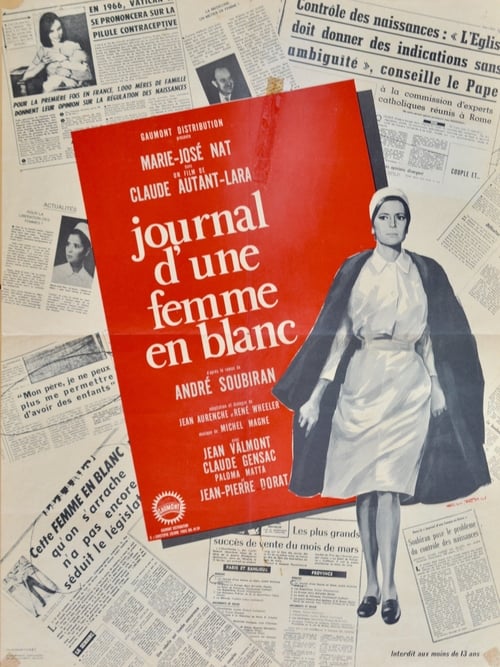
Claude Autant-Lara
Runtime
105 minutes
Average Rating
No ratings yetNew Showbiz Analysis
Claude Autant-Lara’s film serves as a critique of the Victorian social contract. It deconstructs identity as a performance dictated by class and gendered expectations, using a central mystery to symbolize the erasure of women's ability to drive the story. The film's strength lies in its challenge of traditional gendered power dynamics and its critique of class-based institutional corruption. However, the production remains limited by the demographic constraints of its historical setting, resulting in a lack of racial diversity and meaningful ability to act for characters defined by psychological or neurodivergent traits.
Category Breakdown
The film focuses on heterosexual relationships and the legalities of marriage. There are no representations of LGBTQ+ identities or critiques suggesting queer-coded characters.
The story emphasizes the experiences of women, showing how their identities are overshadowed by male-dominated institutions. It challenges the era's standard of female passivity.
The cast is mostly white and European, reflecting the historical Victorian setting. The film does not use diverse casting to challenge the homogeneity of the time period.
The story critiques traditional Western institutions and the rigid class structures of the 19th century. It portrays the aristocracy as a source of systemic instability and deception.
Psychological states and madness are explored, but they serve mainly as plot devices for the mystery. These elements do not give true ability to act to neurodivergent characters.
Present on Screen
Limited or Absent
Official Synopsis
Claude Sauvage, a tenacious young gynecologist takes a months long internship in a Paris hospital. Between her private life and medical career, she set her doubts and desires in a society where the square and the plight of women remain at that time a secondary issue. The film follows Claude and the staff through the case of some patients while the crucial debate on women's professional ambition, contraception and abortion rights.
1956
1977
1957
1965

2021

2022
1955
2004
No reviews yet. Be the first to share your thoughts on this movie!
Use the rating form above to leave a star rating and optional review.