I Am Woman
2020
No user ratings available yet
Representation score: 5.6 out of 10
Representation Score
Good
1977
Not RatedDirector
Agnès Varda
Runtime
122 minutes
Average Rating
No ratings yetNew Showbiz Analysis
Agnès Varda’s work is a landmark in feminist cinema, successfully challenging traditional gender roles by centering female subjectivity. The film excels in its portrayal of gender, presenting women as autonomous agents navigating reproductive rights and professional identities. While the film is culturally sophisticated in its critique of social norms, it lacks racial and ethnic diversity, reflecting a narrow socio-political focus on 1970s France. This limitation prevents a higher overall score despite the film's progressive thematic depth. Ultimately, the film serves as a powerful exploration of identity and liberation, prioritizing lived experience over institutional doctrine.
Category Breakdown
The film examines female sexuality and intimacy through a lens of personal freedom. It avoids clichéd stereotypes and focuses on the autonomy of desire and self-discovery.
Agnès Varda centers the narrative on women's autonomy and bodily control. Characters are defined by their intelligence and social contributions rather than their relationships to men.
The story focuses on the socioeconomic dynamics of 1970s France. It lacks a multi-ethnic cast, prioritizing the era's specific class and social trajectories.
The film engages with moral relativism by presenting diverse life choices without a traditional moral compass. It critiques social institutions through the lens of individual experience.
There is no significant evidence regarding the portrayal of physical or neurodivergent disabilities in the narrative.
Present on Screen
Limited or Absent
Official Synopsis
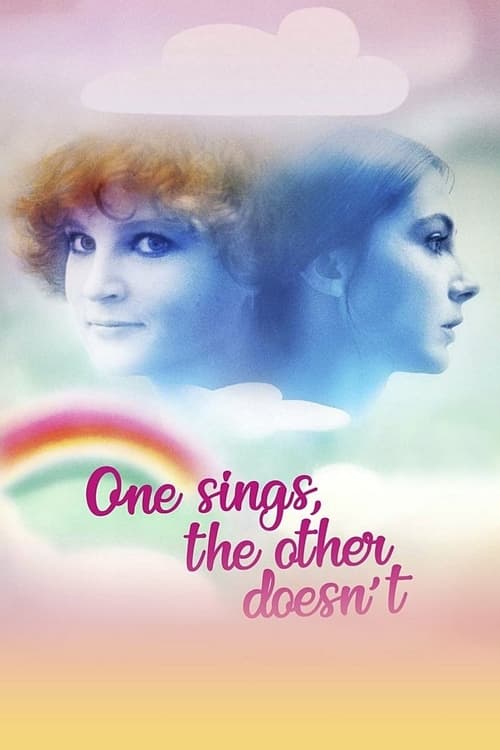
The intertwined lives of two women in 1970s France, set against the progress of the women's movement in which Agnes Varda was involved. Pomme and Suzanne meet when Pomme helps Suzanne obtain an abortion after a third pregnancy which she cannot afford. They lose contact but meet again ten years later. Pomme has become an unconventional singer, Suzanne a serious community worker - despite the contrast they remain friends and share in the various dramas of each others' lives, in the process affirming their different female identities.
2020
1956
2023
1974
1974

1985
1994
1977
No reviews yet. Be the first to share your thoughts on this movie!
Use the rating form above to leave a star rating and optional review.