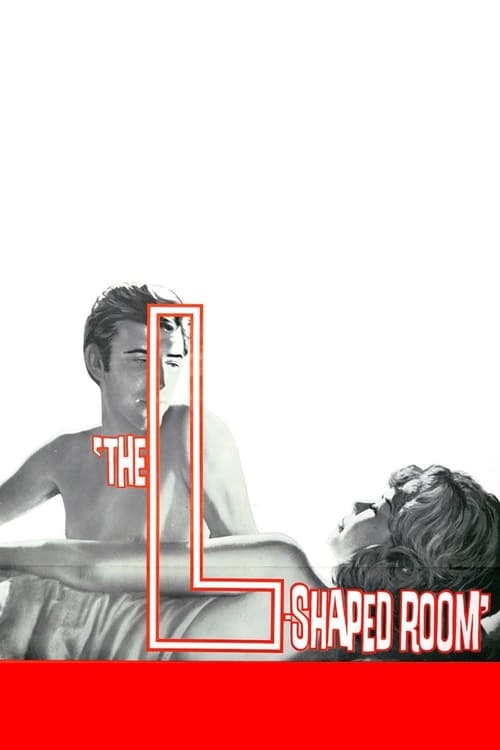
The L-Shaped Room
1962
No user ratings available yet
Representation score: 5.9 out of 10

Representation Score
Good
1961
ApprovedDirector
Tony Richardson
Runtime
100 minutes
Average Rating
No ratings yetNew Showbiz Analysis
Tony Richardson's work stands as a cornerstone of British New Wave realism, deliberately disrupting polished, upper-class narratives. The film shines by focusing on working-class experiences and dismantling domestic archetypes prevalent in mid-century cinema. The film's strength lies in its refusal to offer simple moral solutions. By depicting the family unit as unstable rather than a sanctuary, it challenges the sanctity of traditional social hierarchies. While the film handles queer companionship and gender subversion effectively, it remains constrained by its predominantly white cast and limited exploration of racial elements.
Category Breakdown
Geoffrey provides emotional stability rather than serving as a comedic device. His identity is handled with care, offering a nuanced depiction of queer companionship without framing it as a moral issue.
Helen's narcissism subverts traditional maternal roles, while Jo's journey challenges conventional gender expectations by navigating a world without typical female support systems.
Jo's relationship with a Black American GI introduces racial blending. Although the GI's role is minor, his presence disrupts the uniform social fabric.
The story questions traditional family structures and Western morals. It highlights transactional realities of working-class life over prescribed religious values.
There are no prominent portrayals of visible or invisible disabilities that significantly influence the narrative or serve as central character arcs.
Present on Screen
Limited or Absent
Official Synopsis
While out to avoid spending time with her narcissistic and promiscuous mother, sixteen-year-old Jo has a brief affair that leaves her pregnant and abandoned. When her mother remarries, Jo's only support becomes her friend Geoffrey, a homosexual.
1962
1989
1969
1961
1967
1962

2006
1965
No reviews yet. Be the first to share your thoughts on this movie!
Use the rating form above to leave a star rating and optional review.