
Deaf to the City
1987
No user ratings available yet
Representation score: 6.7 out of 10
Representation Score
Good
1989
RDirector
Uli Edel
Runtime
103 minutes
Average Rating
No ratings yetNew Showbiz Analysis
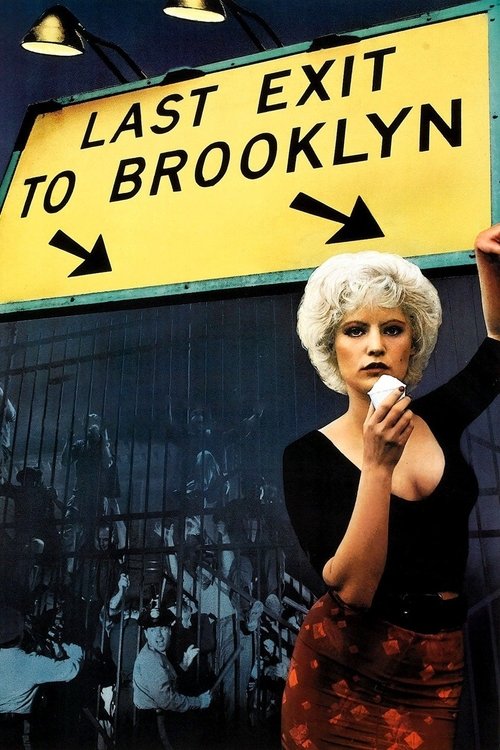
Last Exit to Brooklyn is a gritty study of multi-layered struggle that prioritizes the empowerment of underrepresented voices. It succeeds by deconstructing traditional social structures and providing nuanced, non-straight and non-cisgender character arcs that go beyond mere subplots. However, the film struggles with gender representation, as it documents rather than challenges the destructive impact of patriarchal violence. The focus on male-dominated hierarchies and the objectification of women results in a significant imbalance. Ultimately, the film's strength lies in its refusal to offer systemic comfort. It provides a realistic, albeit harsh, look at how various identities navigate a collapsing social framework in mid-century Brooklyn.
Category Breakdown
The film integrates LGBTQ identity into the core narrative through a union strike leader's discovery of his sexuality. This arc provides real power to characters navigating non-traditional gender and sexual identities within a restrictive 1950s landscape.
The story depicts a landscape dominated by violent patriarchal hierarchies. Women are frequently portrayed in positions of vulnerability or objectification, reflecting the systemic mistreatment of women in the era.
An ethnically mixed cast accurately reflects the socioeconomic reality of the Brooklyn waterfront. The narrative uses racial tension to explore how identity intersects with poverty and urban decay.
The film critiques traditional Western institutions like the family and capitalism as oppressive. It deconstructs the idealized American Dream by showing how systemic neglect breaks down social structures.
Representation is limited, as the film lacks characters with specific physical or neurodivergent disabilities. Suffering is primarily framed through the lens of social and mental trauma.
Present on Screen
Limited or Absent
Official Synopsis
A gallery of characters in Brooklyn in the 1950s are crushed by their surroundings and selves: a union strike leader discovers he is gay; a prostitute falls in love with one of her clients; a family cannot cope with the fact that their daughter is illegitimately pregnant.
1987
1961

1997

1961

1968

1956

1972

1945
No reviews yet. Be the first to share your thoughts on this movie!
Use the rating form above to leave a star rating and optional review.