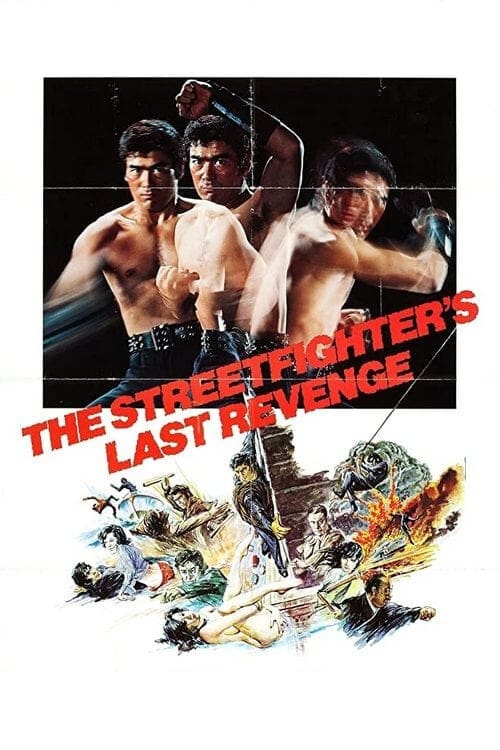
The Street Fighter's Last Revenge
1974
No user ratings available yet
Representation score: 2.5 out of 10

Representation Score
Fair
1973
Director
Teruo Ishii
Runtime
86 minutes
Average Rating
No ratings yetNew Showbiz Analysis
Teruo Ishii’s direction uses a transgressive framework to explore survival within a corrupt underworld. The film centers women's ability to drive the story, transforming a victimized protagonist into a formidable fighter who disrupts patriarchal structures. However, the narrative's complexity is limited by its reliance on clichés of victimization, particularly regarding ethnic minorities. While the inclusion of Chinese characters adds depth, they are primarily depicted through their exploitation by criminal syndicates. Ultimately, the film is a study of individual rebellion against dehumanizing systems, prioritizing survival and combat over traditional social or moral hierarchies.
Category Breakdown
The film does not explicitly confirm any LGBTQ+ characters or non-straight identities. The story focuses on the protagonist's fight against a patriarchal criminal organization.
The film challenges traditional gender roles by showing the protagonist's transformation from a victim to an active combatant. She gains dominance over both male and female criminals, defying submissive stereotypes.
The story includes Chinese women exploited by a drug cartel, adding international complexity. However, their representation is primarily through the lens of systemic victimization.
The film rejects traditional morality by portraying organized crime as inherently predatory. It presents a world defined by moral relativism and a critique of centralized power.
While the plot involves torture, there is no indication of permanent disability or neurodivergence being a central character trait or driver of action.
Present on Screen
Limited or Absent
Official Synopsis
Ocho is accidentally captured by a drug trafficking cartel who use Chinese women to smuggle drugs into Japan by hiding it in their vaginas. She is tortured, and manages to escape, fighting both the male yakuzas and a gang of female thieves.
1974
1972
1993
1972
1974
1976
1977
1996
No reviews yet. Be the first to share your thoughts on this movie!
Use the rating form above to leave a star rating and optional review.