Tapping a Furnace
1904
No user ratings available yet
Representation score: 0.9 out of 10
Representation Score
Minimal
1904
Director
Billy Bitzer
Runtime
4 minutes
Average Rating
No ratings yetNew Showbiz Analysis
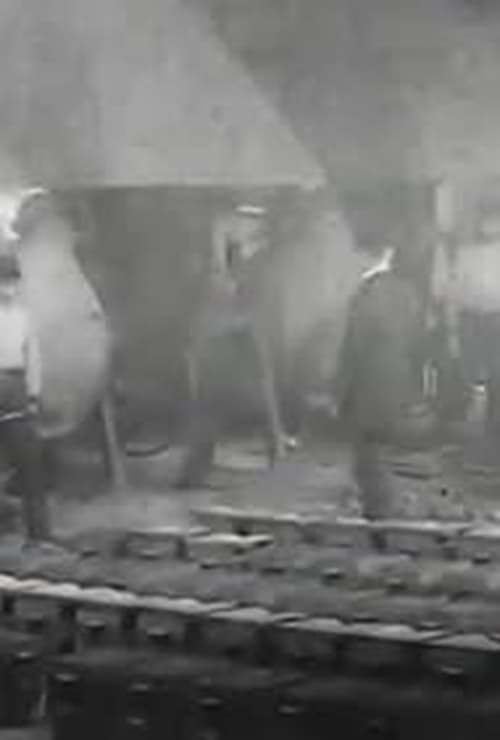
Steam Hammer serves as a technical artifact of early cinema, prioritizing the documentation of mechanical function over human identity. The film captures the repetitive, rhythmic process of forging metal, focusing on the utility of the steam hammer and the coordination of the men operating it. Because the work is a straightforward industrial documentary, it lacks the narrative complexity required for meaningful representation. It reflects the rigid social and industrial hierarchies of 1904, presenting a workspace that is homogeneous and strictly defined by the era's demographic norms. Ultimately, the film functions as a celebration of technological progress and Western industrialism. It offers no engagement with diverse identities, instead providing a narrow view of manual labor and mechanical utility.
Category Breakdown
The film is a brief industrial documentary focused on heavy machinery. It contains no depictions of gender identity, sexual orientation, or interpersonal relationships.
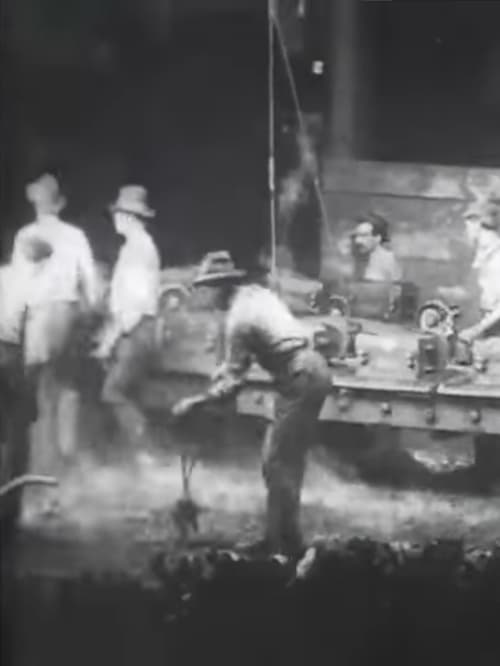
The visible labor force consists entirely of men performing heavy industrial tasks. This reinforces early 20th-century hierarchies by presenting an exclusively masculine workspace.
The laborers appear to be a homogeneous group. There is no evidence of a multi-ethnic cast or the intentional blending of racial identities.
The film celebrates industrial capitalism and mechanical progress. It portrays traditional Western industrialism as a site of productivity and order without social deconstruction.
The focus remains on the rhythmic motion of the steam hammer and worker coordination. No characters are portrayed with visible or invisible disabilities.
Present on Screen
Limited or Absent
Official Synopsis
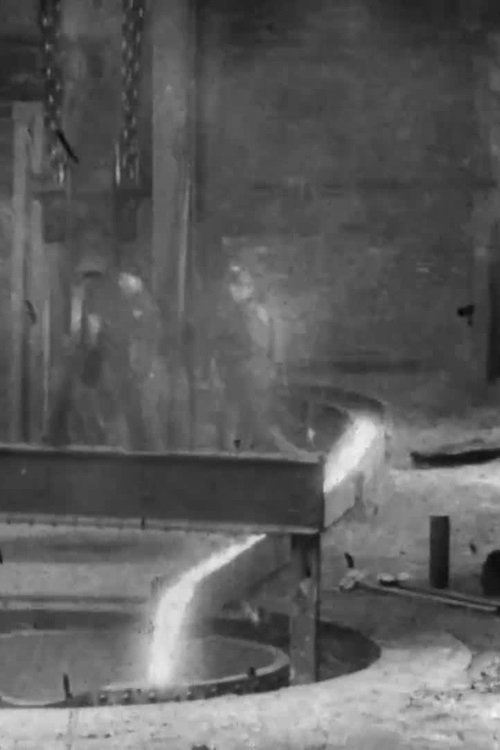
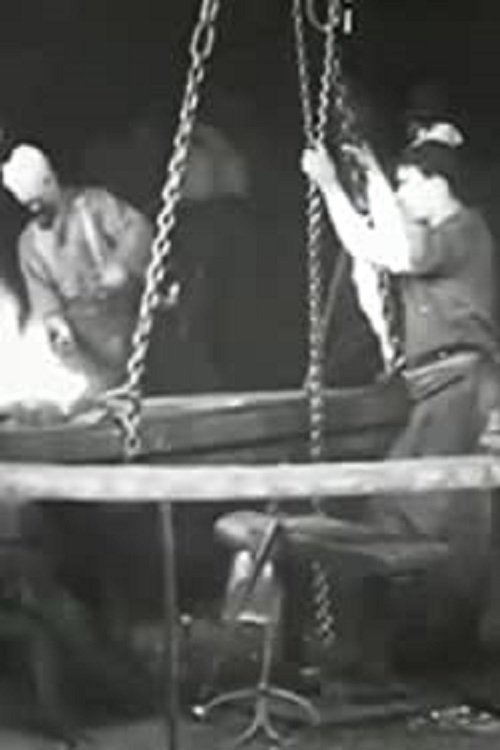
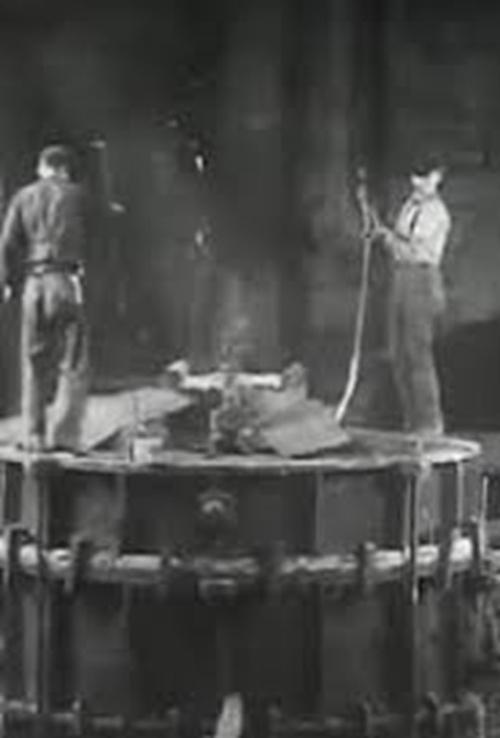
From what appears to be a furnace, a large, glowing block is lifted with the help of a crane over to a table by a group of men. A hammer comes from above and pounds down on the block repeatedly as the men turn the block several times so that it will acquire a certain shape.
1904
1904
1904
1904
1904
1904
1904
1904
No reviews yet. Be the first to share your thoughts on this movie!
Use the rating form above to leave a star rating and optional review.