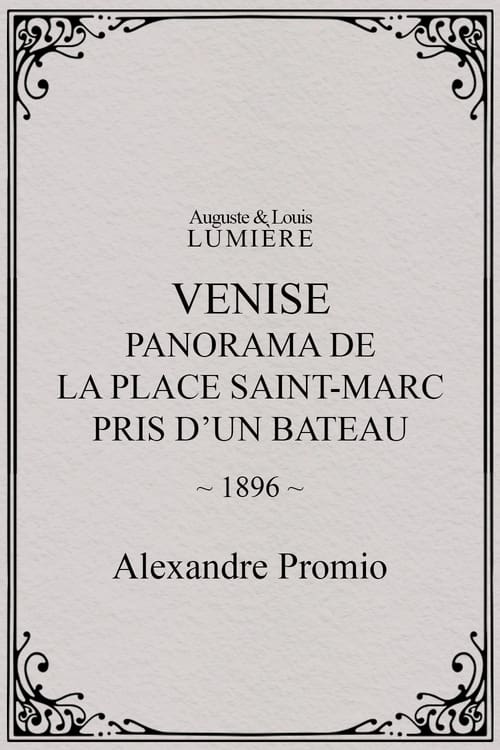
Panorama of St. Mark's Square Taken From a Boat
1896
No user ratings available yet
Representation score: 0.6 out of 10
Representation Score
Minimal
1896
Director
Alexandre Promio
Runtime
1 minutes
Average Rating
No ratings yetNew Showbiz Analysis
As an early 'actuality' film from 1896, this movie serves as a technical achievement rather than a narrative story. It captures the movement of Venice's Grand Canal with a pioneering moving-camera technique but does not provide social commentary due to its non-narrative format. The low diversity scores stem from the film's nature as a historical document. Without character development, dialogue, or intentional storytelling, it cannot address social or cultural complexities. In essence, the film offers a neutral visual account of a specific time and place. It records the busy waterfront and iconic architecture without engaging with complex social issues.
Category Breakdown
The film focuses on the maritime environment without showing any romantic relationships or interpersonal dynamics.
Characters are shown as nameless workers or travelers. Traditional roles of gondoliers are depicted without exploring gender power structures.
The footage shows a uniform European setting from the late 19th century. It captures the demographics of the time without mixing races.
This work is a straightforward recording of a Western cityscape. It documents buildings without critiquing cultural or religious institutions.
The film concentrates on the movement of boats and canals. No disabilities, visible or otherwise, are shown in the footage.
Present on Screen
Limited or Absent
Official Synopsis
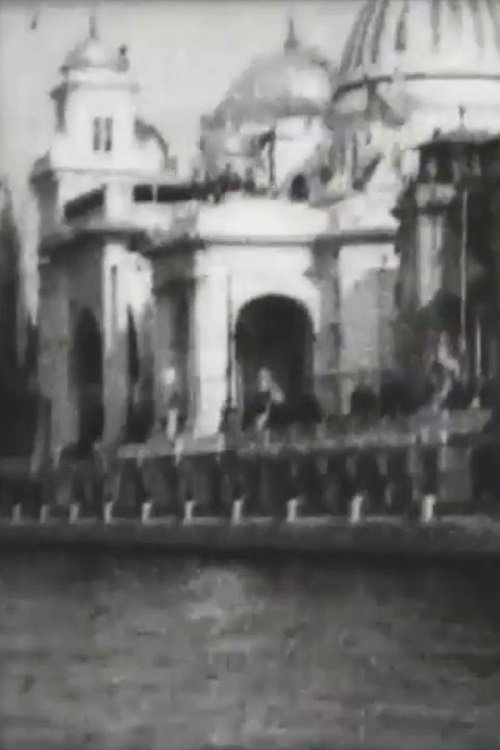
Filmed in 1896 by Alexandre Promio for the Lumière company, this short actuality presents one of the earliest traveling shots in cinema. With the camera mounted on a gondola, the film glides along Venice’s Grand Canal, capturing passing gondolas, bustling waterfront activity, and the city’s iconic architecture from a moving perspective. This simple yet groundbreaking technique introduced audiences to a new way of experiencing motion on screen.
1896
1900
1897

1897

1900
1896
1897
1900
No reviews yet. Be the first to share your thoughts on this movie!
Use the rating form above to leave a star rating and optional review.