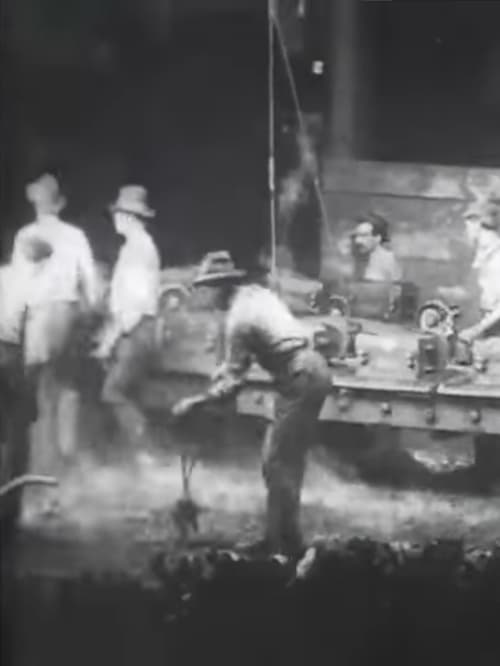
Westinghouse Air Brake Co. (Casting Scene)
1904
No user ratings available yet
Representation score: 0.3 out of 10
Representation Score
Minimal
1904
Director
Billy Bitzer
Runtime
4 minutes
Average Rating
No ratings yetNew Showbiz Analysis
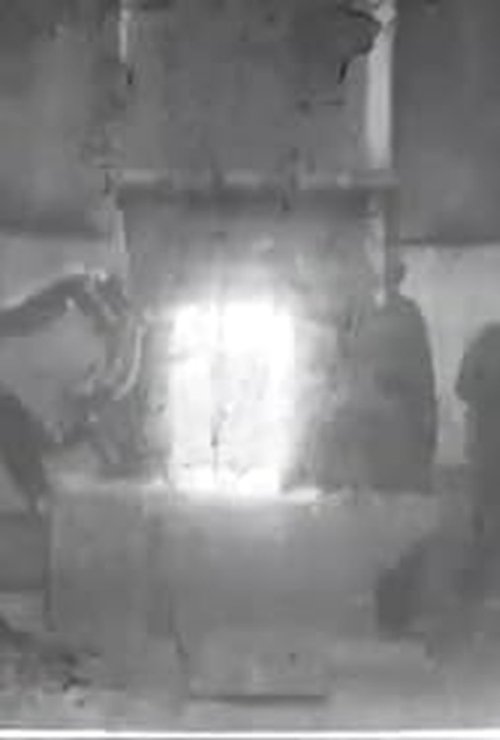
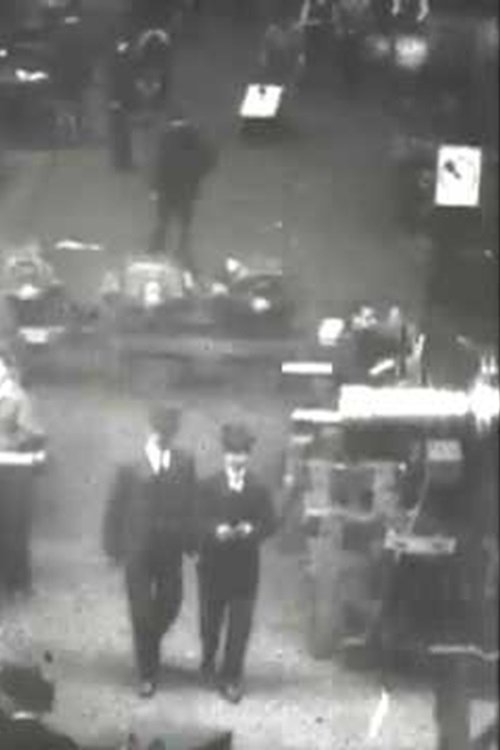
This 1904 industrial documentary offers a straightforward look at manual labor and production efficiency. It captures the process of pouring molten material into molds by teams of workers. Because the film serves as a practical observation of early 20th-century industry, it sticks closely to the social structures of its time. The subjects reflect the typical demographics and labor divisions of the era, without challenging traditional hierarchies. Ultimately, the film lacks intentional narrative complexity around identity and remains a purely observational historical document focused on industrial processes.
Category Breakdown
The film focuses on manual labor and does not include any LGBTQ+ characters or stories about non-straight or non-cisgender identities.
The workforce is made up entirely of men involved in heavy industrial labor. This reflects the strict gender roles and masculine norms of the early 20th century.
The film shows a uniform group of workers with no indication of racial diversity or characters of color who play significant roles.
The footage captures early industrial capitalism within a Western context. It focuses on production methods without engaging with various cultural or religious themes.
There is no visible evidence of characters with physical or neurodivergent disabilities. Disability is not used as a narrative element in this film.
Present on Screen
Limited or Absent
Official Synopsis
Men working in teams carry buckets of molten material and pour the material into what appear to be molds lined up on the ground.
1904
1904
1904
1904
1904
1904
1904
1904
No reviews yet. Be the first to share your thoughts on this movie!
Use the rating form above to leave a star rating and optional review.