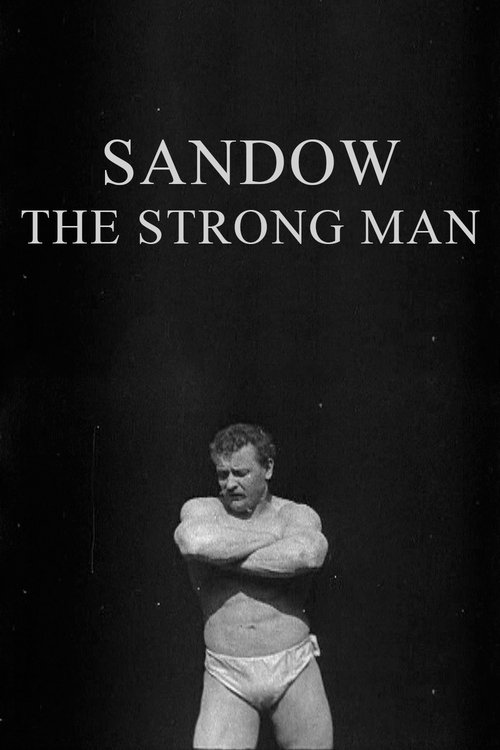
Sandow: The Strong Man
1894
No user ratings available yet
Representation score: 0.2 out of 10

Representation Score
Minimal
1896
Not RatedDirector
William K.L. Dickson
Runtime
1 minutes
Average Rating
No ratings yetNew Showbiz Analysis
Produced at the dawn of cinema, Sandow serves as a technical observation of physical achievement rather than a narrative work. Its singular focus on a single male subject limits its capacity for diverse representation. Because the medium was primarily used for ethnographic and physical demonstrations in 1896, the content adheres to the homogeneous casting and traditional archetypes of the late 19th century. It lacks the structural complexity needed for storytelling that reflects multiple aspects of identity.
Category Breakdown
The film does not include any LGBTQ+ characters or explore gendered intimacy. It focuses solely on physical demonstration.
The film centers on the male physique and reinforces traditional masculine ideals, aligning with the strong-man archetype popular in the Victorian era.
The film features only one subject, Eugene Sandow, and does not blend different racial identities or include a diverse cast.
The work showcases physical prowess rooted in Western physical culture. It does not address complex social or institutional themes.
The film does not feature any characters with visible or invisible disabilities. It presents the subject through a lens of physical perfection.
Present on Screen
Limited or Absent
Official Synopsis
Strong-man Eugene Sandow flexes his muscles and strikes a few poses in front of a black background. This was a short film shot by William K.L. Dickson for the American Mutoscope Company and is not the 1894 Edison film shot at the Black Maria.
1894
1977

1894
1894

1898
1891
1894
1925
No reviews yet. Be the first to share your thoughts on this movie!
Use the rating form above to leave a star rating and optional review.