Casting a Guide Box
1904
No user ratings available yet
Representation score: 0.6 out of 10
Representation Score
Minimal
1904
Director
Billy Bitzer
Runtime
5 minutes
Average Rating
No ratings yetNew Showbiz Analysis
Tapping a Furnace serves as a historical record of industrial processes rather than a narrative work. Since it documents mechanical tasks, it lacks the character depth needed for diverse representation. The film reflects the social structures of 1904, presenting a workforce that is homogeneous and strictly gender-segregated. It prioritizes the mastery of fire and metal over any social or storytelling that reflects multiple aspects of identity. Ultimately, the lack of diverse identities is a result of its narrow focus on heavy machinery and the era's standard labor demographics.
Category Breakdown
The film focuses entirely on industrial machinery and manual labor. There are no LGBTQ+ characters or explorations of gender identity present.
The film depicts a workforce composed solely of male workers, reinforcing a strict gender-segregated view of heavy industry typical of the early 20th century.
The workforce appears uniform, reflecting the demographic constraints of the era. There is no visible evidence of racial diversity or varied casting.
The film highlights mechanical efficiency and industrial progress. It does not include any critique of Western institutions or complex cultural narratives.
The footage centers on the functionality of machines and physical labor. No individuals with visible or invisible disabilities are shown.
Present on Screen
Limited or Absent
Official Synopsis
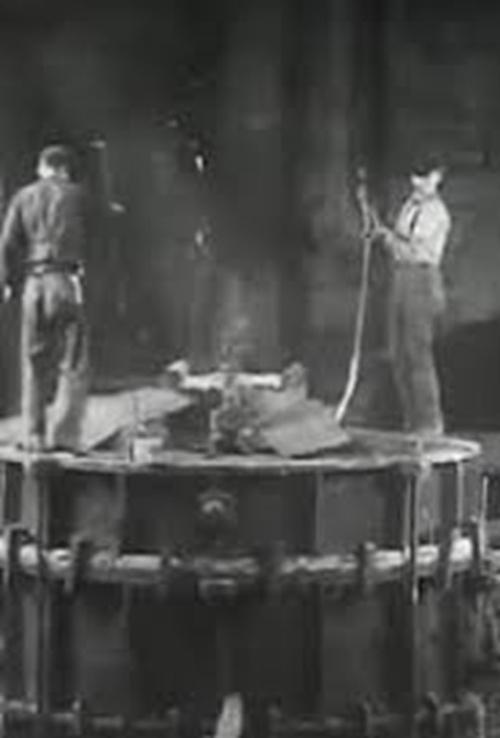
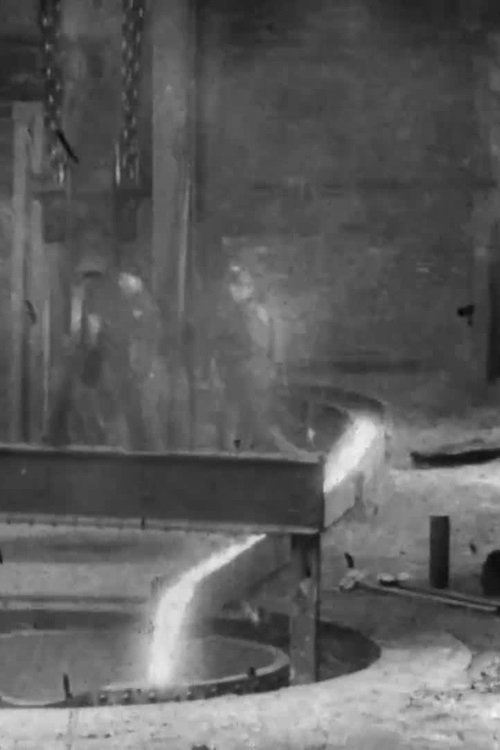
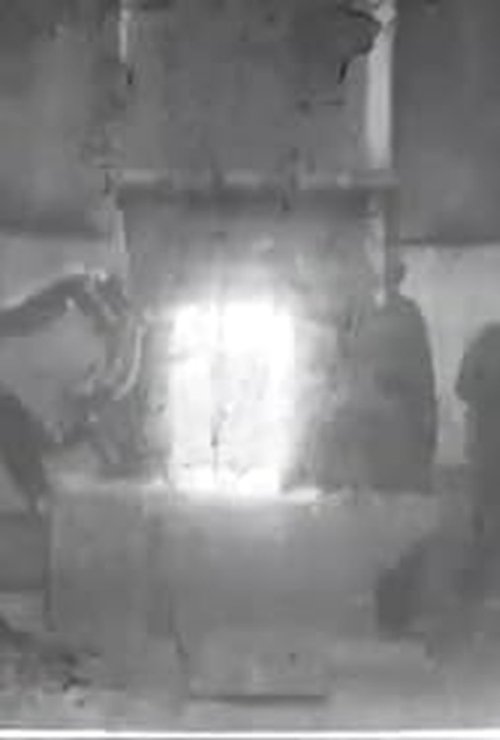
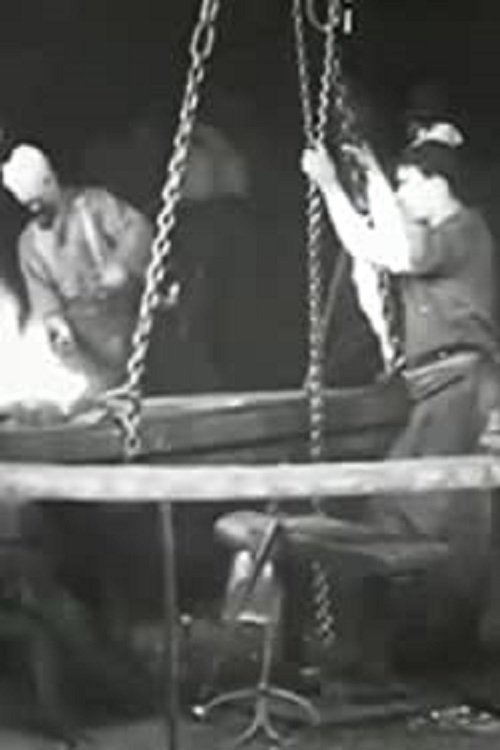
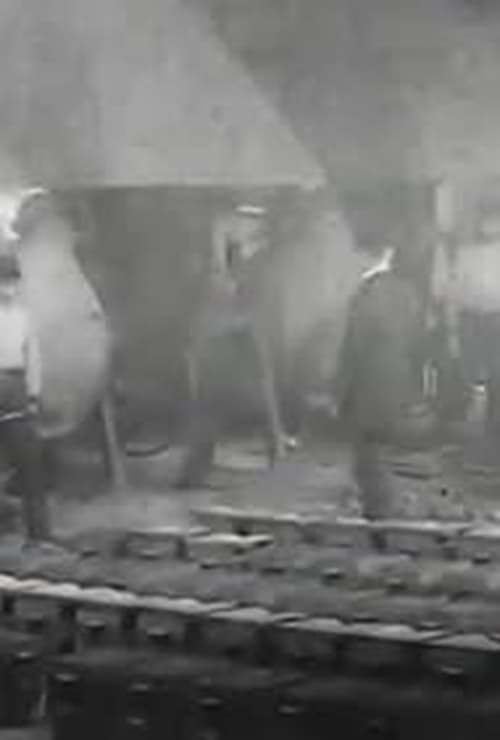
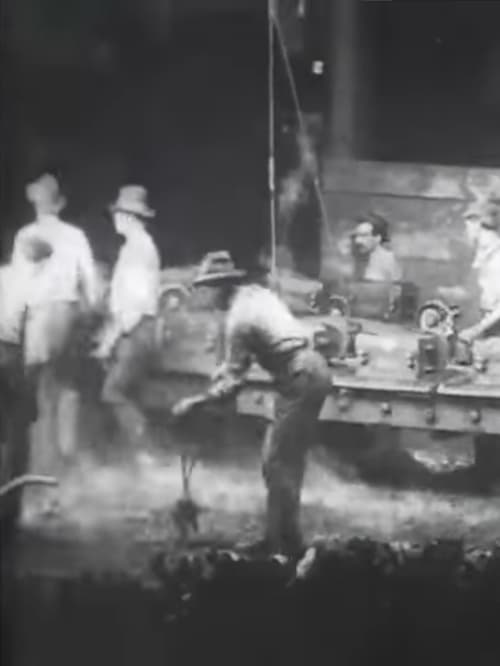
A large bucket is lowered into a pit by male workers using machinery. Molten material from a furnace is poured into the bucket using a slide. The bucket, which has flames coming from inside, is lifted up from the pit by a crane.
1904
1904
1904
1904
1904
1904
1904
1904
No reviews yet. Be the first to share your thoughts on this movie!
Use the rating form above to leave a star rating and optional review.