Steam Hammer
1904
No user ratings available yet
Representation score: 0.6 out of 10
Representation Score
Minimal
1904
Director
Billy Bitzer
Runtime
6 minutes
Average Rating
No ratings yetNew Showbiz Analysis
This 1904 documentary serves as a functional record of heavy manufacturing rather than a narrative work. It captures the mechanical process of metalworking and the physical labor required to shape a large industrial component. Since the film is an industrial artifact, it lacks the character development or narrative complexity needed to explore social themes. It adheres strictly to the social and gendered structures of the early 20th century. The content is purely observational, focusing on the dignity of work and technological advancement within a traditional Western industrial context.
Category Breakdown
The film focuses solely on male workers involved in industrial welding. There are no depictions of LGBTQ+ identities or narratives challenging heteronormativity.
The narrative portrays a traditional, homogeneous masculine workplace. All labor is performed by men, without any depiction of women or challenges to gender hierarchies.
The film depicts a group of men performing manual labor but does not provide specific details about their racial or ethnic backgrounds. It reflects the demographic homogeneity typical of the time.
The film celebrates industrial progress and manual labor. It does not address religious or anti-establishment themes, focusing instead on the mechanical process.
There are no characters with visible or invisible disabilities shown. The focus remains entirely on the physical demands of heavy industrial labor.
Present on Screen
Limited or Absent
Official Synopsis
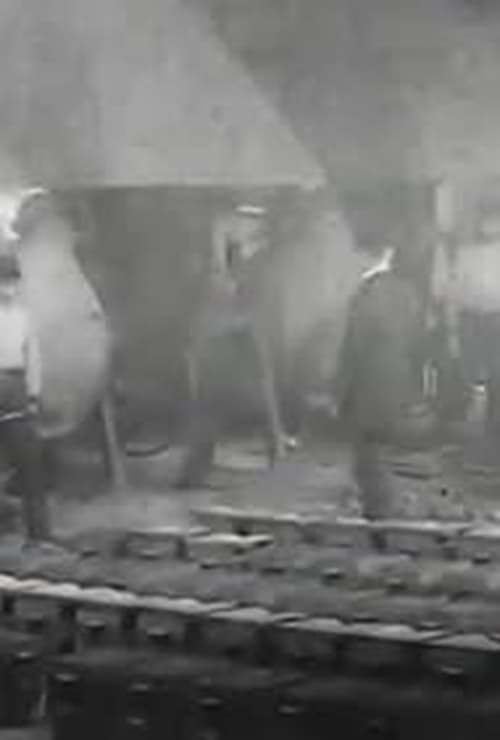
A group of men weld one area of a large ring in a fire. They lift the ring, which is hanging horizontally on chains, out of the fire. Four men hammer the hot area on the ring into shape while the remaining men hold the ring. They put the ring into the fire again, take it out, and take it over to a machine which continuously hammers down on that area of the ring. The men then take it away from the machine and hammer it themselves into shape. The ring is presumably a piece of a generator.
1904
1904
1904
1904
1904
1904
1904
1904
No reviews yet. Be the first to share your thoughts on this movie!
Use the rating form above to leave a star rating and optional review.