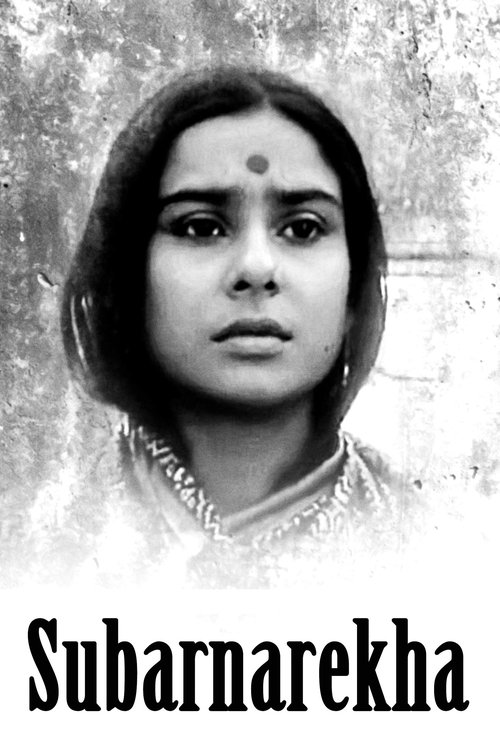
The Golden Thread
1965
No user ratings available yet
Representation score: 6.5 out of 10

Representation Score
Fair
1977
Director
Ritwik Ghatak
Runtime
112 minutes
Average Rating
No ratings yetNew Showbiz Analysis
Ritwik Ghatak’s film is a powerful examination of the post-colonial condition, focusing on the socio-economic fractures in post-partition Calcutta. It avoids escapist clichés, opting instead for a social realism that deconstructs the failure of the nation-state. The film excels in its cultural and ethnic specificity, providing deep ability to act to the Bengali migrant experience. It challenges institutional authority and capitalist hierarchies, framing the struggles of the urban poor as a systemic consequence rather than individual failure. While the film offers a profound social critique, it lacks representation for LGBTQ+ identities and does not address disabilities. The focus remains strictly on the class and ethnic struggles of the displaced population.
Category Breakdown
The film does not explicitly depict queer identities or provide subtext related to non-straight relationships. Character arcs focus on the romantic aspirations and survival of the displaced working class.
Women are positioned at the intersection of domestic life and political upheaval. The narrative explores how female characters navigate shifting moral landscapes and economic pressures within a fractured society.
The film offers an authentic exploration of Bengali identity and the ethnic trauma of Partition. It centers the migrant experience through specific linguistic and cultural nuances.
The narrative provides a sophisticated critique of Western-style capitalist structures and post-colonial governance. It portrays the breakdown of social order as a logical response to systemic failure.
There is no significant focus on visible or invisible disabilities. The film instead explores the systemic incapacity of the state to care for its citizens.
Present on Screen
Limited or Absent
Official Synopsis
The sole dream of Ramu, eldest son a family of migrants, and Uma to build a happy life together is burdened by a pile of obstacles on their way due to economic upheaval in post-partition Calcutta.
1965
1963

1973
1959

1960
1994
1973
1954
No reviews yet. Be the first to share your thoughts on this movie!
Use the rating form above to leave a star rating and optional review.